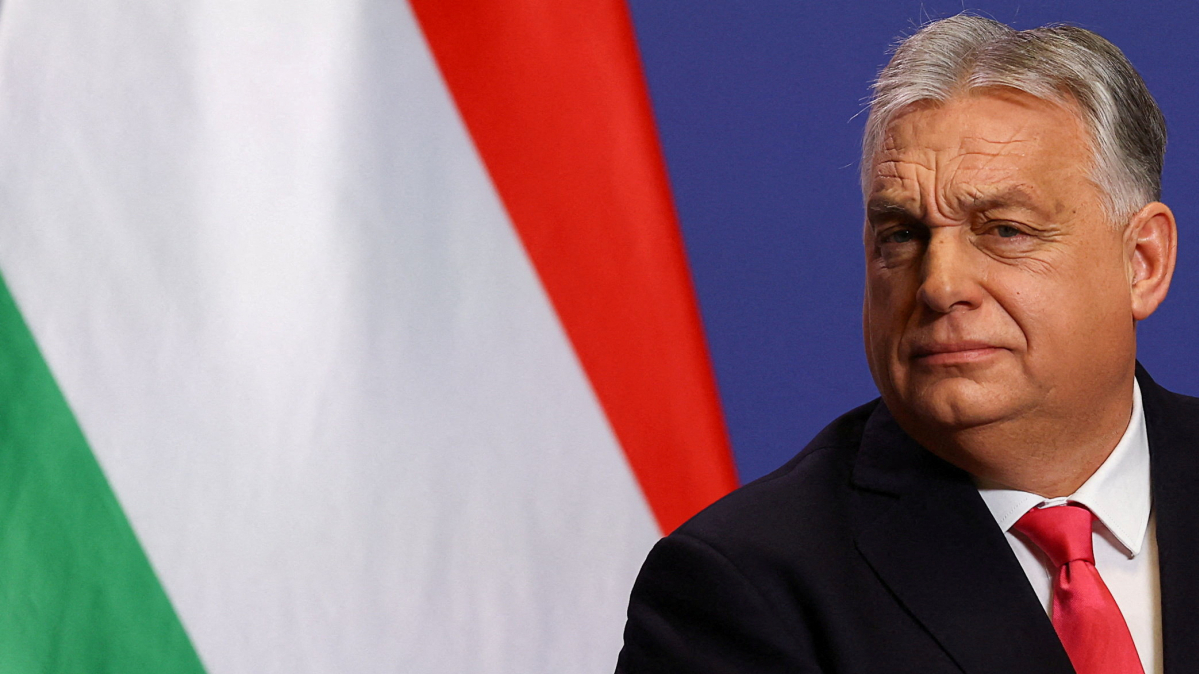
Hungarian Prime Minister Viktor Orbán has sharply criticised the EU-Mercosur trade agreement, warning it benefits traders at the expense of farmers and national sovereignty.
In a video posted on X on Monday (26 January), Orbán framed the issue as a global struggle between traders and agricultural producers, arguing that imports of cheap food from South America under the Mercosur agreement, as well as food imports from Ukraine — are not accidental.
“There is a struggle between traders and producers all over the world,” Orbán said, questioning whether the inflow of cheaper imports was designed to benefit consumers or commercial intermediaries.
He argued that the deal would force Hungary’s population to rely on imports rather than domestic production. “It is about making 10 million Hungarians consume imports. Who benefits from imports? Traders,” he said.
Orbán described what he called a “hidden war between traders and producers,” warning that failure to protect domestic agriculture would hand over consumer demand and financial power to importers.
He said the issue goes beyond economics, calling it a matter of national sovereignty. “That is why this is also a key issue of Hungarian sovereignty: preserving the Hungarian countryside, villages and Hungarian agriculture,” Orbán said.
Orbán’s comments come as Brussels pushes ahead with plans to advance the EU-Mercosur trade deal.
Last week, von der Leyen said the EU could act immediately once a single Mercosur country completes ratification, following a summit of EU leaders in Brussels. “There is a clear interest that we ensure that the benefits of this agreement apply as soon as possible,” she said.
At the same briefing, António Costa, head of the EU council of member governments, said the European Commission has the authority to proceed with provisional implementation of the agreement.
However, the European Parliament narrowly voted to refer the deal to the European Court of Justice for legal review, delaying ratification as lawmakers cannot vote on the pact until the court delivers its ruling, a process that could take months.
The agreement is a cornerstone of Brussels’ efforts to diversify trade ties away from long-standing dependence on the United States, particularly after strained relations during the second term of U.S. President Donald Trump.
It aims to eliminate more than 90% of tariffs on goods ranging from Argentine beef to German cars, creating one of the world’s largest free trade zones covering more than 700 million consumers.
While the deal enjoys broad support in South America, including Argentina, Brazil, Paraguay and Uruguay — opposition remains strong in parts of Europe.
France, the EU’s largest agricultural producer, has pushed for stronger protections for farmers, while German Chancellor Friedrich Merz has called delays to the deal “regrettable” and urged provisional application.












What is your opinion on this topic?
Leave the first comment