Kazakhstan has evacuated more than 7,300 citizens from the Middle East since regional tensions escalated, using both air and land routes to bring nationals home while closely monitoring political developments and potential economic effects linked to rising oil prices.
Kazakhstan’s Ministry of Foreign Affairs, working together with other state bodies, continues to coordinate the return of citizens from the Middle East conflict zone. Since the start of the evacuation operation, more than 7,300 Kazakh nationals have returned to the country with the assistance of both domestic and foreign airlines.
Evacuations via air and land routes
In addition to air transport, evacuations are also being carried out by land. Citizens have been leaving the region through border crossings in Azerbaijan, Armenia and Turkmenistan. Kazakhstan’s diplomatic missions in the region remain actively involved in coordinating the process on the ground, maintaining constant contact with citizens and assisting them with logistical arrangements as they travel home.
The evacuation efforts follow earlier recommendations issued by the Ministry of Foreign Affairs urging citizens to refrain from travelling to several countries in the Middle East. Authorities also announced that Kazakh tourists who travel to the region after 28 February will be excluded from the national tourism guarantee system, a measure intended to reduce risks as the regional security situation remains uncertain.
Tokayev welcomes Iranian statement on de-escalation
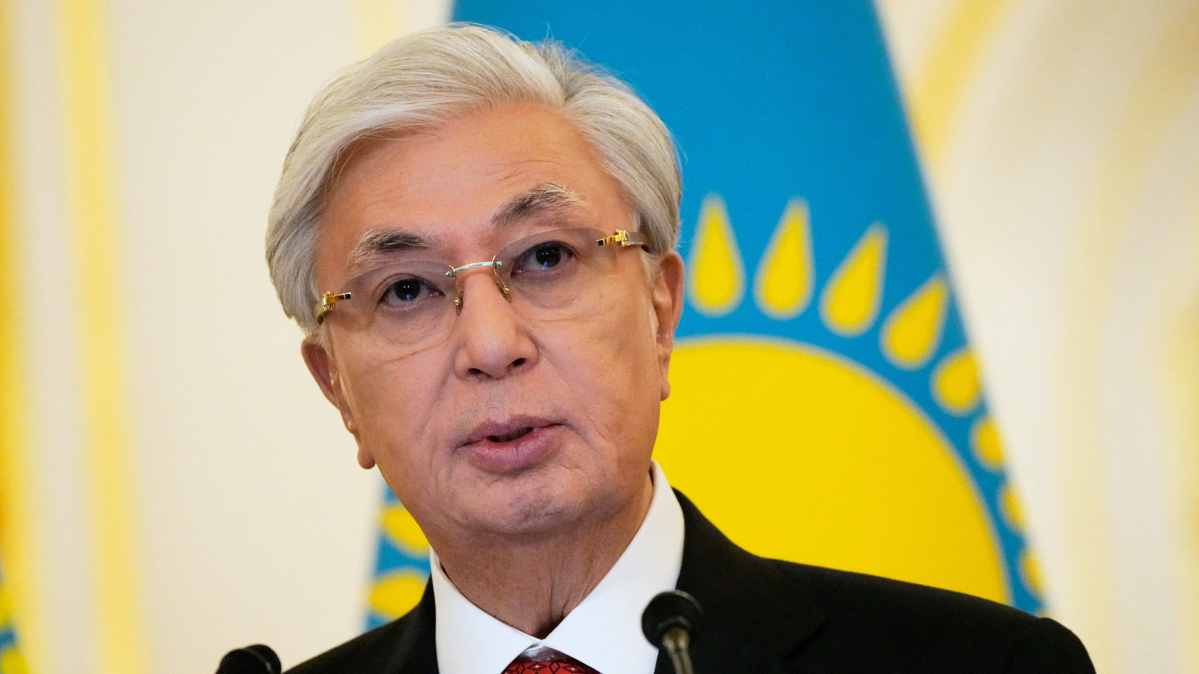
At the political level, Kazakhstan’s leadership has welcomed developments aimed at easing tensions. President Kassym-Jomart Tokayev welcomed a statement by Iranian President Masoud Pezeshkian announcing that the country’s interim governing council had decided to refrain from attacks against neighbouring states. The announcement was conveyed by presidential adviser and press secretary Aibek Smadiyarov.
According to the Kazakh presidency, Tokayev considers the decision an important step towards reducing tensions in the Middle East. Pezeshkian earlier stated that Tehran would refrain from attacks or missile strikes against neighbouring countries unless Iran itself came under attack. He also apologised to neighbouring states that had been affected by retaliatory strikes carried out by Iran.
Oil price volatility raises economic concerns
At the same time, the geopolitical situation has raised questions about potential economic consequences for Kazakhstan, particularly through its impact on global oil markets. Speaking at a briefing at the National Bank, Governor Timur Suleimenov noted that Kazakhstan’s economy remains closely dependent on energy revenues.
According to Suleimenov, more than half of Kazakhstan’s export earnings and over 30% of the revenues of both the state budget and the National Fund are generated by oil. As a result, fluctuations in global oil prices play a significant role in shaping the country’s economic performance..
Higher oil prices generally stimulate economic activity by increasing export revenues and boosting inflows into both the National Fund and the state budget. This also increases the supply of foreign currency on the domestic market, which tends to support the national currency, the tenge.
However, Suleimenov stressed that the overall economic impact will depend largely on how long the period of elevated oil prices lasts and how long the conflict continues. While military conflicts are inherently negative events, they can also produce indirect economic consequences.











What is your opinion on this topic?
Leave the first comment