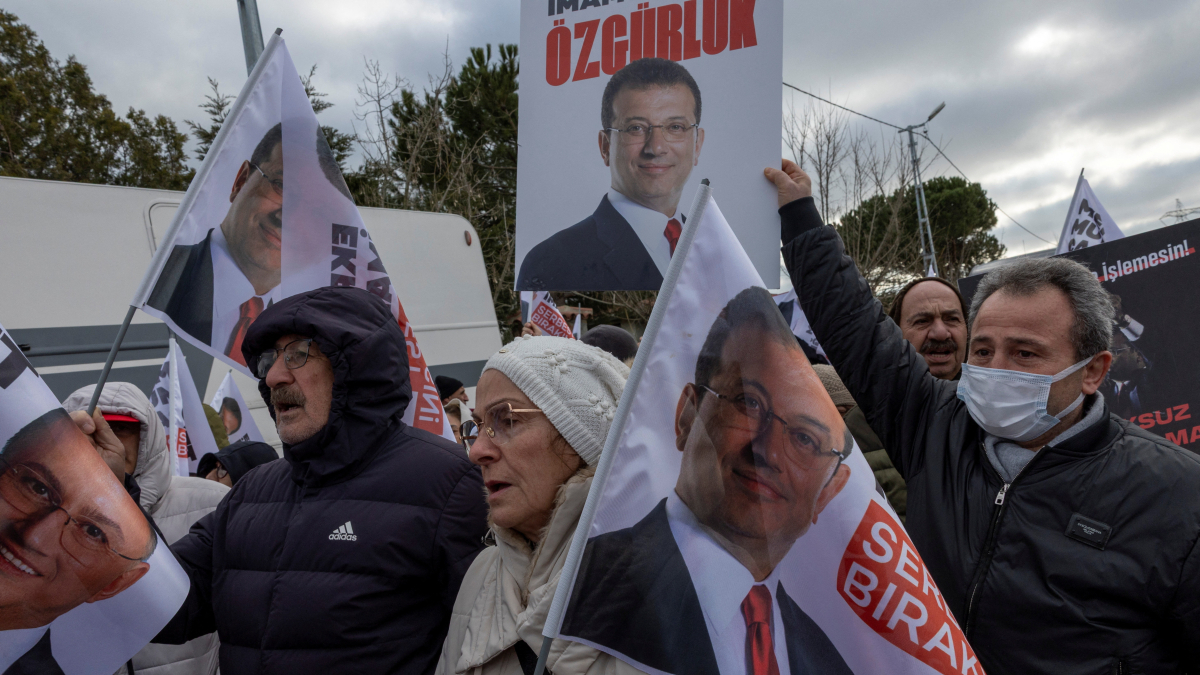
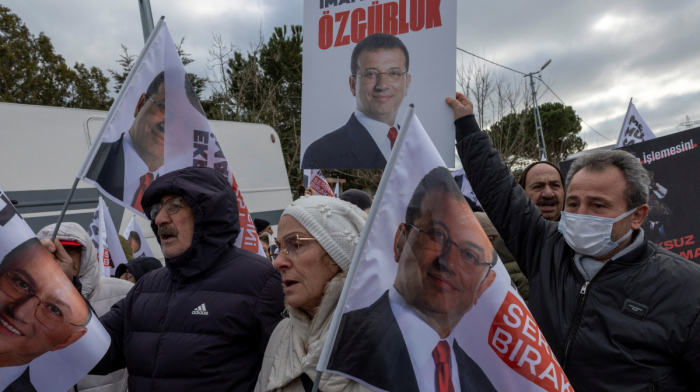
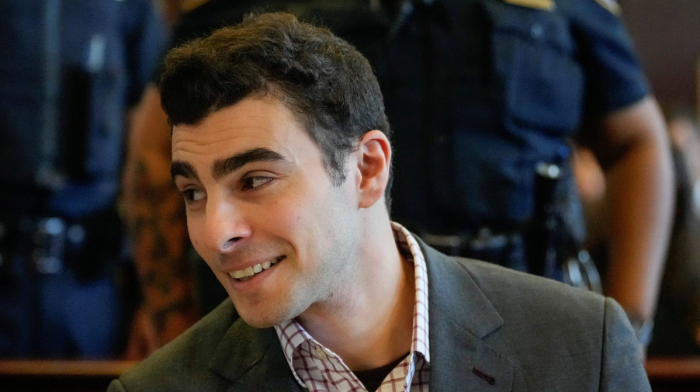
Istanbul’s mayor, Ekrem İmamoğlu, has appeared in court on Monday alongside 400 co-defendants in a sprawling corruption case that critics say is designed to derail his political ambitions. The charges allege a network of corruption and organised crime linked to the mayor’s office.
The case has drawn international attention, with observers warning it may be politically motivated and intended to prevent İmamoğlu from challenging President Recep Tayyip Erdoğan in next year’s presidential election.
İmamoğlu, 55, became Istanbul’s mayor in 2019 in a major upset against Erdoğan’s ruling party. He was arrested last year shortly after announcing his intention to run for president for the Republican People’s Party (CHP).
His rise has made him one of Erdoğan’s most prominent rivals. By occupying the same political office once held by the president, he has positioned himself as a formidable challenger on the national stage.
Following his announcement that he would contest the presidency, Istanbul University annulled İmamoğlu’s diploma - a requirement for running for the nation’s highest office - further complicating his candidacy.
Prosecutors have produced thousands of pages of indictments, alleging that İmamoğlu’s corrupt activities stretch back to 2014, before his tenure as mayor. A former Istanbul prosecutor claimed the alleged network of corruption resulted in losses to the state worth 160 billion lira (£2.85bn) over a decade.
Additional charges
If found guilty on all charges, the mayor could face a prison sentence exceeding 1,900 years. In recent months, additional indictments have included espionage allegations, accusing İmamoğlu of leaking voter data to foreign nations.
His arrest sparked nightly protests outside the municipality, with hundreds detained during demonstrations. The CHP responded by symbolically naming İmamoğlu as its presidential candidate, underscoring its commitment to his campaign despite his incarceration.
Human Rights Watch criticised the proceedings, describing them as the culmination of a 17-month campaign targeting the main opposition party. The organisation highlighted the use of secret witnesses and the widespread detention of opposition mayors as evidence of what it called an orchestrated effort to marginalise İmamoğlu and undermine democratic processes in Türkiye.
Since his arrest, İmamoğlu has been held in a high-security prison near Istanbul while facing mounting legal challenges that threaten both his freedom and his political future.
“We are nervous and anxious,” Dilek İmamoğlu told reporters before the hearing began. “We hope that he will be allowed to stand trial without detention. I last saw Ekrem last week and he was in very good spirits.”












What is your opinion on this topic?
Leave the first comment