Ruben Vardanyan has been sentenced to 20 years in prison by the Baku Military Court after being found guilty of a series of offences including war crimes, terrorism and crimes against humanity.
The verdict was delivered during an open hearing in the criminal case against Vardanyan, an Armenian citizen charged under articles of Azerbaijan’s Criminal Code relating to crimes against peace and humanity, war crimes, terrorism, financing of terrorism and other serious offences.
Speaking to AnewZ, Member of the Azerbaijani Parliament, Parvana Valiyeva said: “An open trial was organised, so the entire world and international human rights organisations could follow it.
"They were provided all necessary services with lawyers, and thousands of witnesses were heard during the process. Irrefutable evidence and facts were collected over more than 2.5 years.”
Vardanyan served as the so-called “state minister” of the separatist entity, which operated in territory internationally recognised as part of Azerbaijan.
Earlier, the Baku Military Court sentenced several Armenian separatist defendants to life imprisonment in cases relating to crimes committed during the Armenia–Azerbaijan conflict.
Those verdicts, delivered on 5 February, formed part of broader criminal proceedings involving charges of war crimes, terrorism, violations of the laws of war, forced displacement and the illegal seizure of power under Azerbaijan’s Criminal Code.
Ruben Vardanyan is an Armenian citizen and businessman who rose to prominence in Russia’s financial sector during the post-Soviet transition. Born in Yerevan in 1968, he moved to Moscow in the early 1990s and co-founded Troika Dialog with his wife, which became one of Russia’s largest private investment banks.
Troika Dialog played a key role in the development of Russia’s emerging stock market and acted as a bridge between Western investors and Russian companies. The bank was sold to Sberbank in 2012 for more than $1 billion.
In subsequent years, investigative reporting linked financial structures associated with Troika to large-scale offshore transactions, placing the institution under international scrutiny.
Vardanyan’s shift from finance to politics followed the 2020 war in the South Caucasus.
In September 2022, he renounced his Russian citizenship and relocated to the region. Two months later, he was appointed “State Minister” of the de facto authorities.
Azerbaijani officials described his presence as unlawful, arguing that by accepting a senior position within the separatist structure, he assumed political and administrative responsibility for its actions.
Prosecutors allege that during his tenure, illegal armed formations continued operating in the territory and that financial and logistical support mechanisms remained in place. Authorities contend that his position connects him to activities falling under terrorism-related and state security provisions of Azerbaijan’s Criminal Code.
Vardanyan has previously rejected the accusations, stating that his involvement was political and humanitarian in nature and denied participation in any armed or unlawful activity.
In September 2023, following Azerbaijan’s military operation that led to the dissolution of the separatist administration, Vardanyan was detained at the Lachin border checkpoint while attempting to leave the region.
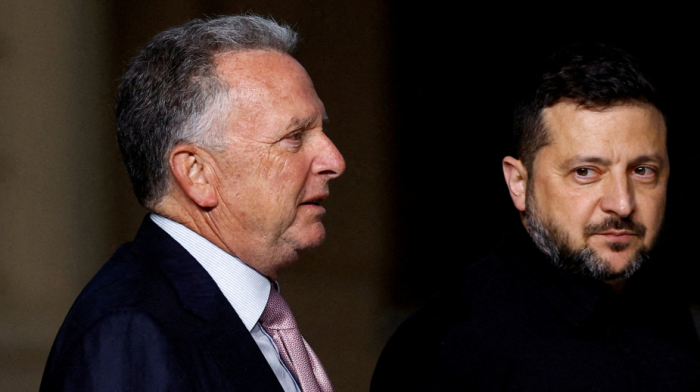
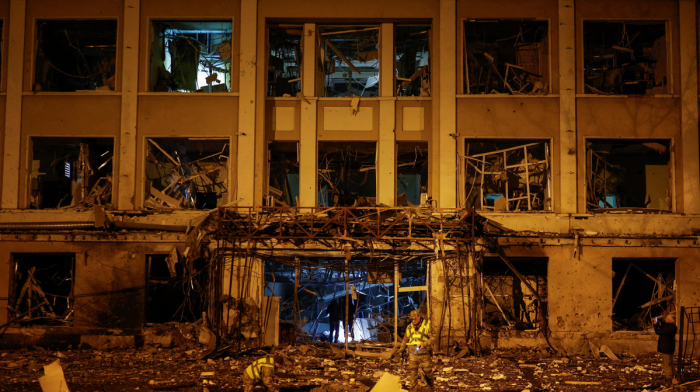
U.S. President Donald Trump has criticised Ukrainian President Volodymyr Zelenskyy for continuing to target Russia's energy infrastructure, while Russian strikes on Kyiv overnight killed at least one person and damaged a metro station.
The day after waiving sanctions and tariffs related to Russian exports, U.S. President Donald Trump said on Saturday he has yet to announce a final decision on the matter as Secretary of State Marco Rubio said officials want more time to evaluate the situation.
A Saudi AH-6i helicopter crashed in the Najran region of Saudi Arabia due to a technical malfunction, killing its two crew members, the Saudi-led coalition's spokesman Brigadier General Turki al-Maliki said in a statement on Sunday.
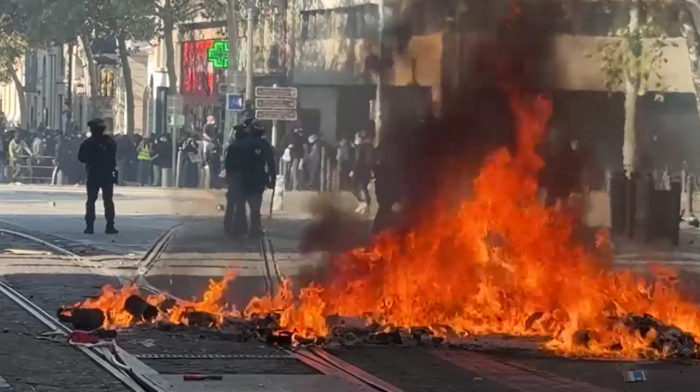
French President Emmanuel Macron has condemned the violence, looting and vandalism that erupted during cost-of-living protests across France. Prime Minister Sébastien Lecornu held crisis talks on Monday, calling for partial curfews and raising the possibility of a state of emergency.
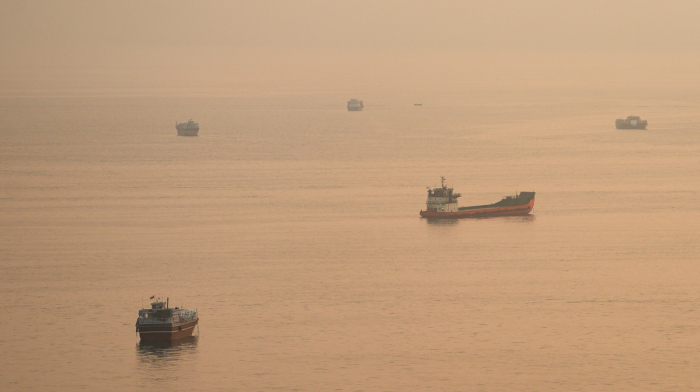
An oil tanker caught fire after striking a naval mine in the southern part of the Strait of Hormuz, Iran’s Islamic Revolutionary Guard Corps (IRGC) Navy said late Sunday.
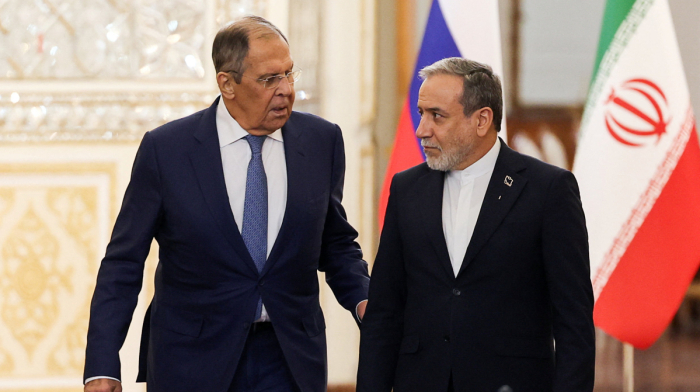
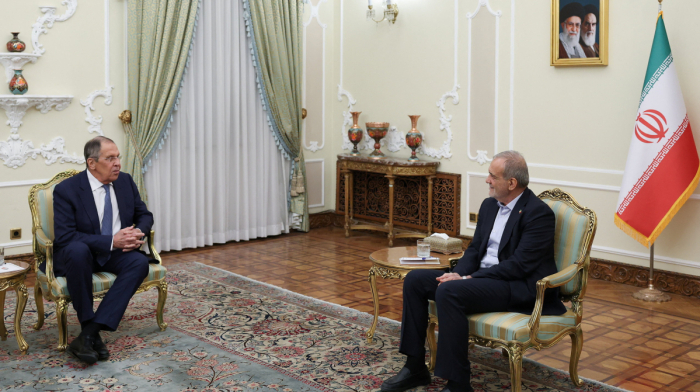
Iranian Foreign Minister Abbas Araghchi said regional issues should be resolved through diplomacy and blamed the United States for insecurity and tensions in the Strait of Hormuz, speaking at a joint news conference with Russian Foreign Minister Sergey Lavrov on Monday.
IranandRussia renewed calls for diplomatic solutions to end the ongoing regional conflict, while also pledging to deepen bilateral politicalandeconomiccooperation followingRussianForeignMinisterSergeyLavrov’svisittoTehranonMonday.
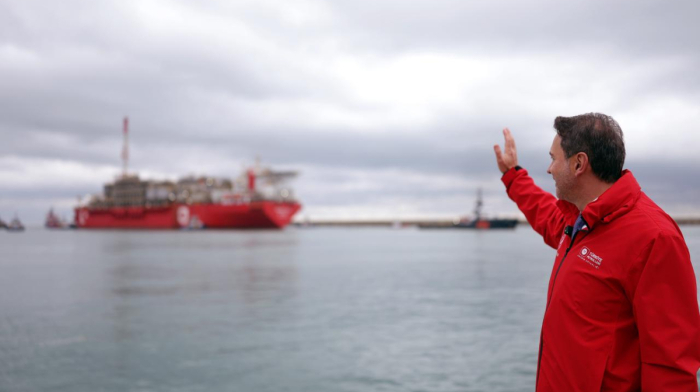
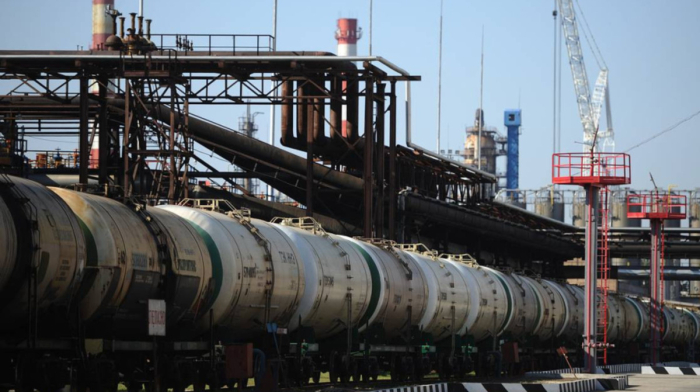
Türkiye is set to receive Russian diesel under a U.S.-backed agreement, Energy Minister Alparslan Bayraktar said on Sunday, as Ankara pushes ahead with plans to boost domestic gas production and reduce its reliance on imported energy.
An oil tanker caught fire after striking a naval mine in the southern part of the Strait of Hormuz, Iran’s Islamic Revolutionary Guard Corps (IRGC) Navy said late Sunday.
Azerbaijan exported $23.45 million worth of goods to Armenia between January and September 2026, according to data released by the State Customs Committee on 19 October.
Download the AnewZ app
You can download the AnewZ application from Play Store and the App Store.










What is your opinion on this topic?
Leave the first comment