Moscow blames Ukraine after five Azerbaijanis killed in the Sea of Azov
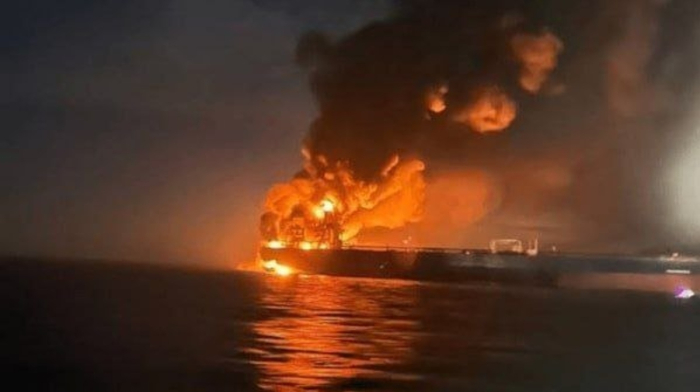
Five Azerbaijani crew members were killed, and three others were injured after two cargo vessels were hit in a drone attack in the Sea of Azov, Azerba...
Almost 2,000 people have been evacuated from Iran via Azerbaijan since conflict erupted in the Middle East.
Diplomatic staff and foreign nationals are among those who have crossed the border, as well as Azerbaijani citizens, officials said.
The largest group of evacuees are Chinese nationals, with 541 citizens crossing into Azerbaijan via the Astara border checkpoint since 28 February. They are followed by 290 Russian citizens, 173 from Tajikistan and 123 from Pakistan.
Citizens of more than 60 countries have entered Azerbaijan through the crossing since the beginning of the conflict in Iran and the wider Middle East.
Diplomatic missions are also using the checkpoint. Most recently, Hungary’s ambassador to Iran and eight embassy staff members were evacuated through the crossing. Russian diplomatic staff have also left Iran via the border checkpoint.
Meanwhile, Azerbaijan’s Cabinet of Ministers announced that cargo transportation across the Azerbaijan–Iran border will resume on Monday (9 March).
Earlier, under Decision No. 66 adopted on 5 March, the Cabinet of Ministers temporarily halted the movement of cargo vehicles across the Azerbaijan–Iran border.

Five Azerbaijani crew members were killed, and three others were injured after two cargo vessels were hit in a drone attack in the Sea of Azov, Azerbaijan's Foreign Ministry said on Friday, as Russia blamed Ukraine for the strike.
The new AnewZ documentary, TARGET: Yerevan, builds its explosive case on exclusive, secret recordings originally published by Minval Politika.
Azerbaijan has strongly rejected allegations published by CNN claiming that its territory was used for Israeli military and intelligence operations against Iran, describing the report as entirely baseless and demanding a retraction.
Armenia will hold parliamentary elections on 7 June 2026, a vote that will shape the country’s political direction for the next five years. Understanding how the electoral system converts votes into parliamentary power is key to following the outcome and its wider regional implications.
Armenia’s National Assembly election on 7 June is increasingly being viewed not only as a domestic political contest, but also as a vote that could shape the future direction of the South Caucasus.
The United Nations has warned that Afghanistan has one of the highest maternal mortality rates in the world, with around 600 mothers dying for every 100,000 live births.
A seven-month-old Palestinian baby has been killed and his parents injured after Israeli forces fired at a vehicle in Hebron, Palestinian health officials say.
The U.S. said it struck Iranian radar sites on Qeshm Island and in Goruk after intercepting four drones, while Iran's Revolutionary Guards said they launches retaliatory strikes on four tankers in the Strait of Hormuz and targeted U.S. bases in the Gulf.
Azerbaijan is once again at the centre of global climate diplomacy, hosting World Environment Day 2026 and bringing together international leaders, policymakers and organisations to address urgent environmental challenges.
The Eighth Global Environment Facility (GEF) Assembly has concluded in Samarkand, bringing together representatives from 186 countries to set environmental priorities and approve new funding for climate, biodiversity and sustainable development initiatives.
You can download the AnewZ application from Play Store and the App Store.
What is your opinion on this topic?
Leave the first comment