Pakistan says it has added 12 sites to its UNESCO World Heritage Tentative List, taking the total from 25 to 37 and widening the country's roster of potential future nominations.
The additions span ancient settlements, Gandharan Buddhist remains, historic forts, Islamic architecture and living indigenous traditions, reflecting thousands of years of history across the country.
Announced by Pakistan’s Ministry of National Heritage and Culture, the move does not give the sites UNESCO World Heritage status. Instead, it places them on Pakistan’s Tentative List - an inventory of properties the country intends to consider for future nomination.
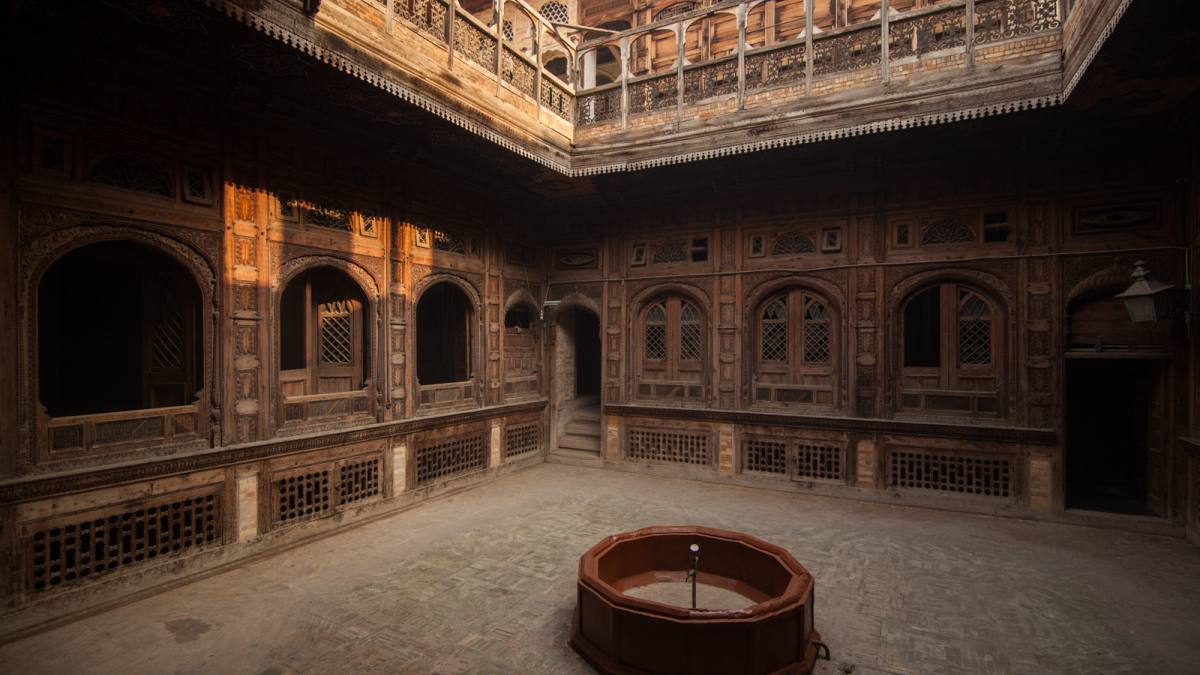
The 12 additions are the Archaeological Complex of Gor Khatri, Bazira-Barikot, Bhamala Buddhist Complex, Sethi House and Mai Qamro Mosque in Khyber Pakhtunkhwa; Pharwala Fort, Rawat Fort and the Tomb of Sultan Muqarrab Khan in Punjab; Kot Diji Fort, Naukot Fort and Umerkot Fort in Sindh; and the Kalasha Valley Cultural Landscape in Chitral.
According to Pakistan’s Ministry of National Heritage and Culture, the additions were made in three phases in 2026. The Kalasha Valley Cultural Landscape was added on 9 March, followed by Kot Diji, Naukot and Umerkot forts on 18 March. The remaining eight properties were reported as added on 11 May.
Together, they cover a remarkably broad stretch of Pakistan’s past, from ancient Gandhara and Buddhist civilisation to historic trade routes, Islamic monuments, fortified settlements and communities whose cultural traditions remain alive today.
Gandharan heritage highlights ancient crossroads
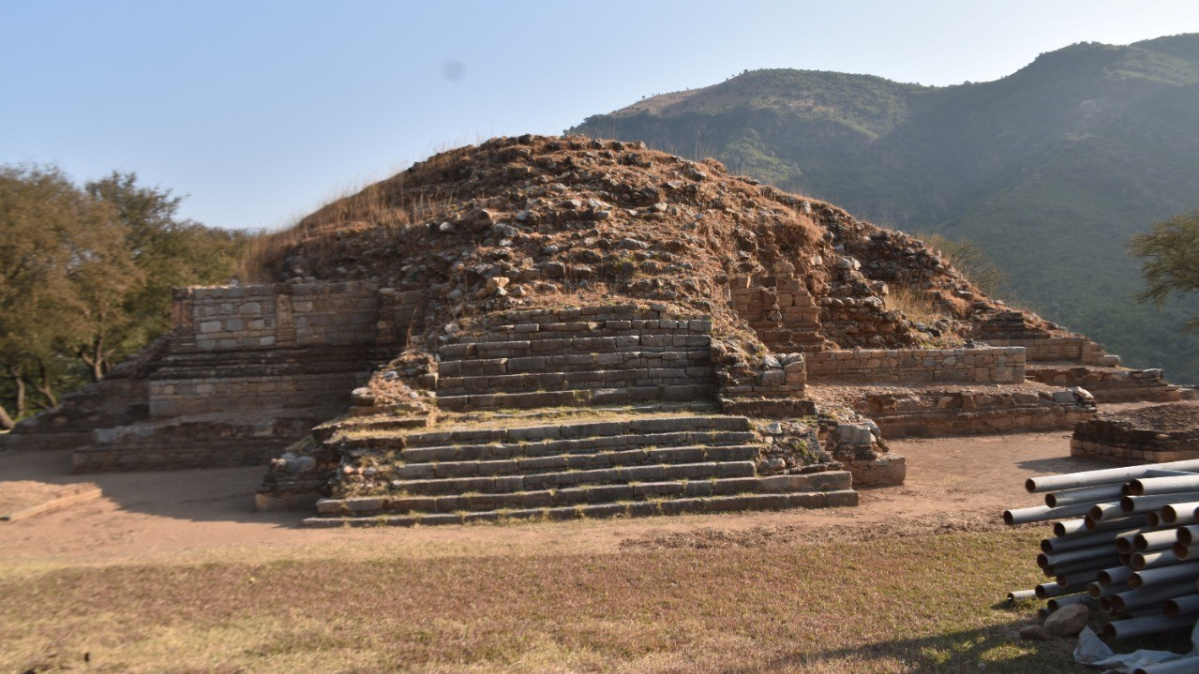
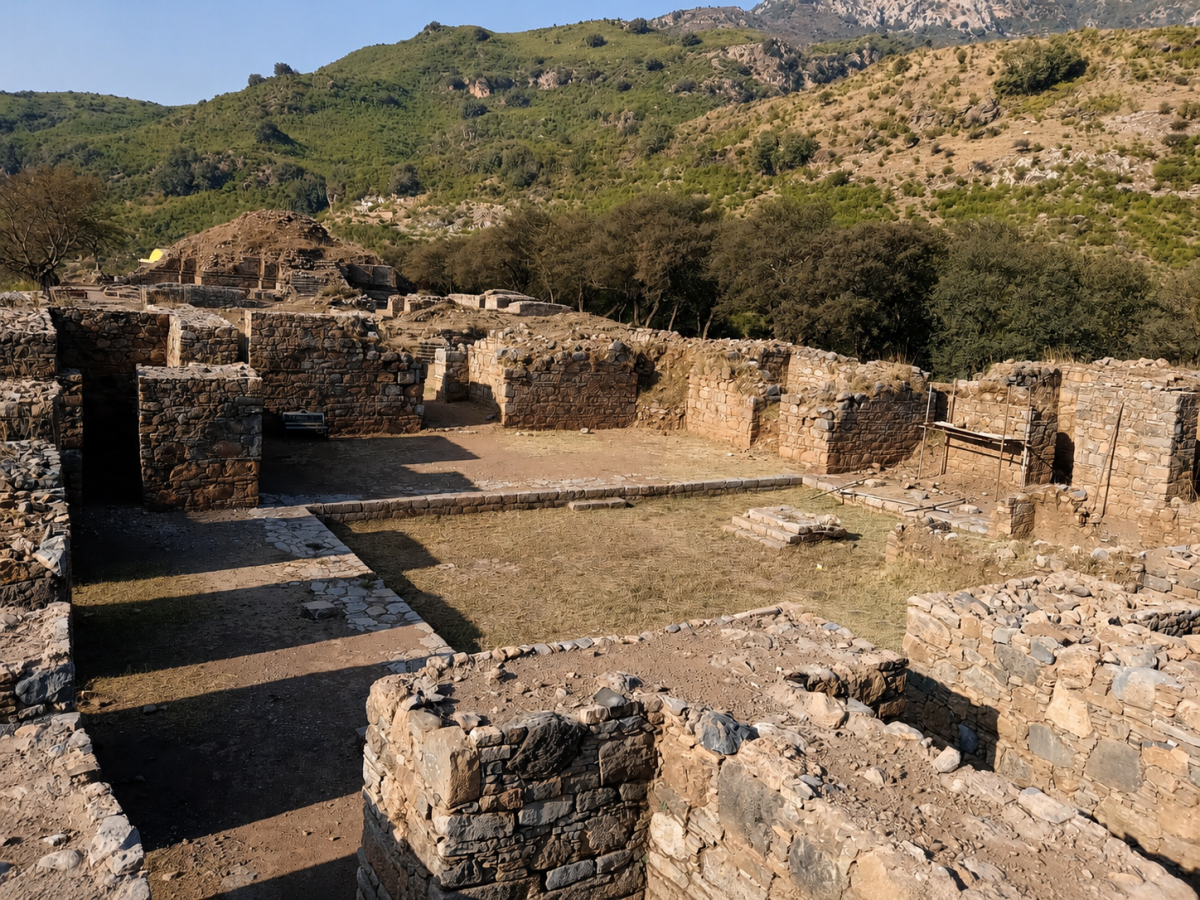
Several of the new properties are in Khyber Pakhtunkhwa, including Bazira-Barikot in Swat and the Bhamala Buddhist Complex in Haripur.
Bazira-Barikot provides archaeological evidence of early settlement, urban development and successive cultural phases in ancient Gandhara. Its historical context also connects the site to Alexander the Great’s campaign in the subcontinent and the subsequent development of Gandharan civilisation.
Bhamala adds another important Buddhist site to Pakistan’s heritage portfolio. Its remains reflect the development of Gandharan Buddhist culture, which was shaped by interactions between local and Hellenistic artistic traditions.
In Peshawar, Gor Khatri tells a different part of the story. The site reflects the city’s centuries-old role as a crossroads connecting the Indian subcontinent with Afghanistan and Central Asia, bringing successive civilisations and cultures into contact.
Kalasha Valley puts living culture in focus
One of the most distinctive additions is the Kalasha Valley Cultural Landscape in Chitral.
Unlike a fort or archaeological ruin, the site represents a living cultural landscape, adding a dimension to Pakistan’s Tentative List that extends beyond physical monuments to encompass cultural traditions and indigenous identity.
The addition also reflects a broader evolution in how heritage is represented internationally, - not only through buildings and archaeological remains, but also through landscapes and communities where cultural practices continue.
Historic forts strengthen Punjab and Sindh representation
The new entries also strengthen Pakistan’s representation of historic military and architectural sites.
Pharwala Fort, Rawat Fort and the Tomb of Sultan Muqarrab Khan have been added to the Tentative List from Punjab. According to the Ministry of National Heritage and Culture, the properties have been placed on the list for the first time through the Federal Department of Archaeology and Museums.
Sindh contributes three more: Kot Diji Fort, Naukot Fort and Umerkot Fort.
Kot Diji is particularly significant in the broader historical landscape of Sindh, while Naukot and Umerkot reflect the region’s fortified heritage and its position along historic routes across the lower Indus and Thar region.
UNESCO’s records confirm the three Sindh forts were added in March 2026.
UNESCO database currently lists 29 properties
Pakistan’s Ministry of National Heritage and Culture says the country’s Tentative List has increased from 25 to 37. However, UNESCO’s publicly accessible World Heritage Centre database currently shows 29 properties for Pakistan.
The database records four additions from March 2026 - the Kalasha Valley Cultural Landscape, Kot Diji Fort, Naukot Fort and Umerkot Fort - but does not currently display the eight properties Pakistan reported as being added on 11 May.
UNESCO’s July 2026 document on Tentative Lists states that it records submissions received by 15 April 2026, which may help explain why later additions are not reflected in that particular consolidated record.
Six World Heritage sites and no new inscription since 1997
Tentative listing is only the first step.
Pakistan has six properties inscribed on the World Heritage List. They include Moenjodaro, Taxila, the Buddhist Ruins of Takht-i-Bahi and neighbouring Sahr-i-Bahlol, the Fort and Shalamar Gardens in Lahore, the Historical Monuments at Makli, Thatta, and Rohtas Fort. UNESCO records show that Rohtas Fort was inscribed in 1997.
Pakistan has therefore gone nearly three decades without adding a new property to the World Heritage List, despite the depth and geographical spread of its archaeological and cultural heritage.
The expanded Tentative List creates a larger pool for future nominations. But securing UNESCO World Heritage status requires more than historical significance.
Turning potential into World Heritage status
For a property to move from the Tentative List to the World Heritage List, the state must develop a formal nomination demonstrating its Outstanding Universal Value, together with appropriate protection, conservation and management arrangements.
UNESCO also stresses the importance of maintaining and updating Tentative Lists as part of long-term nomination planning.
Pakistan is also pursuing preliminary assessments for the Archaeological Site of Ranigat in Khyber Pakhtunkhwa and the Port of Banbhore in Sindh, according to the Ministry of National Heritage and Culture.
The latest additions therefore represent both an opportunity and a test for Pakistan.
The country now has a much broader catalogue of sites that could eventually seek international recognition, ranging from the Buddhist heritage of Gandhara and historic desert forts to the living traditions of the Kalasha people.
The next challenge is to turn that expanded list into successful nominations by building the conservation, documentation and management capacity needed to secure new UNESCO World Heritage inscriptions.
Read more:















What is your opinion on this topic?
Leave the first comment