UNESCO has added 25 new properties to its World Heritage List during the 48th session of the World Heritage Committee in Busan, South Korea. The newly inscribed sites include cultural, natural and mixed properties, bringing the total number of World Heritage sites worldwide to 1,273.
The newly recognised sites include 19 cultural properties, five natural sites and one mixed site, bringing the total number of World Heritage properties worldwide to 1,273, UNESCO said.
Three sites added under emergency procedure
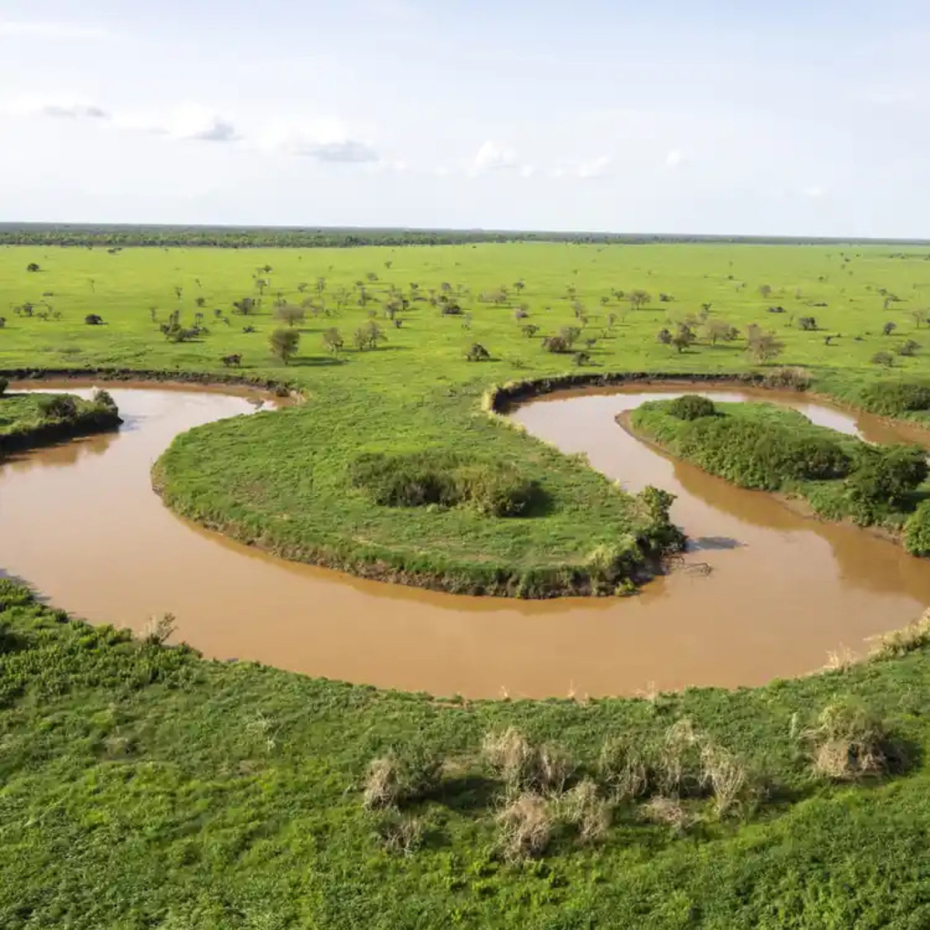
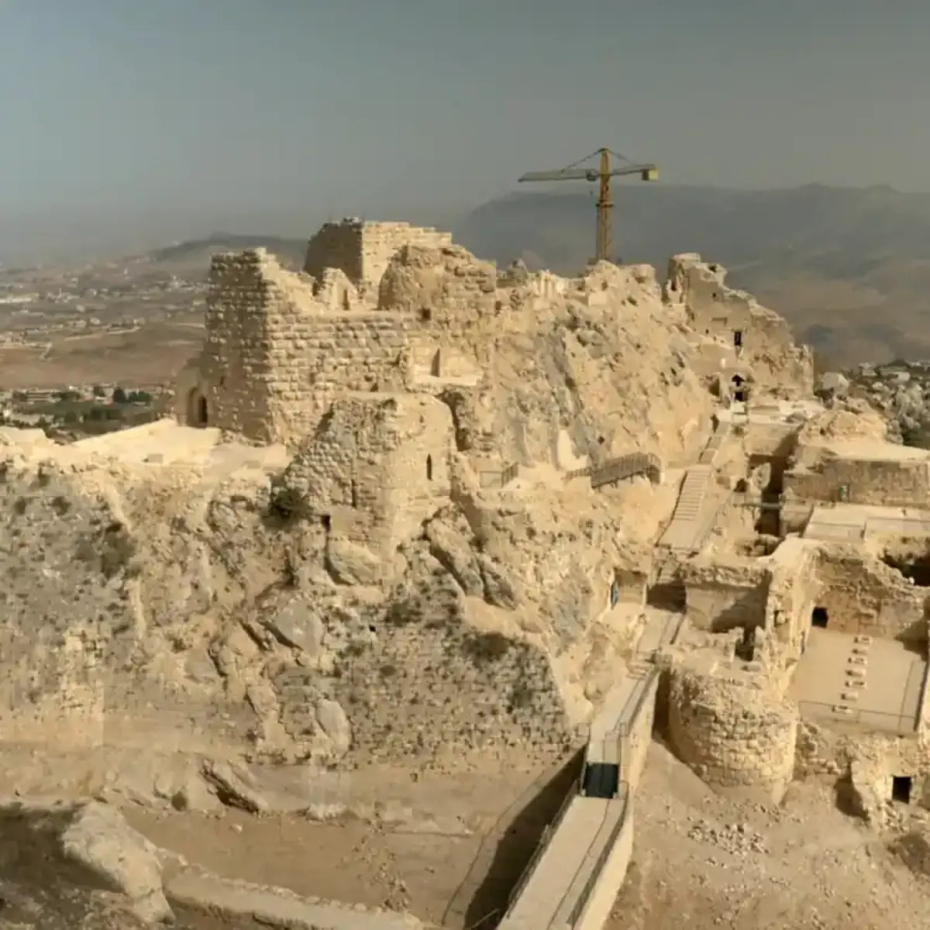
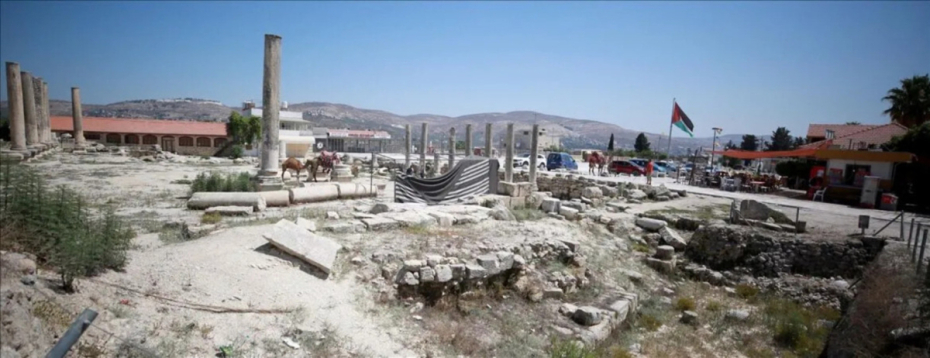
Three properties were added through an emergency procedure: the Boma-Badingilo Migratory Landscape in South Sudan, the Mount Amel Castles in Lebanon and Sebastia in the West Bank.
All three sites were also among six locations added this year to the List of World Heritage in Danger.
UNESCO said the use of the emergency mechanism for three sites during a single session highlights the growing number of heritage locations threatened by conflict and instability.
The organisation said the move reflects the committee's determination to provide international protection and recognition before it is too late.
First World Heritage sites for three countries
The latest session marked the first UNESCO World Heritage inscriptions for Comoros, São Tomé and Príncipe, and South Sudan.
As a result, the number of countries without a World Heritage property has fallen to 23 among the 196 states that are parties to the World Heritage Convention.
Normandy D-Day beaches recognised as site of memory
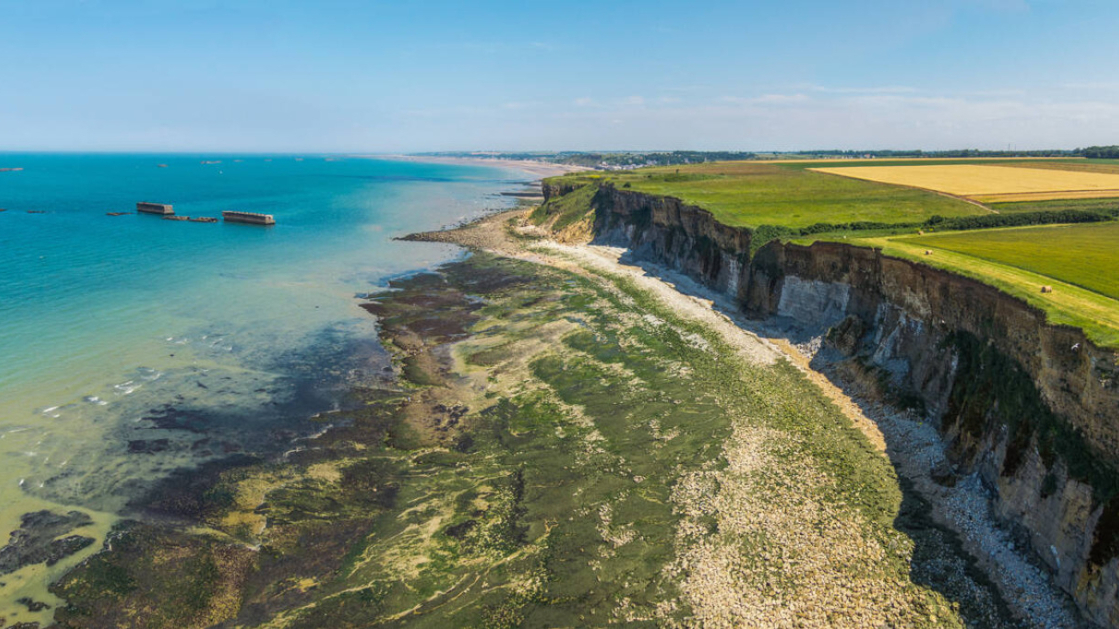
One of the highlights of the session was the inscription of the Beaches of the D-Day Landings, Normandy, 1944, in France as a site of memory.
Since 2023, UNESCO's World Heritage List has included this category to recognise places linked to historical events that countries and communities seek to commemorate.
The Normandy site consists of six locations stretching for around 80 kilometres along the coast. It was recognised for its connection to the Allied landings on 6 June 1944, which marked the beginning of Operation Overlord and the liberation of Western Europe from Nazi occupation during the Second World War.
China’s porcelain heritage site added
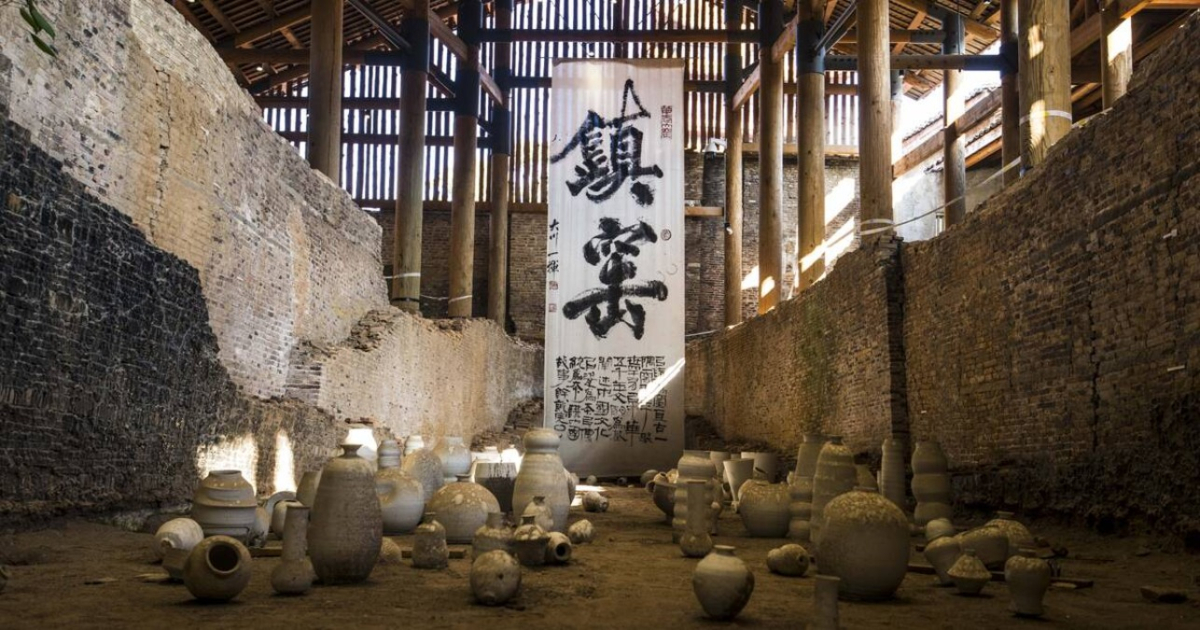
The committee also approved the inclusion of China's Jingdezhen Handicraft Porcelain Industry Sites.
Located in Jiangxi Province in eastern China, the site comprises five areas showcasing the development of Jingdezhen's handcrafted porcelain industry from the 10th to the 19th century.
The inscription fills a long-standing gap on the World Heritage List for porcelain heritage and increases the number of World Heritage properties in China to 61.
UNESCO Committee oversees heritage protection
The World Heritage Committee is one of the two governing bodies of the Convention Concerning the Protection of the World Cultural and Natural Heritage.
It is responsible for implementing the convention, reviewing nominations for the World Heritage List and monitoring the conservation status of listed properties.
Read more about UNESCO:




















What is your opinion on this topic?
Leave the first comment