UNESCO has unveiled the latest additions to its Intangible Cultural Heritage of Humanity list, celebrating a rich array of global traditions that reflect the importance of cuisine, festivals, and local customs.
Among the headline recognitions were Italy’s national cuisine and Egypt’s iconic dish, koshary, marking significant milestones for both countries in preserving and showcasing their cultural heritage.
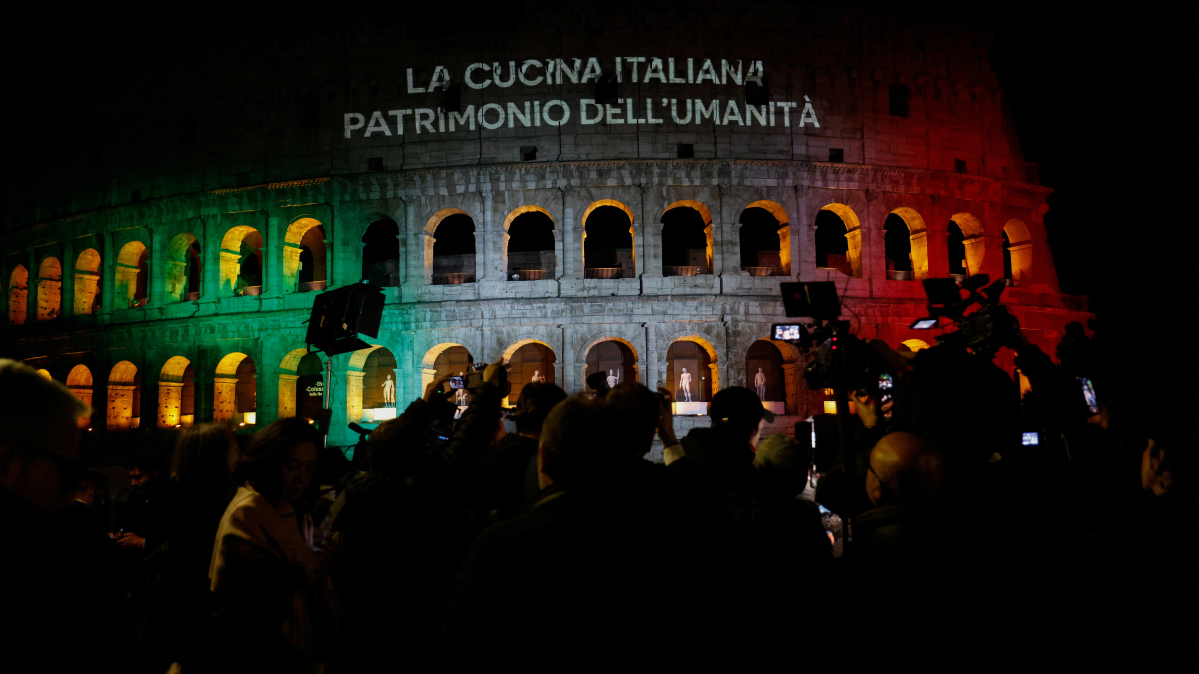
In an historic moment for Italian culture, Italy became the first country to have its entire national cuisine inscribed on the prestigious UNESCO list. The recognition, approved at UNESCO’s annual session in New Delhi, highlights the profound connection between Italian food, family life, and regional identity. Supported by both Italy’s culture and agriculture ministries, the bid underscored the central role of cuisine in Italian social life, from traditional recipes passed down through generations to the culinary diversity found across the country.
Prime Minister Giorgia Meloni welcomed the decision, expressing the deep cultural value of Italian cuisine for her country.
"For us Italians, cuisine is not just food, not just a collection of recipes; it is much more: it is culture, tradition, work, wealth," Meloni said, reflecting the sentiment felt by many Italians who see their food as an essential part of their national identity.
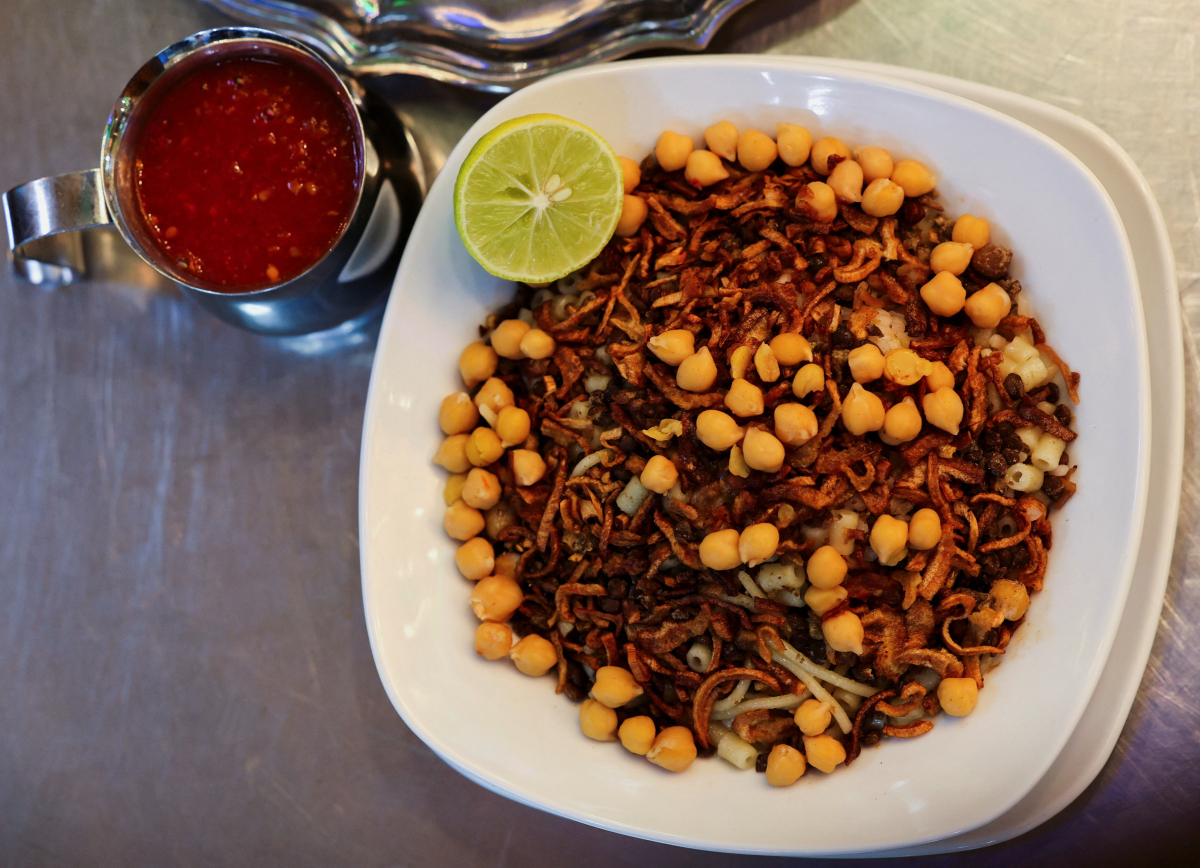
Egypt also celebrated a major cultural victory with the inclusion of koshary, a popular dish made from rice, lentils, and pasta, in UNESCO’s list of Intangible Cultural Heritage. Known for its widespread popularity and presence in everyday Egyptian life, koshary is considered a symbol of the country's culinary heritage. The recognition highlights its significance not only as a beloved meal but as a staple of Egyptian culture.
At Cairo's famous Abou Tarek restaurant, a renowned spot for serving the dish, the staff expressed pride in the recognition, emphasising the role koshary plays in uniting Egyptians across all walks of life.
"Koshary truly deserves to be included in UNESCO, especially with the Egyptian people, so we can document Egyptian identity within UNESCO," said Ahmed Shaker, a public relations officer at Abou Tarek.
"Koshary is one of the pillars of Egyptian cuisine for all Egyptians, across all groups, it's not limited to any specific group; all Egyptians eat koshary," Shaker said.
In addition to Italy and Egypt, UNESCO’s Intangible Heritage list also saw the inclusion of several other vital cultural traditions.
India’s Diwali, the vibrant festival of lights, was added, underscoring the festival's significance to Indian culture and its widespread celebration across the globe.
Iceland’s distinctive swimming pool culture, known for its role in social interaction and community building, was also inscribed, reflecting the importance of public pools in Icelandic daily life.
UNESCO highlighted that all inscribed traditions, whether they relate to food, festivals, or other aspects of life, reflect “active community participation” and an ongoing commitment to preserving living heritage for future generations. This inclusion not only honours these practices but also ensures their continued recognition and protection in the face of modern challenges.
Celebration of heritage across borders
UNESCO’s latest additions to the Intangible Cultural Heritage list reinforce the idea that culture is living, evolving, and deeply tied to communities. Whether it’s Italy’s iconic dishes, Egypt’s beloved koshary, or India’s Diwali, these traditions represent the heartbeat of nations and the pride of their people. By recognising such traditions, UNESCO continues to promote the preservation of cultural identities while encouraging cross-cultural understanding and dialogue.
As these cultural elements join the ranks of UNESCO’s celebrated heritage, they are not only honoured for their historical and social significance but also positioned as vital parts of the future. The recognition of these traditions helps ensure that they will be cherished, celebrated, and passed down to future generations, continuing to shape the cultural landscape of the world.














What is your opinion on this topic?
Leave the first comment