The condition of cultural heritage sites in Azerbaijan's Garabagh region remains a major point of debate after decades of conflict. Despite Azerbaijan’s calls for a UNESCO assessment and post-2020 negotiations, disagreements over access, scope and the mission’s framework have prevented a review.
The condition of cultural heritage sites in Garabagh has remained one of the most contested issues following decades of conflict.
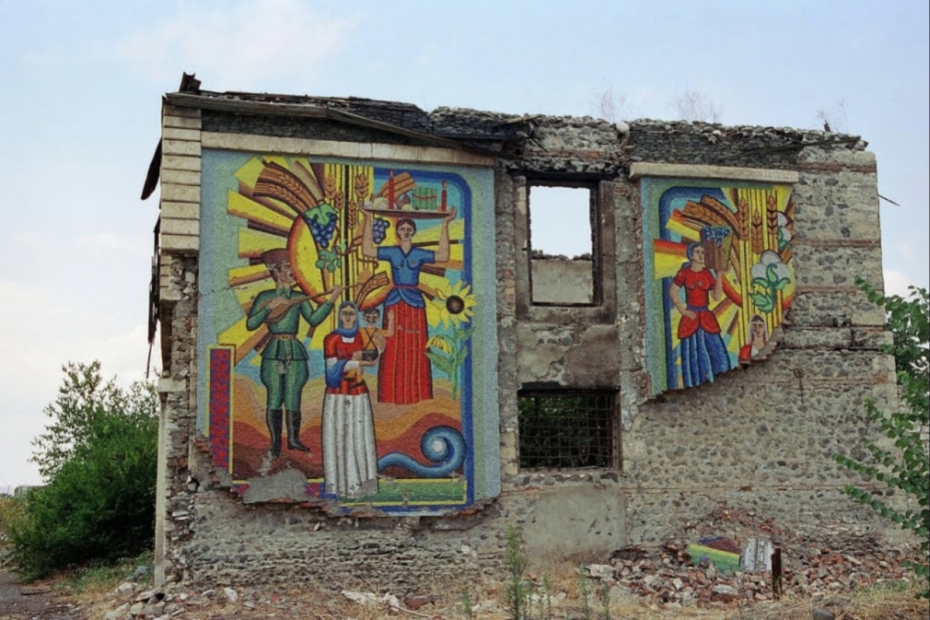
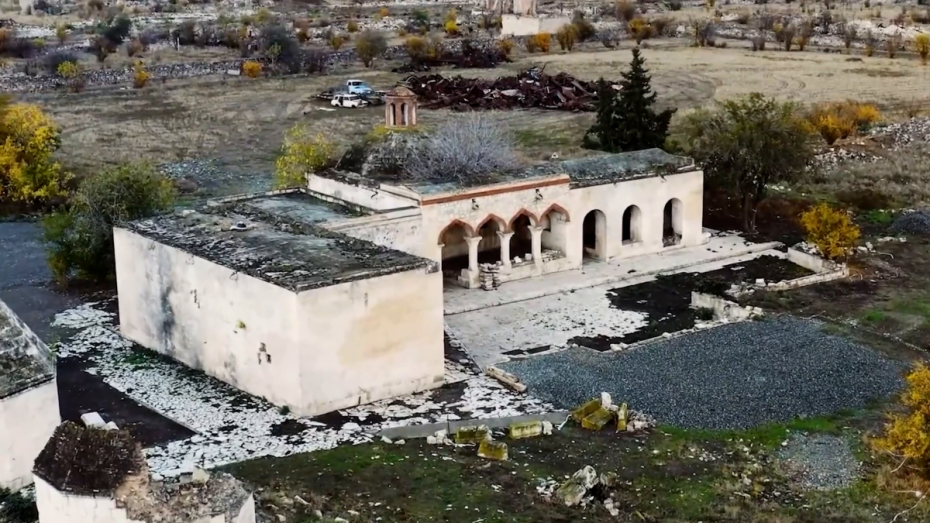
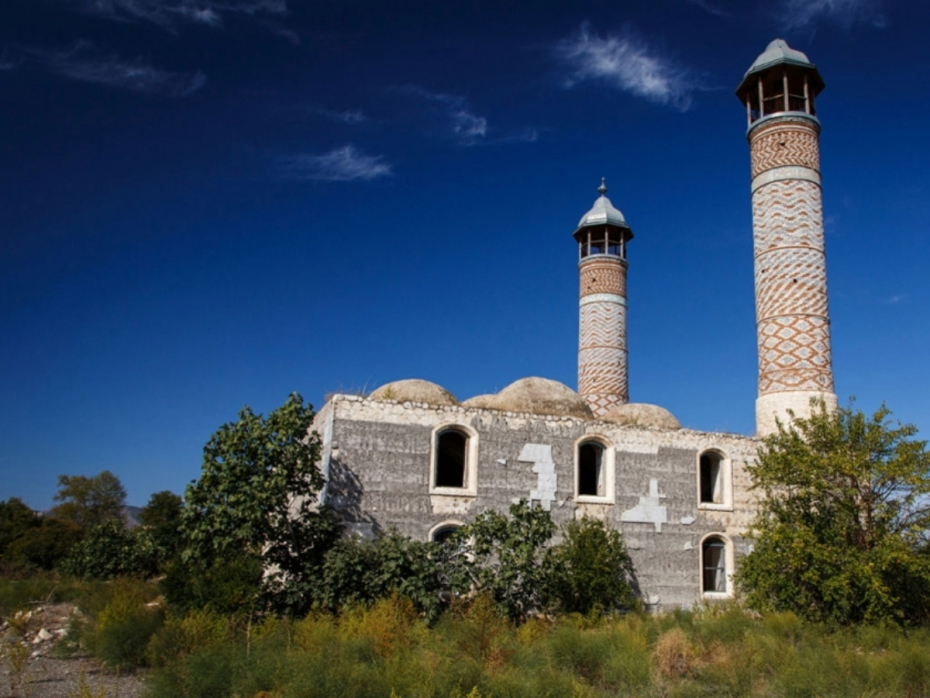
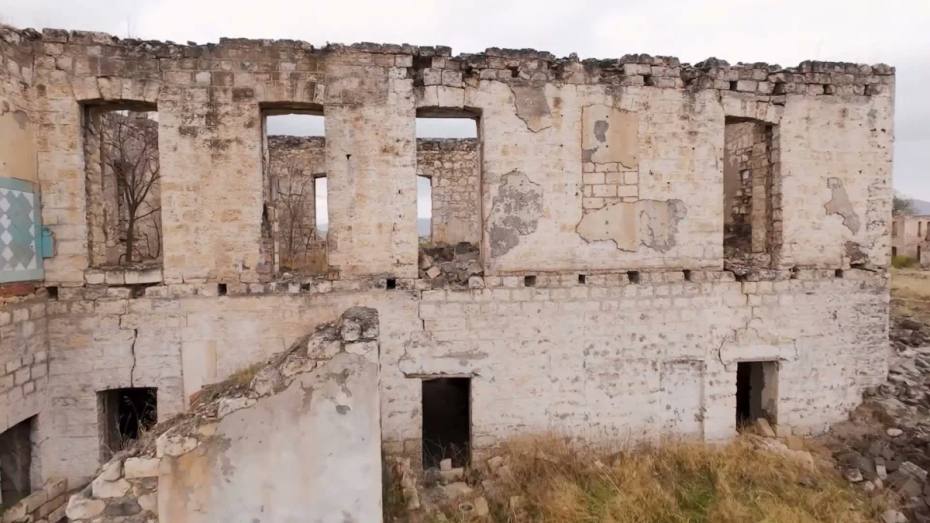
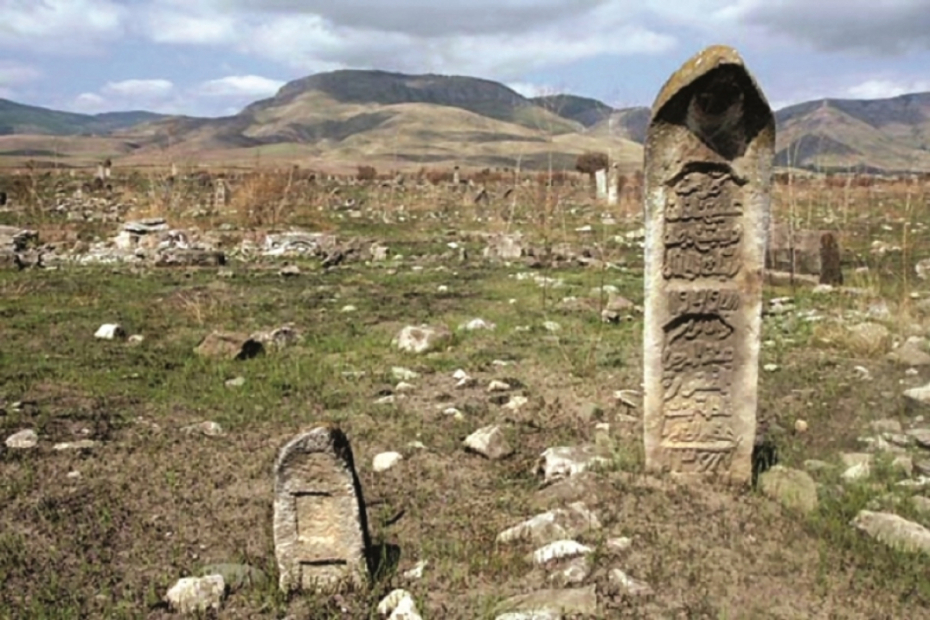
According to official Azerbaijani figures, the destruction affected a wide range of cultural sites, including eight cities, nearly 1,000 villages, 65 mosques, 44 temples and 473 historical monuments. Around 40,000 museum objects were also reportedly destroyed, looted or damaged.
Azerbaijan said some heritage sites were reduced to ruins, while others suffered damage to architectural elements, inscriptions and artefacts.
The country also raised concerns over alleged alterations to Caucasian Albanian inscriptions, claims that remain disputed and have not been verified by UNESCO.
Calls for a mission before the 2020 war
Azerbaijan said it repeatedly requested a UNESCO fact-finding mission to document the condition of cultural heritage sites. UNESCO maintained that access required agreement from the parties concerned.
As a result, no comprehensive international assessment was carried out before the 2020 war. There was no complete UNESCO-led inventory of the affected sites or an independent evaluation accepted by all sides.
Post-war UNESCO mission talks
After the 2020 war, UNESCO proposed sending an independent technical mission under the 1954 Hague Convention to examine cultural heritage sites in the region.
Azerbaijan said it did not oppose an inspection, but sought agreement on several issues, including the mission’s terms of reference, route, list of sites and the wording used to describe the territory.
Baku objected to the proposed title “Mission to Karabakh” and suggested “Mission to the Karabakh region of Azerbaijan” instead. UNESCO did not accept the proposed wording.
Disagreements also emerged over which Christian and Muslim heritage sites would be included in the assessment. The sides failed to reach an agreement, and the mission did not proceed.
Heritage dispute moves into politics
The debate later expanded beyond the condition of monuments and historical sites. Azerbaijani officials and media reports alleged political influence over technical decisions, restrictions on cooperation with Baku and pressure against Azerbaijan within UNESCO structures.
These allegations require verification through official documents, named sources and responses from the parties concerned.
An unresolved international assessment
UNESCO has previously carried out heritage protection missions in conflict zones, including Mali and Ukraine, although each case has its own circumstances.
The Garabagh case continues to raise questions over whether enough mechanisms were used to assess damage before 2020 and whether post-war negotiations allowed for a broad enough review. A comprehensive assessment accepted by all sides has still not been completed.











What is your opinion on this topic?
Leave the first comment