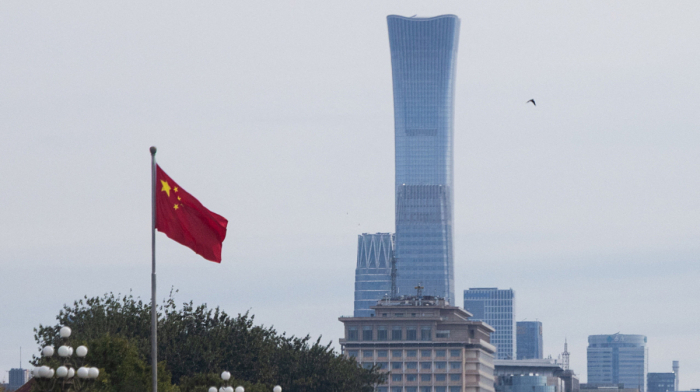
China tightens Communist Party oversight of tech firms and digital finance
China’s ruling Communist Party is stepping up oversight of technology firms, internet platforms and digital finance in a sweeping drive to ta...
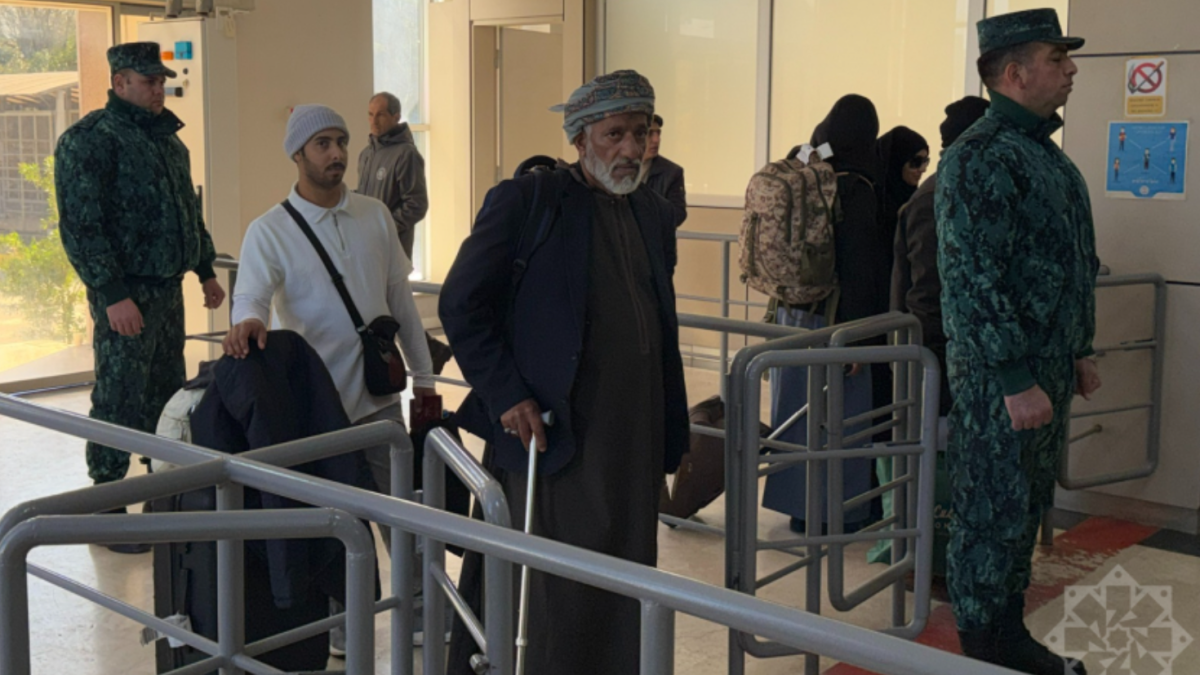
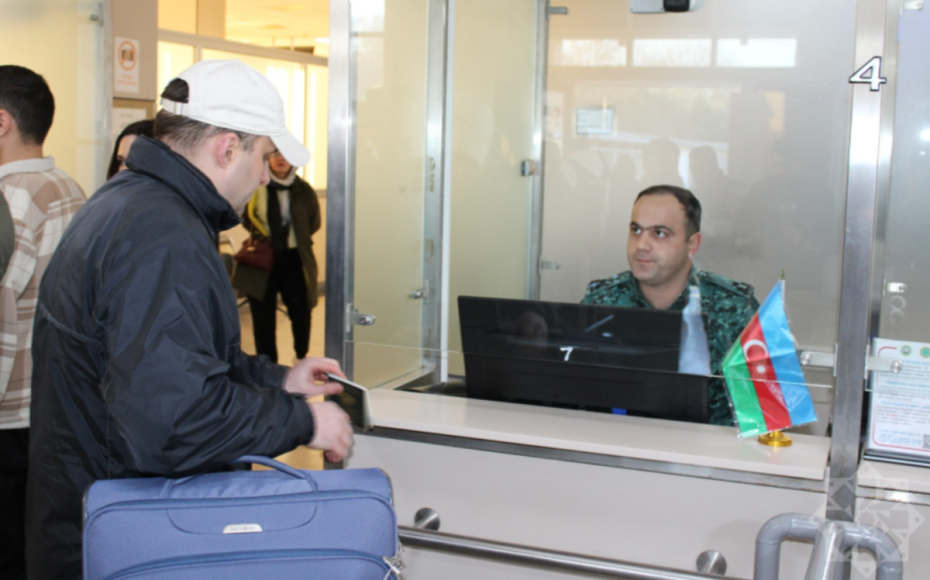
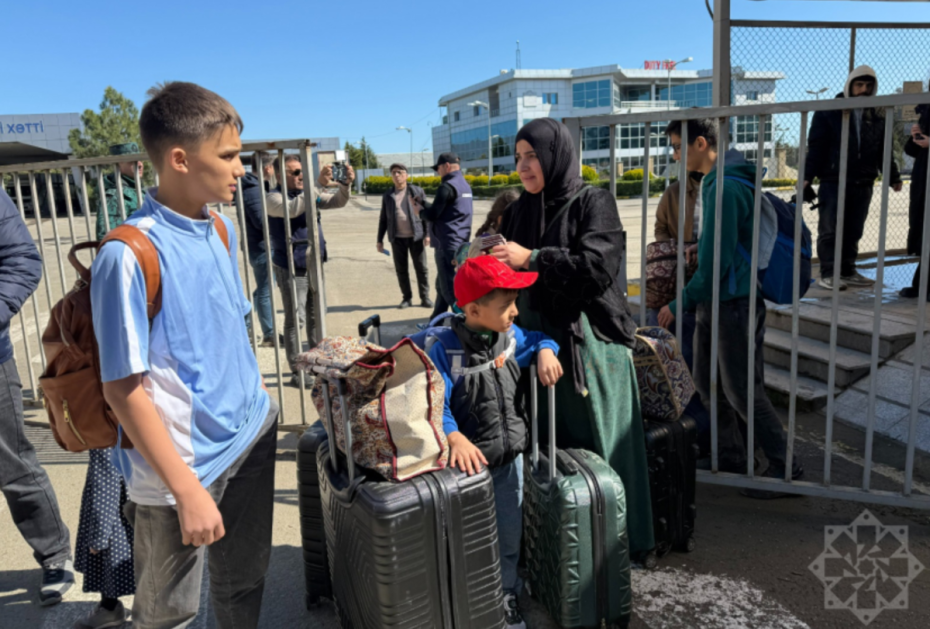
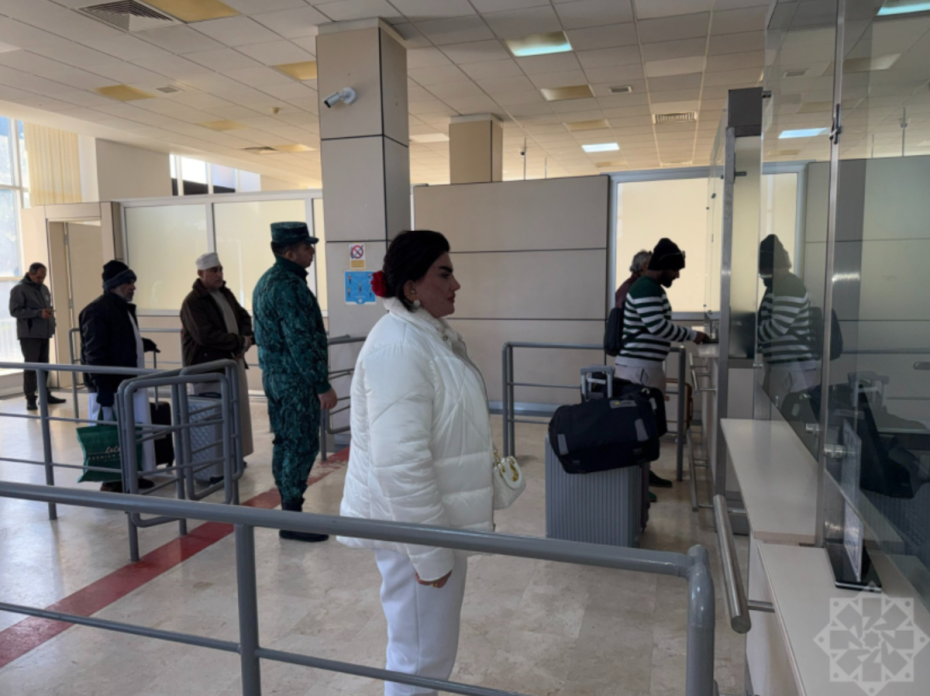
Azerbaijan's Astara border has become a key corridor for people wanting to leave Iran. More than 600 foreign nationals have been walking through the frontier this week amid the war in the Middle East.
AnewZ's Gulchin Khojalyova was at the crossing, where evacuation operations between Iran and Azerbaijan are continuing around the clock as foreign nationals flee amid escalating regional tensions.
She said that the largest groups include more than 150 Chinese nationals, 130 Russian citizens, 70 Pakistanis and 60 Tajik nationals, alongside smaller contingents from Saudi Arabia, the UAE, Jordan, Qatar, Bangladesh, the Philippines, Nepal, Georgia, Kazakhstan, France, Uzbekistan, Türkiye, Italy, Poland, Tunisia, Lebanon, India and Brazil.
Diplomatic personnel have also been evacuated. A six-member Slovak team passed safely through the checkpoint, and Serbia’s ambassador to Iran, Amir Kovacevic, was transferred following strikes affecting diplomatic facilities.
Coordinated humanitarian and logistical efforts ensured safe passage, documentation checks and onward transportation for all evacuees.
Khojalyova described the checkpoint as a “critical land route for foreign nationals amid restricted regional airspace,” highlighting the operation’s scale and urgency.
Russia’s embassy in Baku confirmed that 39 Russian citizens have already been evacuated from Iran, with roughly 500 more awaiting departure. Moscow has advised its nationals in Iran to leave via Armenia or Azerbaijan.
The UK government has issued guidance for British nationals seeking to cross into Azerbaijan overland, stating that entry may be possible with special authorisation coordinated through the embassy.
With a 689-kilometre shared border, Iran and Azerbaijan continue to rely on Astara as a functioning corridor for evacuations for taking people to safety, with authorities ensuring that humanitarian and logistical support remains in place as further crossings are expected in the coming days.
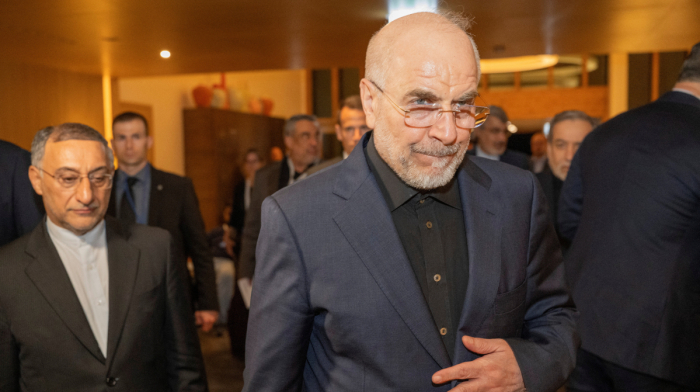
Iranian parliament speaker Mohammad Bagher Ghalibaf says the U.S. must act to prevent war after Tehran sent a “strong and rational response” to Washington. Meanwhile, U.S. forces have reportedly carried out limited strikes against Iranian targets, including Qeshm Island,
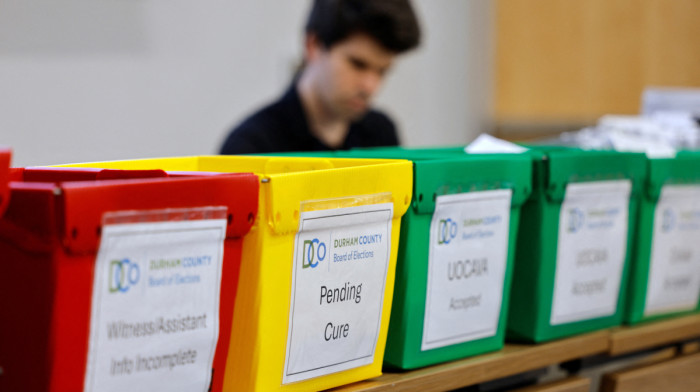
Hundreds of millions of U.S. citizens head to the polls on 3 November to elect the House of Representatives and Senate. How they vote could influence the direction of Donald Trump’s remaining 26 months in office and the outcomes of the Ukraine and Iran conflicts.
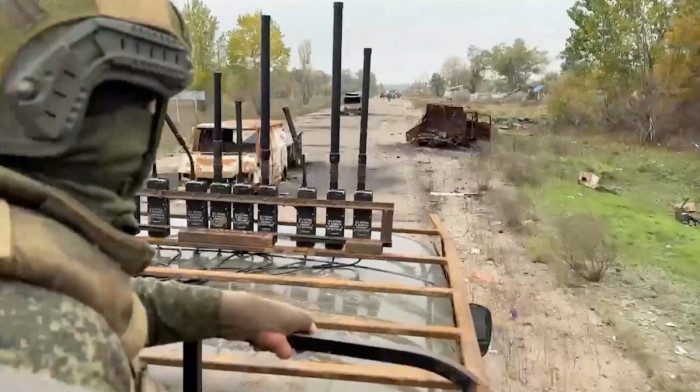
A six-day humanitarian ceasefire in the Russian-held Ukrainian town of Oleshky ended on Sunday, 1 November, after facilitating aid deliveries and civilian evacuations.
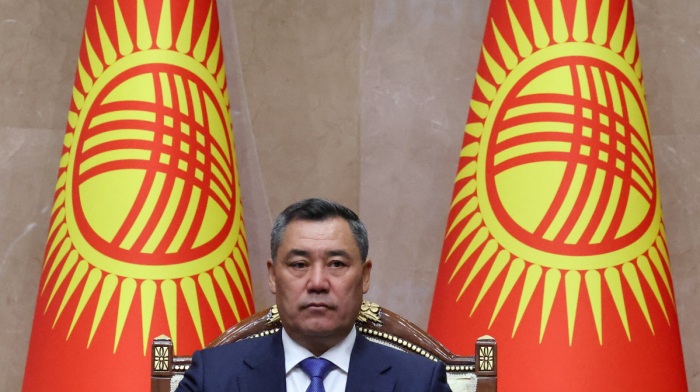
Kyrgyzstan has emerged as Central Asia’s fastest-growing economy, fuelled by a construction boom, public investment and trade linked to Russia. But with Western sanctions tightening, can the country sustain its rapid growth?
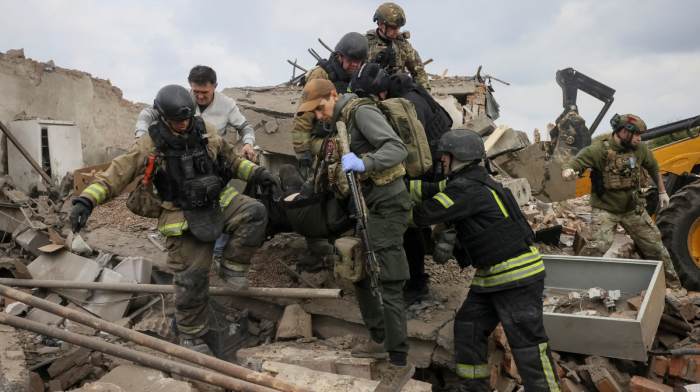
Russia airstrikes on a school used as a humanitarian aid distribution point in southeastern Ukraine's Zaporizhzhia region killed at least 26 people, including rescue workers and police officers, Ukrainian officials said. Another 27 people were reported missing.
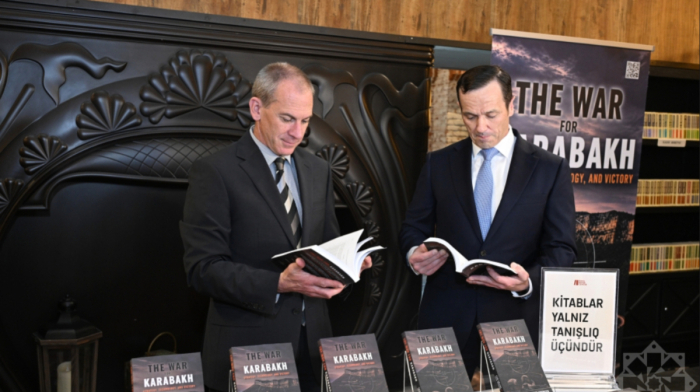
A new book examining Azerbaijan’s military strategy, technology and operations during the Garabagh wars has been unveiled in Baku, offering insights into the country’s victories and lessons for modern warfare.
Iranian parliament speaker Mohammad Bagher Ghalibaf says the U.S. must act to prevent war after Tehran sent a “strong and rational response” to Washington. Meanwhile, U.S. forces have reportedly carried out limited strikes against Iranian targets, including Qeshm Island,
Tajikistan has banned electronic cigarettes and nicotine delivery systems, becoming the latest Central Asian country to outlaw their production, import and sale as part of a wider push to protect public health.
Kyrgyzstan has emerged as Central Asia’s fastest-growing economy, fuelled by a construction boom, public investment and trade linked to Russia. But with Western sanctions tightening, can the country sustain its rapid growth?
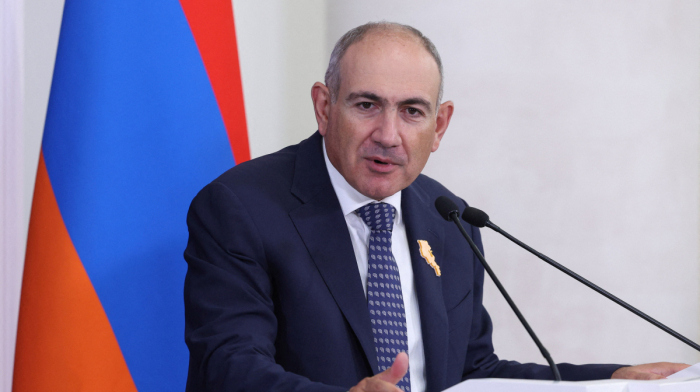
Armenian Prime Minister Nikol Pashinyan said the government plans to publish a draft of the country's new constitution in November, with public consultations to follow, as constitutional reforms remain a key issue in efforts to secure a final peace agreement with Azerbaijan.
You can download the AnewZ application from Play Store and the App Store.
What is your opinion on this topic?
Leave the first comment