Azerbaijan, Uzbekistan elevate ties with landmark Eternal Friendship treaty
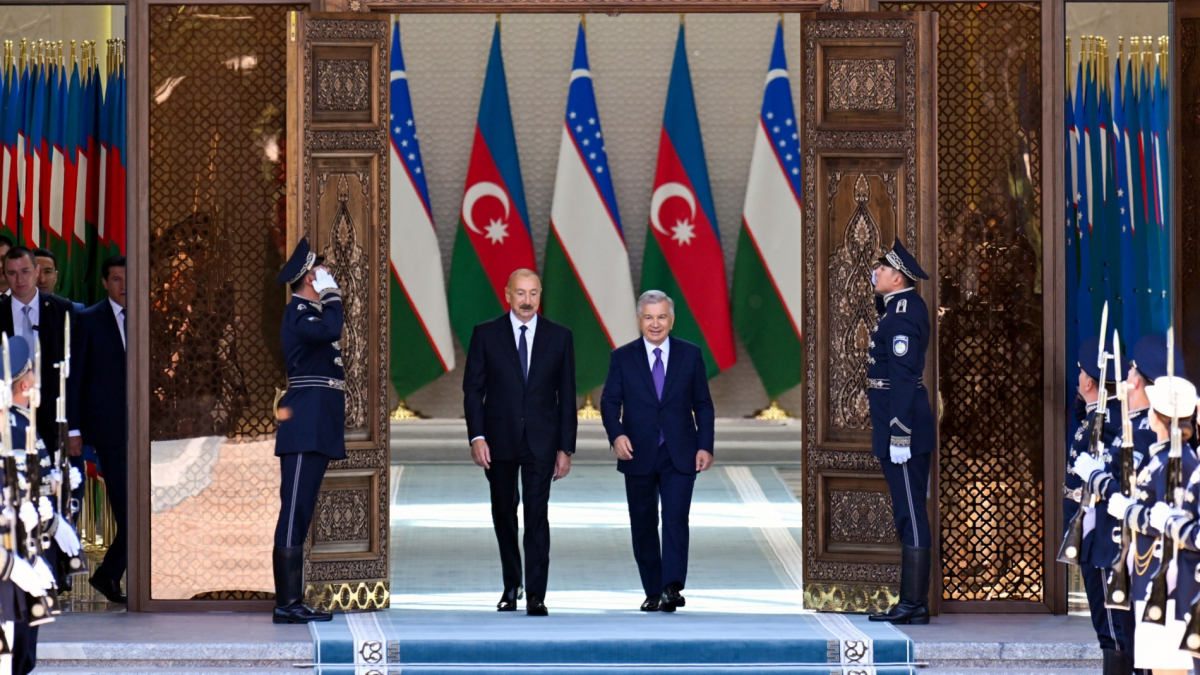
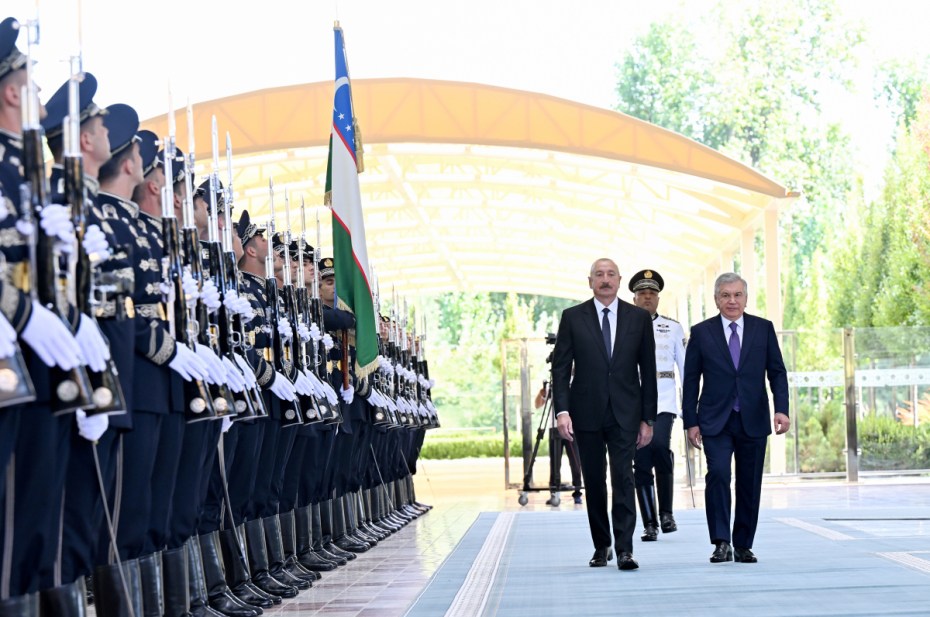
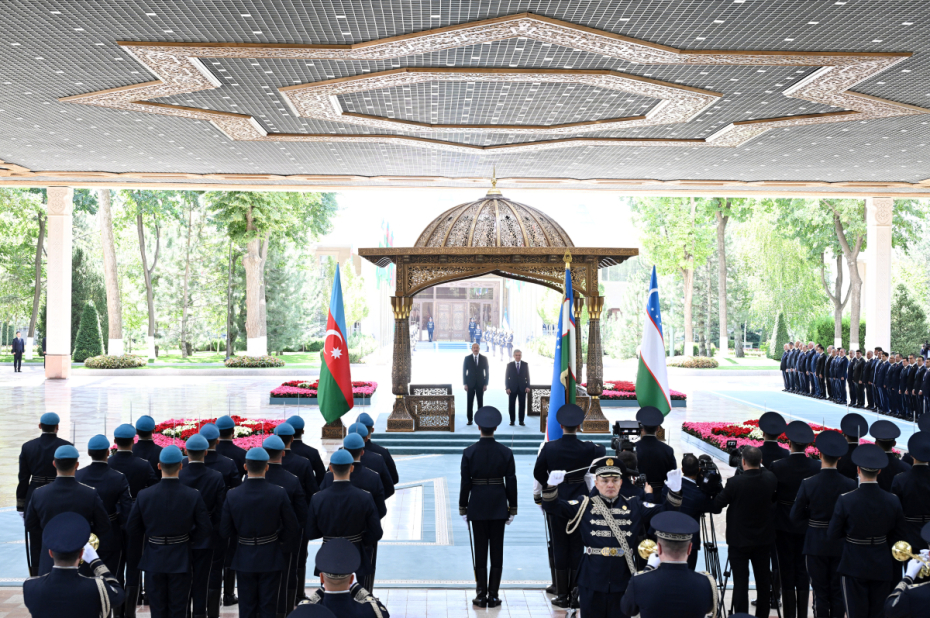
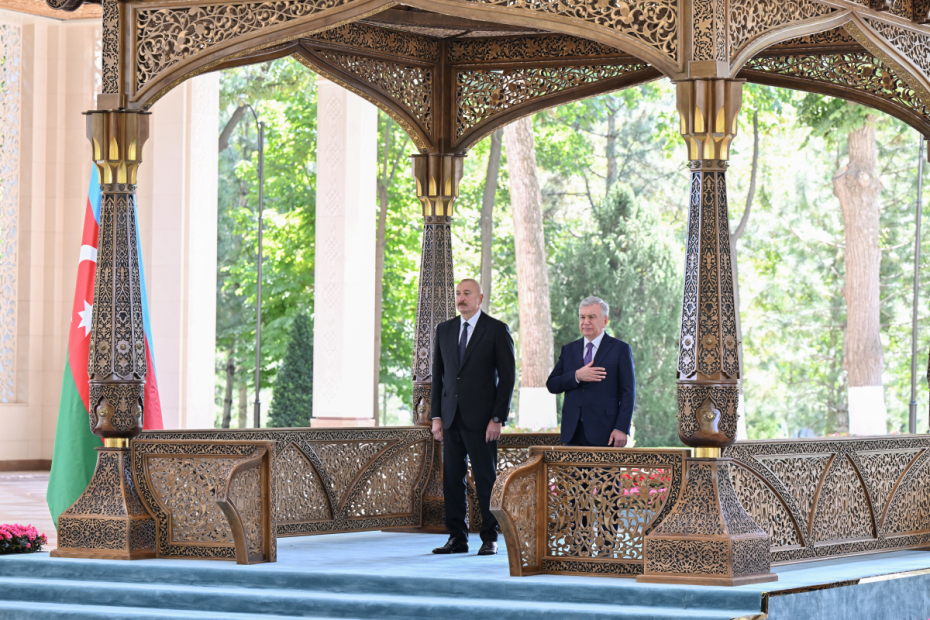
President of Azerbaijan Ilham Aliyev arrived in Uzbekistan on a state visit and was welcomed by President of Uzbekistan Shavkat Mirziyoyev on 23 August 2026.
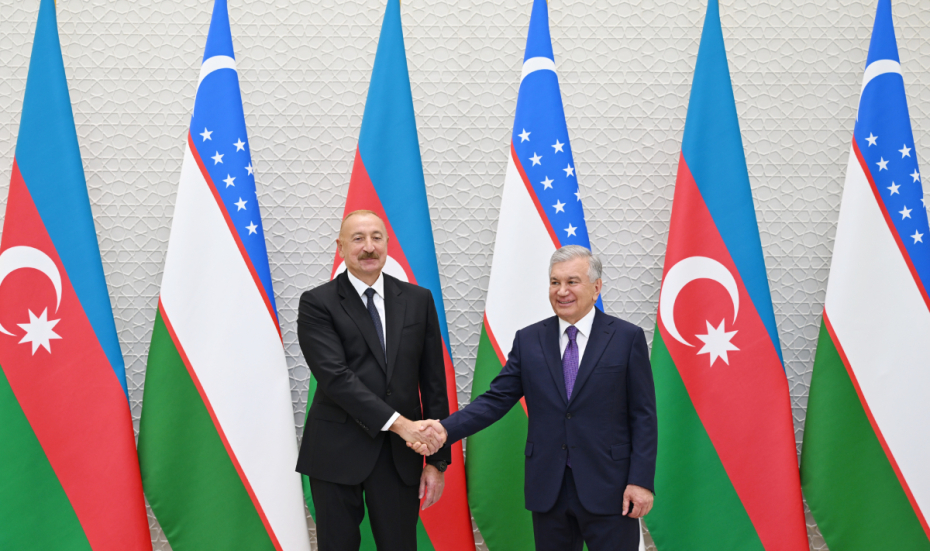
Azerbaijan and Uzbekistan have elevated bilateral ties with a Treaty on Eternal Friendship signed by Presidents Ilham Aliyev and Shavkat Mirziyoyev in Tashkent on 23 August. The leaders also agreed to expand trade, investment, transport, and regional cooperation.
During his state visit to Uzbekistan, President Ilham Aliyev and First Lady Mehriban Aliyeva were welcomed by Uzbek President Shavkat Mirziyoyev and his wife, Ziroatkhon Mirziyoyeva.
Aliyev and Mirziyoyev later held talks focused on turning the countries’ strategic partnership into major economic and infrastructure projects.
“We have brought our bilateral relations to an absolute historic peak,” Mirziyoyev said, describing the treaty as a major milestone in relations between the two countries.
Mirziyoyev said mutual trade had tripled over the past five years, with the two sides targeting at least $1 billion in annual trade turnover.
“The basis for this is accelerating the process to reach that trade turnover. We must reach it,” he said.
Aliyev said around $160 million of the fund had already been allocated and described the Uzbek-Azerbaijani fund as “the most effective and result-oriented.”
He said planned investments in Uzbekistan's tourism sector alone could reach $5 billion, alongside major hotel and residential projects in Tashkent.
The leaders also focused on expanding transport and transit links through the Caspian Sea.
Mirziyoyev called for faster development of a joint Caspian shipping fleet and proposed creating a dedicated Uzbek-Azerbaijani corridor with a single operator.
Aliyev said Azerbaijan's shipyard was operating at full capacity, with around 10 vessels under construction, and called for an Uzbek transit ferry to be prioritised.
The Azerbaijani President also said work on the Zangezur Corridor was advancing, with the main Azerbaijani section expected to be completed next year and construction underway on the Nakhchivan section.
Aliyev thanked Uzbekistan for its role in the reconstruction of Garabagh, highlighting the Mirzo Ulugbek School in Fuzuli and a garment factory in Khankendi.
“Creating jobs, especially for women in the Garabagh region, is of immense importance right now,” Aliyev said.
The two countries also plan to expand cooperation in automotive manufacturing, agriculture, education, culture and sports.
Mirziyoyev proposed a joint film about poets Nizami Ganjavi and Alisher Navoi, as well as a “Two Countries- One Championship” programme around the upcoming World Youth Football Championship.
Azerbaijan joins Central Asian format
The leaders also highlighted Azerbaijan's participation in the Consultative Meetings of Central Asian States.
Aliyev thanked Mirziyoyev for his role in facilitating Azerbaijan's full participation in the format, calling it a major strategic development.
“Both of us, naturally, know well the enormous role you personally played in ensuring Azerbaijan’s full participation in this format,” Aliyev said.
Mirziyoyev said Azerbaijan's participation was helping create a closer connection between Central Asia and the South Caucasus, describing the process as the formation of “a unified, self-sufficient macro-region with powerful potential for mutual development.”
Hikmat Hajiyev, Assistant to the President of Azerbaijan said the relationship between Azerbaijan and Uzbekistan had evolved from a strategic partnership to an alliance.
“Azerbaijan-Uzbekistan relations have already reached the level of a strategic alliance. Following the first contacts between the two Presidents, Uzbekistan-Azerbaijan ties have entered a new chapter, a new level,” Hajiyev said in an interview with journalists in Tashkent.
Hajiyev said the two countries' relationship now reflected an “eternal friendship”, describing it as a landmark development in Azerbaijan's diplomatic history.
He also highlighted the historical and cultural ties between the two peoples, saying the new treaty had brought those longstanding bonds into the political sphere.
Russia is willing in principle to resume peace talks with Ukraine and the United States in November, Kremlin aide Yuri Ushakov said after President Vladimir Putin met U.S. special envoy Steve Witkoff in St Petersburg.
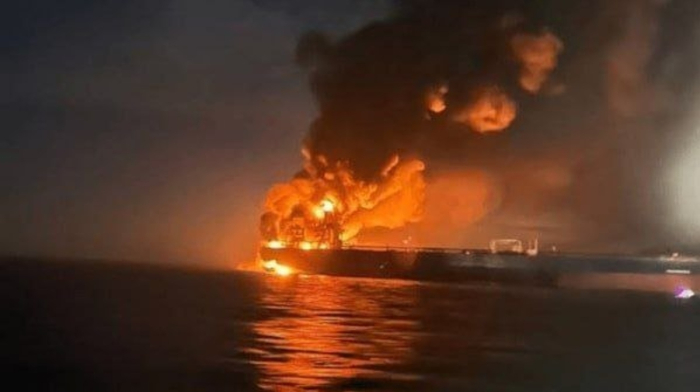
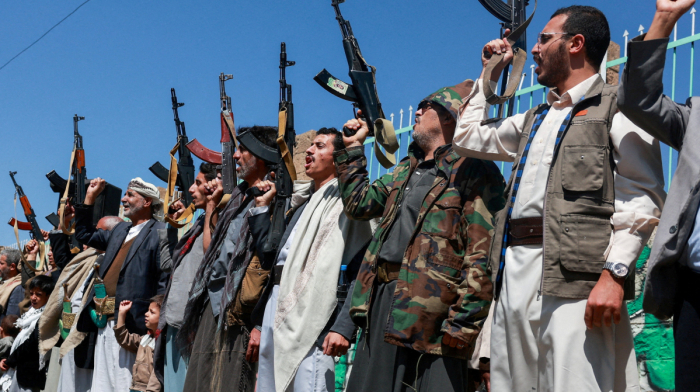
Saudi Aramco has ordered staff to evacuate its headquarters amid escalating Houthi attacks on the kingdom. Two people were killed in an attack on Dammam airport, while Iran's IRGC Navy claimed strikes on seven vessels and warned the U.S. of a wider response.
Yemen's Houthis have denied targeting the holy city of Medina on Wednesday adding that they have not conducted any military operations towards Saudi Arabia either, denying earlier comments from the Saudi-led coalition in Yemen.
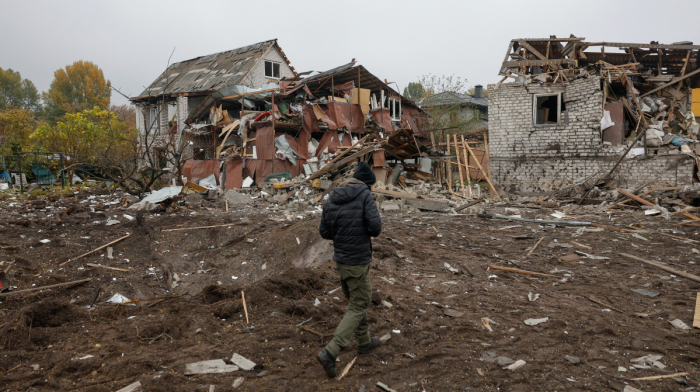
Russian strikes on Ukraine overnight killed at least two people and injured 15 others, including two children, Ukrainian authorities said. Meanwhile, Russia said it had intercepted the vast majority of 630 Ukrainian drones launched towards Moscow.
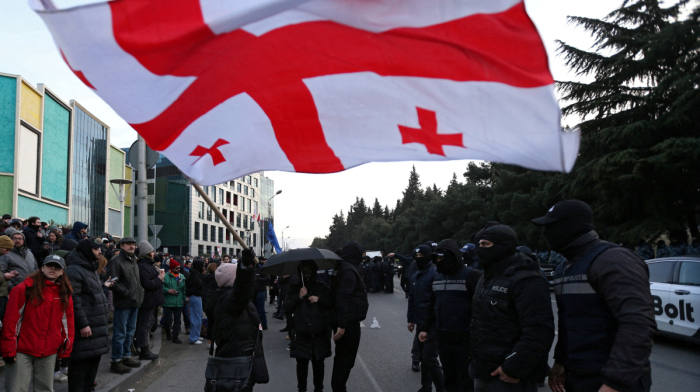
Georgia’s Constitutional Court in Batumi will on Wednesday hear a lawsuit seeking to ban five Georgian opposition parties, four of which collectively gained 784,820 votes (37.79 per cent) in the country’s last national elections in 2024.
Saudi Aramco has ordered staff to evacuate its headquarters amid escalating Houthi attacks on the kingdom. Two people were killed in an attack on Dammam airport, while Iran's IRGC Navy claimed strikes on seven vessels and warned the U.S. of a wider response.
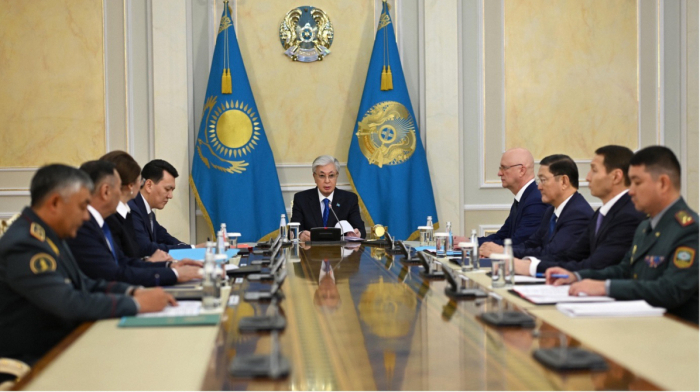
Kazakhstan is preparing sweeping military reforms after 14 service members died during exercises in the Caspian Sea. President Kassym-Jomart Tokayev approved the plans on 21 October, with major changes to training, oversight and defence capabilities set to begin in 2027.
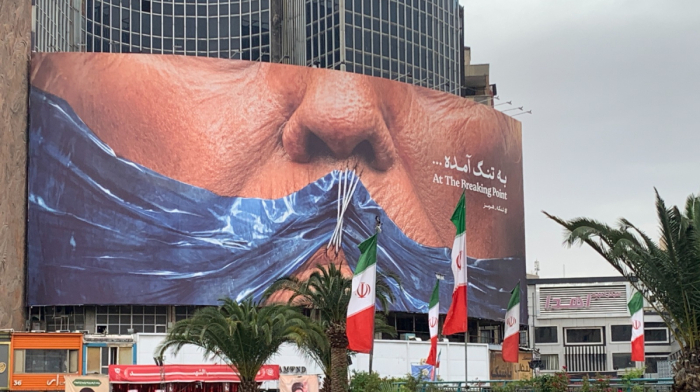
Iranian officials have stepped up warnings of retaliation amid the threat of renewed U.S.-Israeli strikes, while signalling that a diplomatic solution remains possible if Washington demonstrates a sincere commitment to rebuilding trust.
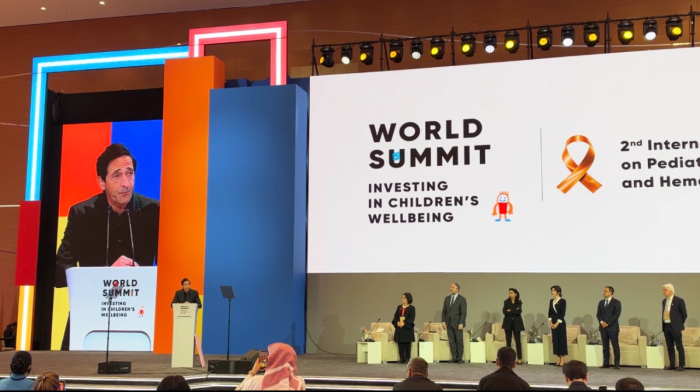
Investing in children means more than funding schools and hospitals. At a major international summit in Samarkand, Uzbekistan, leaders and experts called for a joined-up approach to healthcare, education and social protection to improve children's lives.
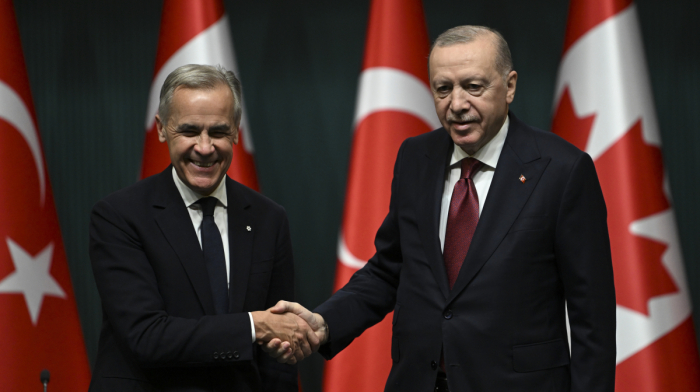
Canadian Prime Minister Mark Carney and Turkish President Recep Tayyip Erdoğan have unveiled a strategic partnership to deepen trade, defence and energy ties, marking a major step in relations between the two NATO allies.
Download the AnewZ app
You can download the AnewZ application from Play Store and the App Store.












What is your opinion on this topic?
Leave the first comment