Energy transition, private sector development and regional cooperation are in focus at the Asian Development Bank’s 59th Annual Meeting in Samarkand, highlighting Central Asia’s growing role in regional and global economic dynamics.
A central topic of the forum is the ADB’s plan to mobilise $70 billion by 2035 to strengthen energy and digital connectivity across Asia and the Pacific.
The programme includes $50 billion for cross-border power systems under the Pan-Asia Power Grid Initiative and $20 billion for digital infrastructure. It aims to build around 22,000 kilometres of transmission lines, enabling renewable energy trade, improving energy security and lowering costs across the region.
In 2024 alone, ADB financing for clean energy reached $2.8 billion, supporting solar, wind and grid modernisation projects, while the Bank continues to move away from coal in line with its low-carbon strategy.
In Uzbekistan, ADB-backed projects already include renewable energy development, grid upgrades and battery energy storage systems.
The country is also advancing its first nuclear power project in the Jizzakh region, with ADB expressing readiness to support related infrastructure and broader energy system development in line with its policies.
Investment and private sector growth
Private sector investment is emerging as a key driver of economic expansion. In 2025, Uzbekistan attracted $43.1 billion in total investment, marking a 24% increase, with $38.2 billion coming from foreign direct investment.
Investment is concentrated in sectors such as renewable energy, manufacturing, chemicals and digital technologies, supported by ongoing privatisation reforms and efforts to expand market access.
As part of this strategy, Uzbekistan is developing the Tashkent International Financial Centre (TIFC), which is expected to attract up to $20–25 billion by 2030, contribute to GDP growth and create thousands of skilled jobs.
Alongside this, the Enterprise Uzbekistan digital hub aims to create more than 300,000 jobs and generate up to $5 billion in exports, focusing on artificial intelligence, data infrastructure and innovation. The introduction of Islamic finance instruments is also expected to broaden access to capital and attract new sources of investment.
Regional investment momentum
Across Central Asia, investment flows continue to rise, driven by large-scale energy, infrastructure and industrial projects. Kazakhstan has attracted more than $17 billion in recent foreign investment, while Uzbekistan is increasingly positioning itself as one of the region’s key investment destinations.
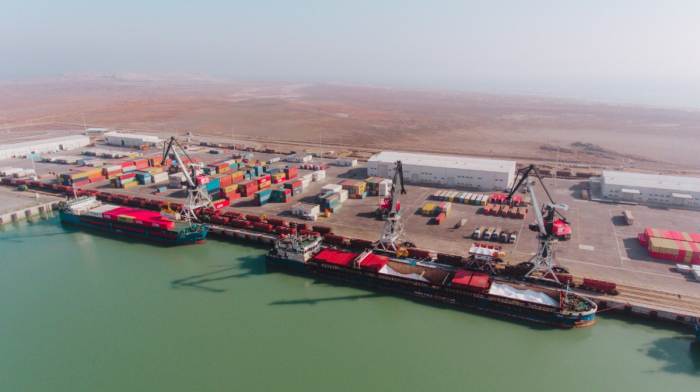
Strengthening connectivity, both in energy systems and transport corridors, remains a priority, particularly for landlocked economies seeking to expand trade routes and reduce logistical costs.
Outlook
Discussions in Samarkand point to a broader shift towards sustainable energy, deeper regional integration and private sector-led growth, as countries in Central Asia seek to strengthen resilience and accelerate long-term development.















What is your opinion on this topic?
Leave the first comment