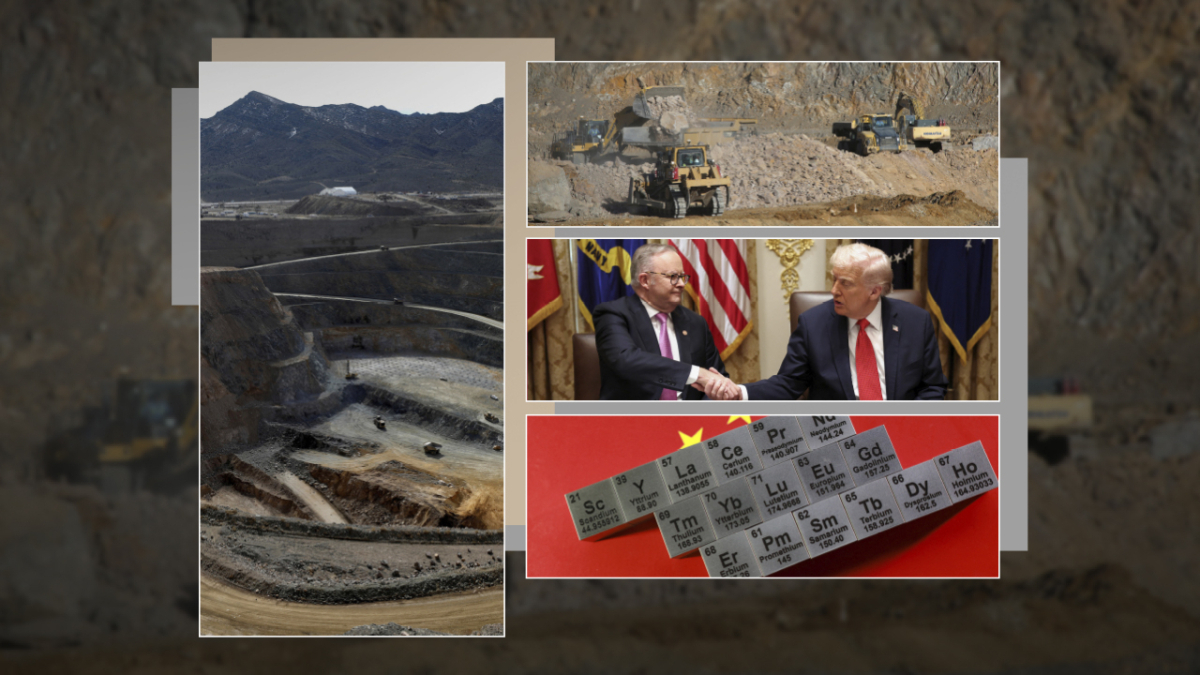
The U.S., EU and their allies are racing to secure supplies of rare earth elements - essential materials for electric vehicles, wind turbines and advanced technologies - as China maintains a dominant position in processing.
With demand rising and supply chains highly concentrated, access to these resources is becoming a central geopolitical priority.
Rare earth elements are a group of 17 metals with unique magnetic and electrical properties, widely used in smartphones, microchips, wind turbines and electric vehicles, particularly in permanent magnets that power EV motors and renewable energy systems.
Despite their name, these elements are not actually scarce. For example, neodymium exists at around 20 parts per million in the Earth’s crust, while copper is at 27. However, they are difficult and costly to extract because they are widely dispersed and chemically complex.
Demand has surged alongside the rapid growth of artificial intelligence, electrification, and clean energy systems. According to the International Energy Agency (IEA), demand for key magnet rare earths such as neodymium and dysprosium has already doubled since 2015 and is expected to rise by another third by 2030.
China’s dominance and supply risks
While rare earth resources are geographically widespread, supply chains remain heavily concentrated. China dominates not only mining but, more importantly, refining and processing - the stages that make these materials usable for high-tech manufacturing.
China is estimated to hold around 44 million tonnes of rare earth reserves, followed by Brazil with approximately 21 million tonnes and Australia with about six million tonnes.
USGS
China accounts for around 60% of global mined production and more than 90% of processing for some rare earths, with its share even higher in certain materials.
This creates structural dependence, as many countries rely on Chinese facilities not only for raw materials but also for converting them into components used in high-tech manufacturing.
Global mining activity is also concentrated in a limited number of countries, with Australia, Indonesia and Chile among the key players in critical mineral extraction and supply chains.
This imbalance has raised serious concerns. A U.S. government report warned that failing to secure supply chains could cause “defence production to grind to a halt and choke off manufacturing of other advanced technologies.”
Efforts to diversify supply
The United States is working to reduce its dependence on China by strengthening partnerships with resource-rich countries. It has signed a joint statement with Chile to deepen cooperation on critical minerals and is also in talks with Brazil on broader supply chain agreements involving billions of dollars in potential investments.
At the same time, Washington is proposing structural changes to the market, including plans for a preferential trade bloc for critical minerals and coordinated pricing mechanisms. U.S. Vice President JD Vance said: “We will establish reference prices for critical minerals… to uphold pricing integrity.”
These efforts come amid broader global tensions over critical mineral supply chains and an upcoming U.S.-China summit.
However, allies are not fully aligned on how to counter China’s dominance.
Japan, France, and Canada are exploring alternative approaches within the G7 framework. Proposed measures include import quotas on certain rare earths, subsidies for mining projects, and the creation of a Canada-led "buyers’ club" to secure long-term supply agreements outside China.
Canada has already moved forward, signing 30 agreements with 12 countries worth C$12.6 billion, bringing total investments in the sector to around C$18 billion since October.
Japan is also encouraging its industries to support alternative supply chains, even if they are more expensive.
France, meanwhile, has proposed quota systems and mandatory diversification requirements for companies, signaling a more interventionist approach to supply security.
These differences highlight growing divergence within Western alliances over how to manage supply chain risk and industrial policy.
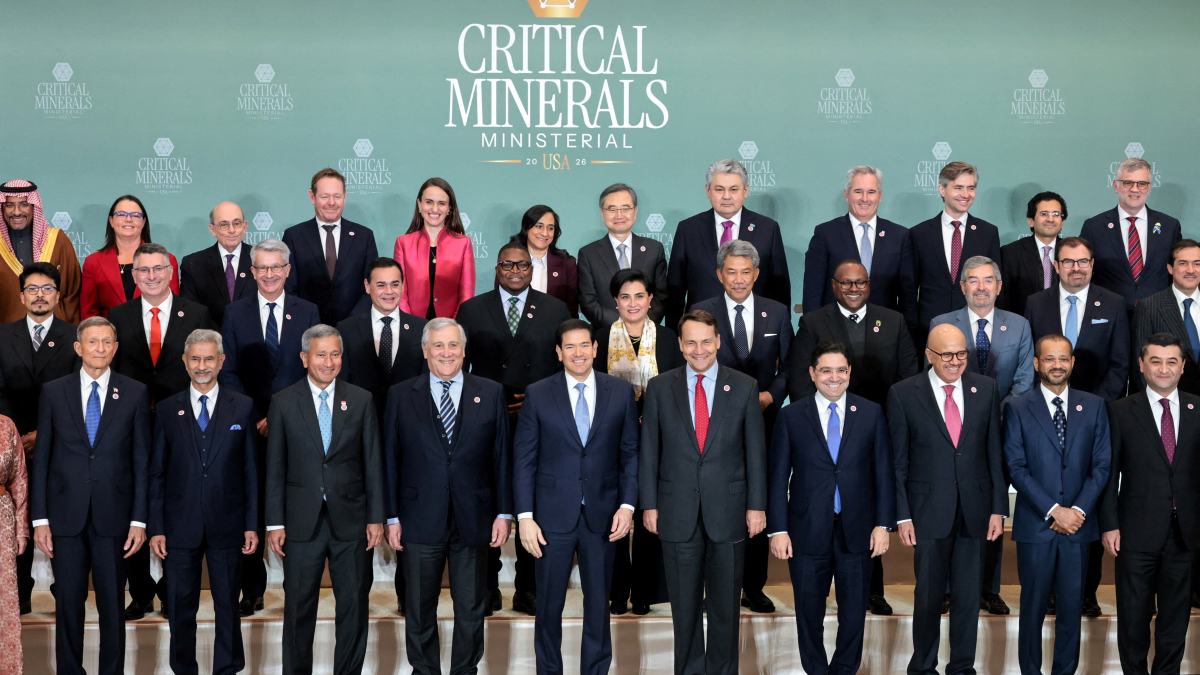
U.S. Secretary of State and other government officials pose for a family photo on the day of the Critical Minerals Ministerial in Washington D.C., U.S., 4 February, 2026.
Reuters
EU and Australia seek alternatives
The European Union remains highly dependent on China for rare earth magnets and is working to reduce this vulnerability by strengthening cooperation with partners such as the United States and Australia.
In 2020, the European Commission launched the European Raw Materials Alliance to address challenges in the critical raw materials supply.
A proposed EU- U.S. framework, reported by Bloomberg, includes coordinated investments, shared standards, and joint responses to supply disruptions. It also aims to improve resilience against external shocks affecting critical mineral flows.
The EU and Australia have also signed a free trade agreement after eight years of negotiations, removing tariffs on most goods and improving access to Australian critical minerals.
European Commission President Ursula von der Leyen stated: “The EU and Australia may be geographically far apart but we couldn't be closer in terms of how we see the world.”
Australia is simultaneously expanding mining and processing capacity and building a strategic reserve of rare earths, though officials acknowledge that scaling production to match China will take decades.
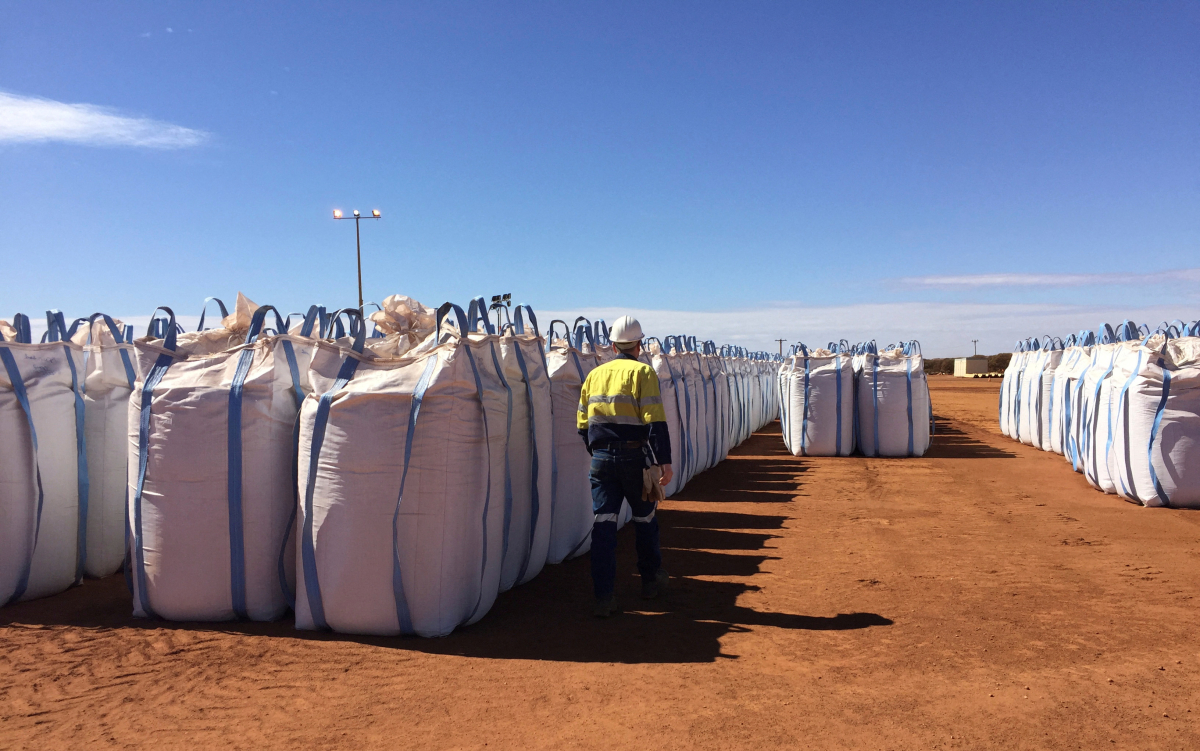
A Lynas Corp worker walks past sacks of rare earth concentrate waiting to be shipped to Malaysia, at Mount Weld, northeast of Perth, Australia, 23 August, 2019.
USGS
Growing demand and environmental challenges
Despite rising demand, supply growth remains uncertain. The IEA notes that investment growth slowed to 5% in 2024, down from 14% the previous year, while exploration activity has plateaued. High costs, regulatory barriers, and long development timelines continue to constrain new projects.
At the same time, the world is entering a 'global battery race,' driven by EVs and energy storage technologies, increasing pressure on already constrained supply chains.
Rare earth production also presents environmental challenges. Processing often involves toxic chemicals and can generate radioactive waste, making it difficult in countries with strict environmental standards. This has contributed to China’s cost advantage.
Recycling is emerging as a potential solution. It could reportedly reduce the need for primary extraction by up to 35% by 2050. Advances in recycling technology and stronger circular economy policies are improving prospects for recovering rare earth materials from used electronics and magnets.
Strategic outlook
Rare earth elements have become central to global competition over technology, energy systems, and industrial capacity. As countries attempt to diversify supply chains and reduce dependence on China, these materials are increasingly shaping economic alliances and industrial strategy.
Although resources are geographically widespread, control over processing capacity determines real influence. As demand continues to grow, critical minerals are increasingly viewed as a core pillar of 21st-century economic and geopolitical power.
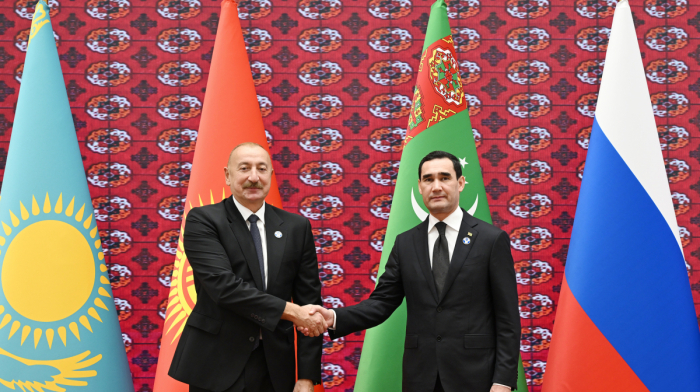
Leaders of countries from the Commonwealth of Independent States (CIS) have agreed to hold coordinated population censuses around 2030. They took the decision at the CIS Council of Heads of State meeting in Awaza, Turkmenistan on Friday, media reported.
A powerful explosion has been reported at King Khalid International Airport in Riyadh, raising fresh concerns over aviation security in Saudi Arabia as tensions across the region continue to escalate.
Britain and Israel have reached a temporary compromise over the future of the British Consulate General in East Jerusalem, easing a diplomatic dispute that had threatened to further strain relations between the two countries.
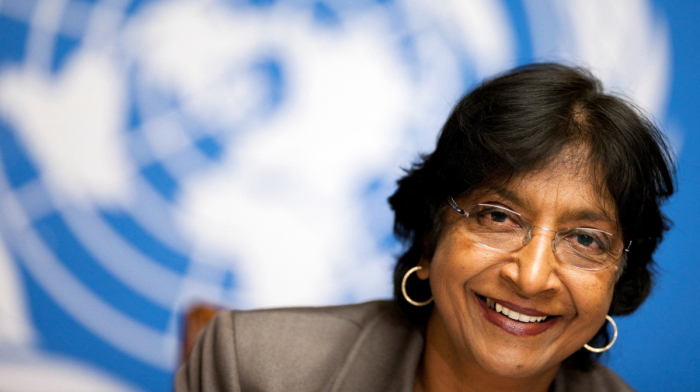
South African judge Navanethem “Navi” Pillay won the Nobel Peace Prize on Friday “for her efforts to promote peace and international law,” the Norwegian Nobel Committee said.
The U.S. has imposed sanctions on the International Criminal Court (ICC) on Friday (9 October) escalating tensions with European allies and potentially targeting companies that provide services to the tribunal. The move came hours after former ICC judge Navi Pillay won the Nobel Peace Prize.
Indian police detained more than 2,000 protesters in Delhi on Saturday as authorities blocked a planned demonstration calling for the resignation of Chief Election Commissioner Gyanesh Kumar over disputed changes to voter lists.
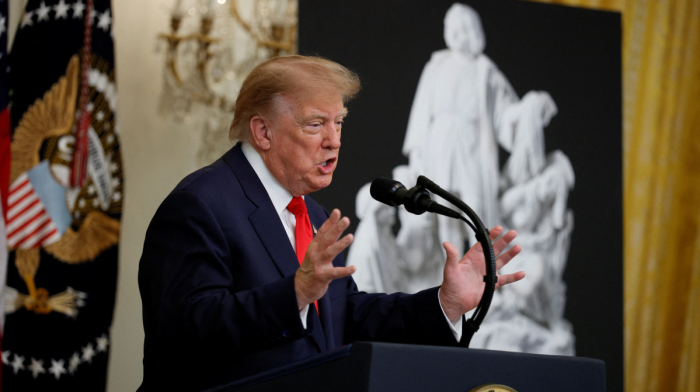
At least 12 people, including three children, have been killed in a Russian attack on the Ukrainian city of Zaporizhzhia, a day after U.S. President Donald Trump announced a deal to ease sanctions on Russian diesel.
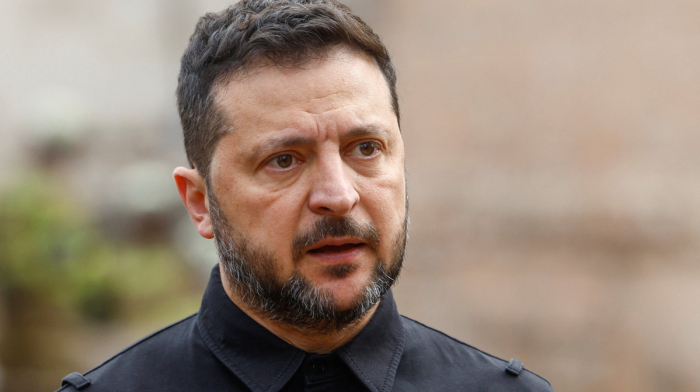
Ukrainian President Volodymyr Zelenskyy has criticised U.S. President Donald Trump’s decision to ease sanctions on Russian diesel exports, questioning why Moscow was granted an economic benefit without an apparent concession towards ending the war in Ukraine.
Russian President Vladimir Putin expressed surprise after Donald Trump mediated the Armenia-Azerbaijan peace agreement in 2025, the U.S. President said at a rally in New York state on Friday.
The United Nations has condemned a sharp rise in attacks on civilians in Ukraine, reporting that more than 100 people were killed and at least 429 injured in a single week as Russian strikes hit residential areas, passenger buses and critical infrastructure.
Download the AnewZ app
You can download the AnewZ application from Play Store and the App Store.















What is your opinion on this topic?
Leave the first comment