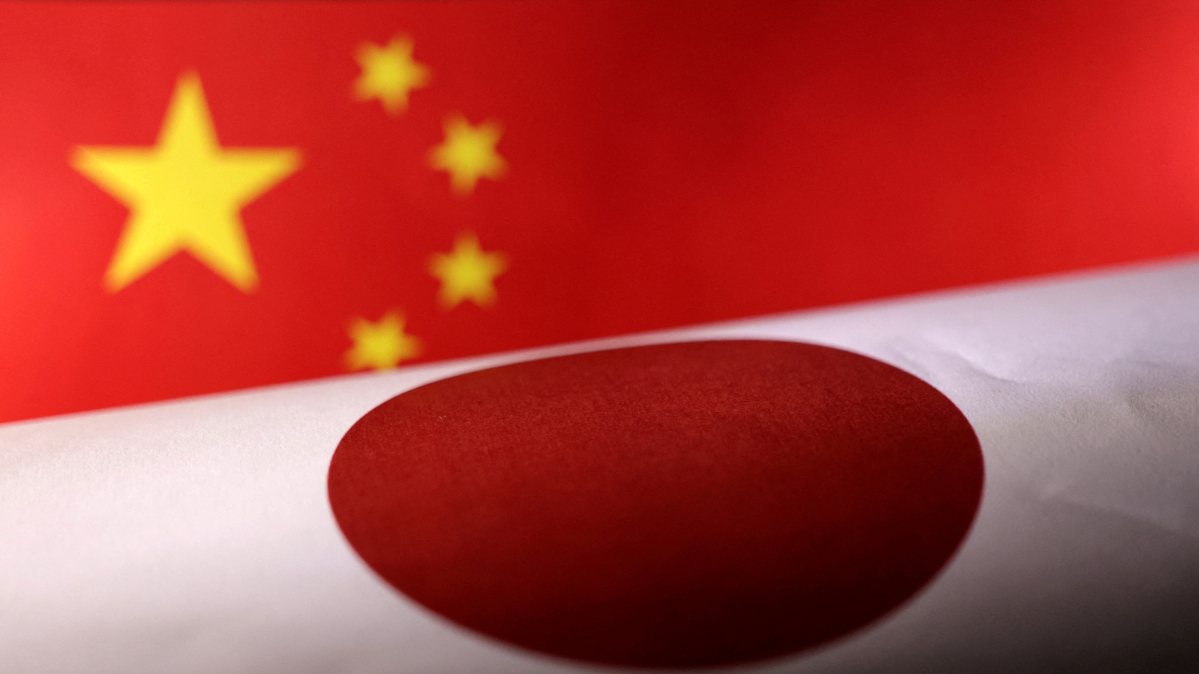
Diplomatic tensions between Tokyo and Beijing escalated as Japan slams China's export ban on dual-use goods. Markets have wobbled as fears grow over a potential rare earth embargo affecting global supply chains.
Japan said on Wednesday that China's ban on exports of dual-use items to the country was "absolutely unacceptable and deeply regrettable", as a diplomatic dispute between Asia's top two economies intensified.
Dual-use items refer to goods, software, or technologies—such as advanced sensors, carbon fibre, and guidance systems—that serve both civilian and military purposes including certian rare earth elements. These components are critical for the production of everything from smartphones to ballistic missiles.
The dispute signals a potentially volatile shift in East Asian geopolitics, with global supply chains for advanced technology now caught in the crossfire.
"A measure such as this, targeting only our country, differs significantly from international practice," Japan's Chief Cabinet Secretary Minoru Kihara told a press conference.
While Kihara declined to quantify the immediate damage, the implications for Japanese industry are severe.
The ban is widely viewed as a direct retaliation against Japanese Prime Minister Sanae Takaichi. Takaichi ignited the diplomatic firestorm late last year by asserting that a Chinese invasion of Taiwan would constitute an "existential threat" to Japan - a statement implying that Tokyo would militarily assist the United States in defending the democratically governed island.
Beijing, which claims Taiwan as its own territory, has demanded a retraction. Takaichi has refused, leading to a cascade of economic countermeasures.
Specter of a resource war
The immediate ban on dual-use goods has spooked investors, but the greater fear is that Beijing may deploy its "nuclear option" in trade warfare: a stranglehold on rare earth elements.
China Daily, a state-run outlet, reported on Tuesday that Beijing is reviewing stricter export licensing for rare earths destined for Japan. These 17 minerals are indispensable for high-tech manufacturing, powering electric vehicle (EV) motors, wind turbines, and precision-guided weaponry.
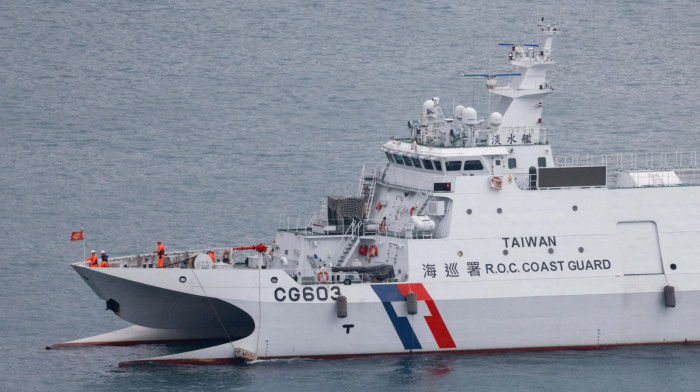
Despite Japan's decade-long effort to diversify supply chains following a similar Chinese embargo in 2010 - sparked by a collision between a Chinese trawler and Japanese coast guard vessels—the country remains heavily reliant on its neighbour. Approximately 60% of Japan's rare earth imports still originate from China.
Economists are warning of significant headwinds. A three-month disruption similar to the 2010 incident could cost Japanese businesses 660 billion yen (£3.4 billion) and shave 0.11% off the annual gross domestic product (GDP), according to Takahide Kiuchi, an economist at the Nomura Research Institute. A year-long ban could see that impact quadruple.
Markets react
The escalation has already rattled the Tokyo Stock Exchange. The Nikkei index fell approximately 1% on Wednesday, defying a global rally that saw U.S. and European benchmarks hit record highs.
Crucially, the sell-off targeted Japan's military-industrial base. Shares in heavyweights such as Kawasaki Heavy Industries and Mitsubishi Heavy Industries - companies likely to be hardest hit by a ban on dual-use component imports - dropped by roughly 3%.
Geopolitical triangle
The standoff places the United States in a delicate position. U.S. President Donald Trump, who recently brokered a fragile trade truce with Chinese President Xi Jinping, is reportedly urging caution.
Sources told Reuters that Trump, who is scheduled to visit Beijing in April, has privately asked Prime Minister Takaichi to avoid further escalation. However, Takaichi’s domestic popularity appears resilient, with polls suggesting the Japanese public backs her firm stance against perceived Chinese coercion.
Analysts suggest the current freeze in relations mirrors the 2012 crisis over the nationalisation of the Senkaku Islands (known as Diaoyu in China), which froze high-level diplomatic contact for more than two years.
"I think this will drag on for quite a while. President Xi seems a bit angry," Keita Ishii, President of trading giant Itochu Corp, noted in a television interview, summarising the gloomy sentiment now permeating Japan’s business community.
With Beijing urging its citizens to boycott Japanese travel and seafood, and Tokyo refusing to back down on the Taiwan issue, Asia’s two largest economies appear to be bracing for a long, cold diplomatic winter.

















What is your opinion on this topic?
Leave the first comment