As the year draws to a close, Central Asia has taken a significant step towards deeper regional integration by formally bringing Azerbaijan into its decision-making framework. The move signals a broader shift towards political and economic coordination across Eurasia.
What had long been close cooperation has, over the past year, evolved into a more structured regional partnership with potential long-term geopolitical implications.
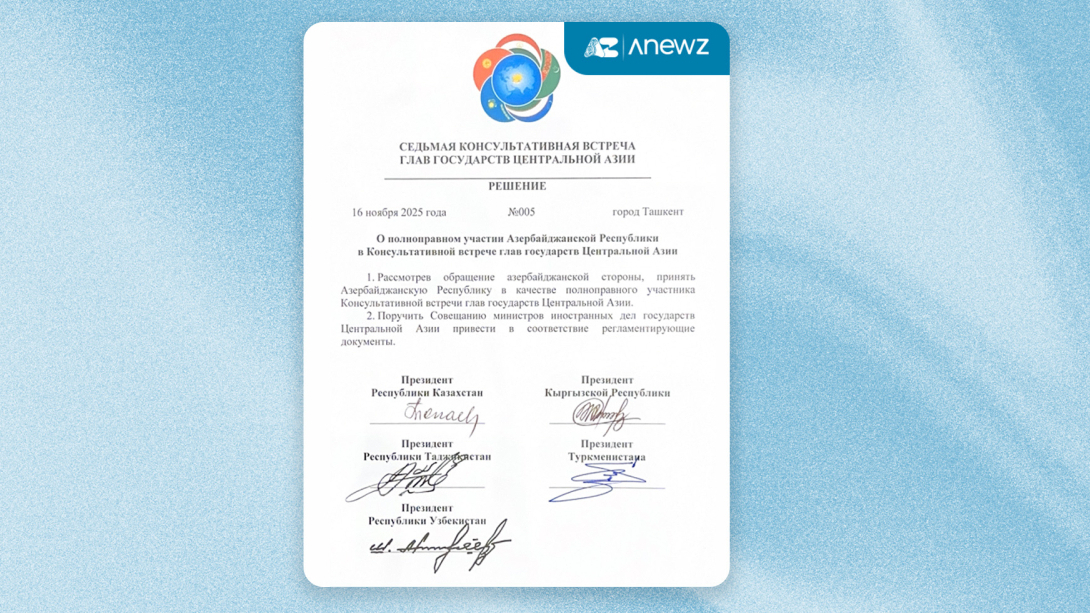
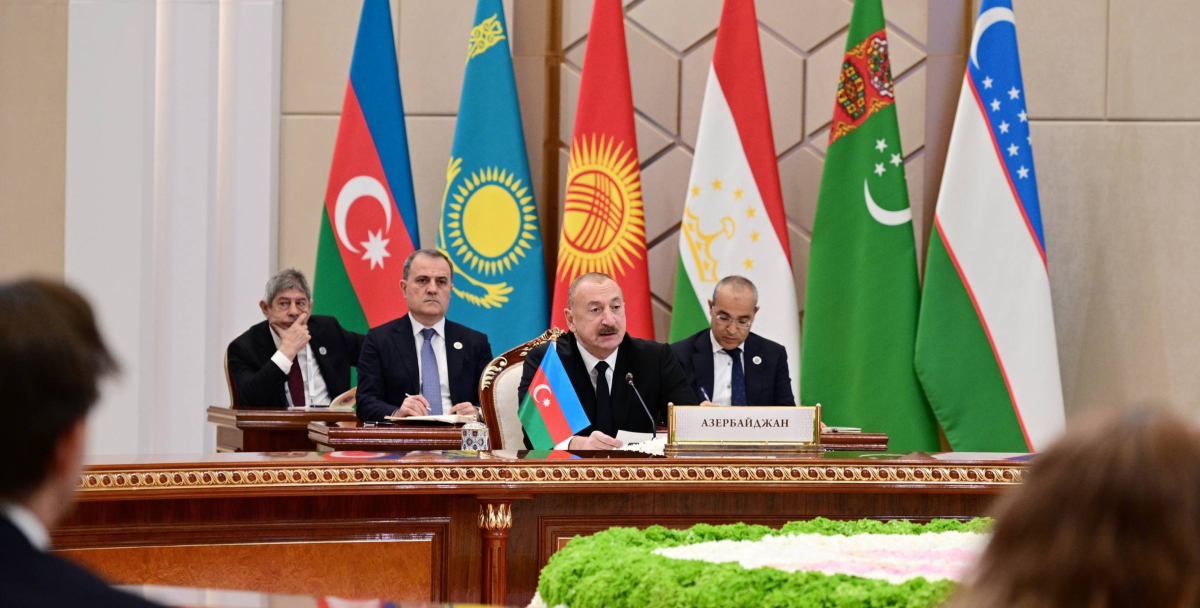
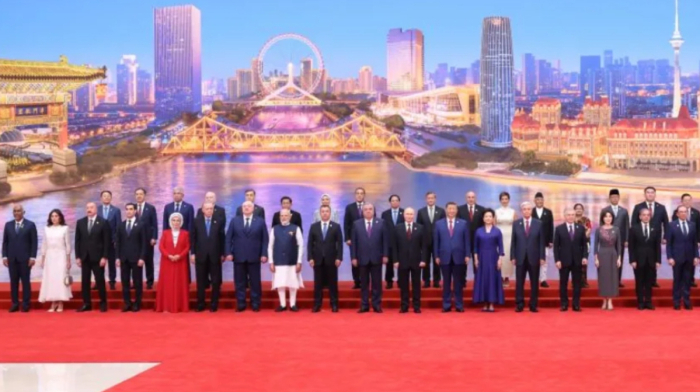
In November, Azerbaijan became a full member of the Consultative Meetings of Heads of State of Central Asia, following approval at the group’s seventh summit in Tashkent on 16 November.
The presidents of Kazakhstan, Kyrgyzstan, Tajikistan, Turkmenistan and Uzbekistan endorsed the decision, instructing their foreign ministers to update the necessary regulatory and institutional documents.
Azerbaijan as a strategic bridge
The move expands the framework beyond its traditional five Central Asian states, formally linking the region with the South Caucasus and reflecting a widening regional outlook.
Azerbaijan is now set to participate in meetings at all levels of the format, from heads of state to ministerial and institutional discussions, while continuing its existing regional engagements.
Speaking at the summit, President Ilham Aliyev said:
"Today, Azerbaijan and Central Asia serve as a vital link and bridge between East and West, North and South. The development of the Middle Corridor is of strategic importance for our countries.
Over the past three years, cargo transportation along the Middle Corridor through Azerbaijan has increased by 90 percent. Transit time along the corridor has significantly reduced."
President Ilham Aliyev highlighted Azerbaijan’s role as a transport and logistics hub, pointing to the Middle Corridor as a key route linking Asia and Europe.
Connectivity, security and trade
Throughout the year, regional leaders have placed increasing emphasis on infrastructure and connectivity projects, including the Middle Corridor, the proposed Zangezur transport route and a Caspian fibre-optic cable aimed at strengthening digital links with Europe.
Security strategies covering the period from 2026 to 2028 and new plans for industrial cooperation were also adopted, pointing to a more institutionalised approach to regional coordination.
Officials say Azerbaijan’s experience and its links through the Organisation of Turkic States have contributed to the momentum behind the expanded framework.
By the end of the year, trade between Azerbaijan and Central Asian states had reached $10.7bn, while investment volumes were up 17%, reinforcing expectations that the evolving partnership could give the region a more coherent and influential role on the international stage.










What is your opinion on this topic?
Leave the first comment