live Oil climbs past $119 a barrel as Iran crisis squeezes global supply - Monday 9 March
Global oil prices continue to rise, currently surpassing $119 a barrel this Monday, an almost four year high following fresh U.S.-Israeli...
Russian grain is once again moving by rail to Armenia along a route that had been closed for decades. The latest freight train departed from Baku on 9 March carrying hundreds of tonnes of grain.
The train consisted of seven wagons carrying a total of 488 tonnes of grain.
To date, more than 21,000 tonnes of grain have been transported from Russia to Armenia in transit through Azerbaijani territory. This volume has been delivered to its destination in a total of 302 wagons.
In addition, 610 tonnes of fertiliser have been transported along the same route in nine wagons.
The previous shipment, on 4 February, consisted of eight wagons carrying 560 tonnes of Russian grain to Armenia via Azerbaijani territory.
After leaving Azerbaijan, the train will cross into Georgia through the Boyuk Kasik station before continuing onward to Armenia.
The move follows Azerbaijani President Ilham Aliyev’s decision in October 2025 to lift transit restrictions on cargo destined for Armenia, which had been in place during the period of Armenian occupation of Azerbaijani territories. Since then, both direct and transit rail shipments along the route have operated smoothly.

Trump says the United States "don’t need people that join wars after we’ve already won," targeting his criticism at UK Prime Minister Keir Starmer. Israel continues to fire missles at strategic sites in Iran and Gulf regions report more strikes from Iran.
Global oil prices continue to rise, currently surpassing $119 a barrel this Monday, an almost four year high following fresh U.S.-Israeli strikes targeting oil depots. Stock markets shares slumped on fears the conflict with Iran could disrupt shipments through the Strait of Hormuz.
U.S. President Donald Trump threatened further attacks on Iran on Saturday (7 March), while the United Arab Emirates and Saudi Arabia continued to shoot down missiles in their airspace. Meanwhile, Iran’s President Masoud Pezeshkian said Tehran would stop attacking its neighbours.
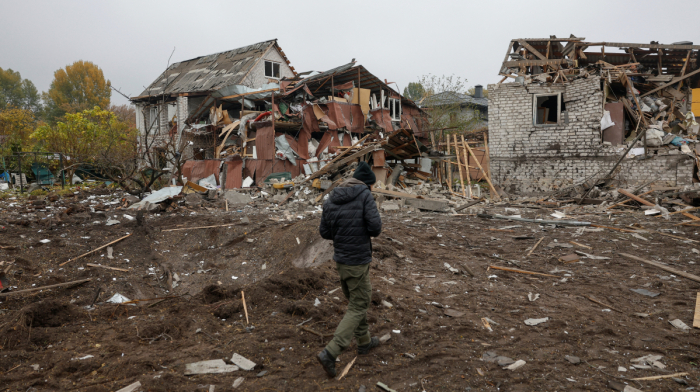
Russian attacks on Ukraine’s second largest city in the early hours of Saturday (7 March) killed 10 people, including two children. Kharkiv mayor, Ihor Terekov, said 10 residents died after a Russian ballistic missile hit a five storey apartment block in the city.
Mojtaba Khamenei, son of the late Ayatollah Ali Khamenei, is a hardline cleric with strong backing from the Islamic Revolutionary Guard Corps. His rise signals continuity in Tehran's anti-Western policies.
Kazakhstan has evacuated more than 7,300 citizens from the Middle East since regional tensions escalated, using both air and land routes to bring nationals home while closely monitoring political developments and potential economic effects linked to rising oil prices.
Istanbul’s mayor, Ekrem İmamoğlu, has appeared in court on Monday alongside 400 co-defendants in a sprawling corruption case that critics say is designed to derail his political ambitions. The charges allege a network of corruption and organised crime linked to the mayor’s office.
Iranian civilian and military officials have pledged their obedience to the new leader, Ayatollah Seyed Mojtaba Khamenei, with President Masoud Pezeshkian saying his leadership “will herald a new era of dignity and authority for the Iranian nation.”.
Entry and exit across the state border between Azerbaijan and Iran for all types of cargo vehicles, including those in transit, will resume on 9 March, according to a statement by the Cabinet of Ministers of Azerbaijan.
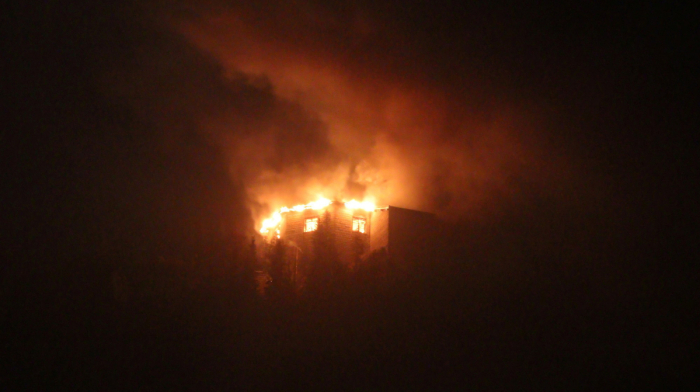
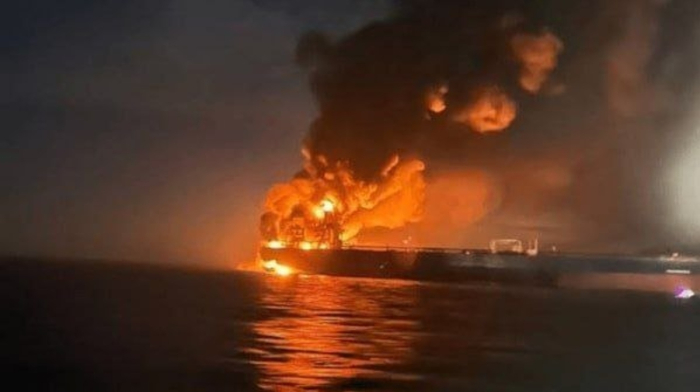
Bahrain’s state-owned oil company Bapco has declared force majeure after an attack set the country’s only refinery ablaze. The firm says domestic supplies remain secure, but operations are disrupted by the ongoing Middle East conflict, underscoring regional energy risks.
You can download the AnewZ application from Play Store and the App Store.
What is your opinion on this topic?
Leave the first comment