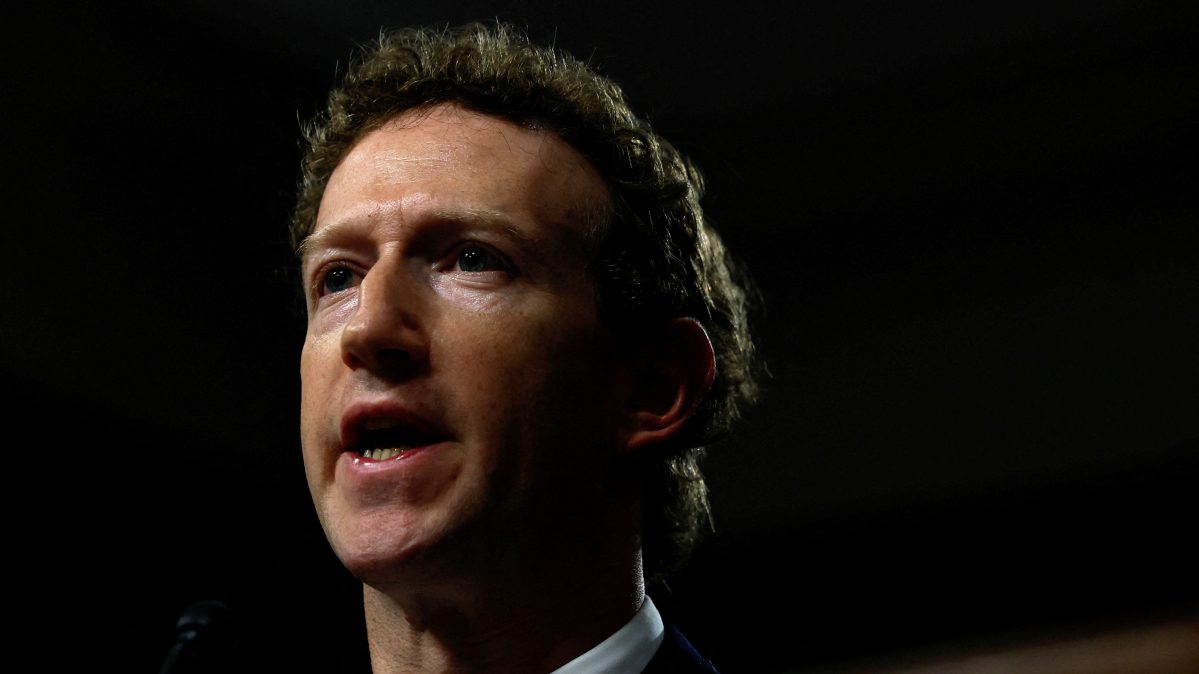
Meta Chief Executive Mark Zuckerberg is expected to testify in a high-profile trial in Los Angeles examining claims that the company’s platforms contributed to youth addiction and mental health harm.
Opening statements in the landmark social media addiction trial began on 9 February 2026 in Los Angeles, formally launching proceedings against Meta’s Instagram and Google’s YouTube over allegations that their platforms contributed to harm among young users.
The case was filed in 2023 by a woman identified in court documents as KGM, who is now 20. She alleges that she began using Instagram at age nine and that her early and prolonged use of social media contributed to addictive behaviour and mental health struggles, including depression, suicidal thoughts and body image-related distress.
Meta Platforms and Google’s YouTube remain defendants in the case, while TikTok and Snap previously reached settlements in related claims.
Zuckerberg’s appearance will mark the first time he addresses these allegations before a jury. Although he has previously testified before Congress on youth safety concerns and publicly apologised to families who believe social media contributed to harm involving their children, this trial places those arguments directly before jurors in a civil courtroom.
A company spokesperson said the company disagrees with the claims and is confident that the evidence will demonstrate its longstanding commitment to supporting young people.
During opening statements, Meta Attorney Paul Schmidt told the court that the company does not dispute the plaintiff’s mental health struggles but argued that Instagram was not a substantial contributing factor.
He cited medical records referencing a turbulent home environment and suggested that the plaintiff used social media as a coping mechanism rather than being harmed by it. An attorney representing YouTube advanced a similar argument.
Instagram leadership already questioned
His testimony follows that of Adam Mosseri, head of Instagram, who appeared in court last week. Mosseri defended Instagram’s product design choices and rejected the idea that social media platforms create clinical addiction.
Emails presented in court showed that in 2019 company executives debated whether to lift a ban on photo filters that mimicked the effects of plastic surgery. Teams responsible for policy, communications and user wellbeing recommended keeping the ban in place while gathering additional data on potential impacts on teenage girls.
Nick Clegg, then Meta’s vice president of global affairs, warned internally that lifting the ban could lead to accusations that the company was prioritising growth over responsibility.
Mosseri and Zuckerberg ultimately supported allowing certain face-altering filters to remain available while removing them from recommendation sections and prohibiting filters that explicitly promoted plastic surgery. Internal communications described the approach as presenting a notable wellbeing risk but a lower impact on user growth.
Plaintiff attorney Mark Lanier focused questioning on cosmetic filters, algorithm-driven recommendations and the continuous scrolling format of Meta’s feeds, which plaintiffs argue are designed to maximise engagement. Mosseri told jurors that Instagram has implemented safeguards aimed at protecting younger users and maintained that long-term company interests align with user wellbeing.
A company spokesperson said it disagrees with the claims and is confident that the evidence will demonstrate its longstanding commitment to supporting young people.
Legal test and wider implications
The trial has been designated as a bellwether case, meaning its outcome could influence thousands of similar lawsuits filed across the United States. For jurors to find Meta or YouTube liable, they must determine that the companies were negligent in designing or operating their platforms and that the products were a substantial factor in causing harm.
The case is also viewed as a test of the legal protections historically afforded to online platforms under U.S. law, which shield companies from liability for user-generated content. Meta’s lawyers have referenced those protections during the proceedings and could raise them again if the company appeals an adverse verdict.
The proceedings have drawn significant public attention. Several parents who say social media contributed to their children’s deaths have attended hearings.
The trial unfolds amid increasing global scrutiny of youth access to social media. Australia recently enacted legislation prohibiting platform use for children under 16, and several European countries, including Spain, Greece, Britain and France, are considering similar measures.
Meta is also facing a separate trial in New Mexico involving allegations related to social media harms.
The outcome of the Los Angeles case could shape how courts assess corporate responsibility for platform design, algorithmic systems and youth safety protections in future litigation.




















What is your opinion on this topic?
Leave the first comment