Iran’s newly appointed supreme leader, Mojtaba Khamenei, is reportedly in good health and staying in a “safe place”, despite earlier reports that he had been injured during recent U.S.-Israel airstrikes, according to the country's president.
Speaking to ISNA, President Youssef Pezeshkian said he had confirmed with sources close to Khamenei that the 56-year-old was “doing well and there is no problem”, addressing widespread speculation over his condition since his appointment as the third supreme leader of the Islamic Republic.
Mojtaba Khamenei assumed power following the death of his father, Ali Khamenei, who was killed in an airstrike on Tehran’s leadership compound on 28 February. The strike also claimed the lives of Khamenei’s mother, wife and son, as well as several senior defence officials.
Since his appointment by the Assembly of Experts, Khamenei has remained largely out of public view.
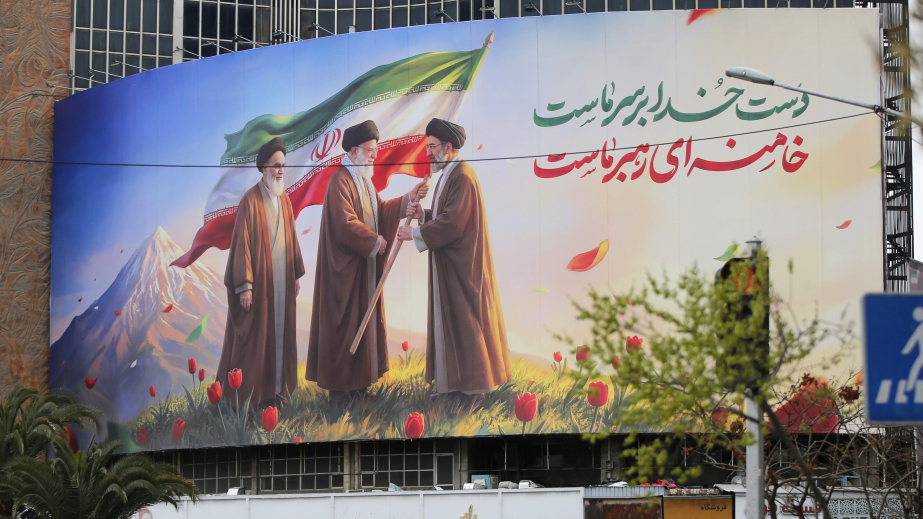
No images or direct statements have been released, although state media have referred to him as a “wounded veteran of the Ramadan war”. Official posters have also depicted him symbolically receiving the national flag from his late father.
Alleged injuries
According to anonymous Iranian officials cited by the New York Times, Khamenei sustained injuries, including to his legs, during the initial airstrike. He is reportedly sheltering in a highly secure location with limited communications.
Israeli defence officials also reportedly believe he was injured in the attack.
Analysts warn that the new supreme leader is likely to remain hidden for security reasons.
Emile Hokayem, Director of Regional Security and Senior Fellow for Middle East Security, said Khamenei is expected “to sit in a bunker for a very long time” due to the high risk of assassination, noting that killing him early would likely be an Israeli priority.
Hokayem added that Khamenei may delegate day-to-day governance to Ali Larijani and the war effort to Mohammad Bagher Ghalibaf.
Mojtaba Khamenei’s background
Despite maintaining a low public profile, Khamenei has long been regarded as a powerful behind-the-scenes figure with close ties to the Islamic Revolutionary Guard Corps (IRGC), overseeing security and military affairs under his father.
His ascent has been met with both support and opposition. Pro-government supporters have rallied in Tehran displaying his image and pledging allegiance, while some voices in the capital have chanted anti-Khamenei slogans.
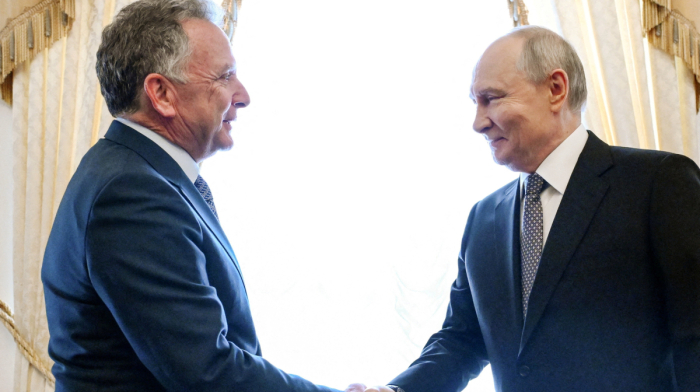
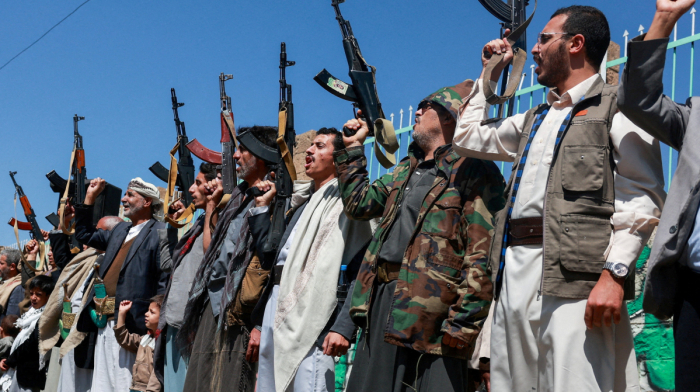
Khamenei has also received pledges of loyalty from Tehran-backed allies in the region, including the Houthi rebels and Hezbollah, as well as public support from Vladimir Putin.
U.S. President Donald Trump said Khamenei’s appointment would be “unacceptable” and that he would need Washington’s approval, although he did not specify any planned action.
Israel has reportedly prioritised Khamenei as a potential target.










What is your opinion on this topic?
Leave the first comment