ASEAN-China South China Sea deal stalls over key disputes
ASEAN and China have failed to finalise a long-delayed code of conduct for the South China Sea, despite reaching provisional agreement on about 80 ...
Pakistan kicked off a nationwide anti-polio campaign on Monday, aiming to vaccinate over 45 million children under the age of five as part of efforts to eliminate the crippling disease—one of the last remaining in the world.
Pakistan on Monday launched its third nationwide polio vaccination drive of the year, seeking to curb the spread of the virus that remains endemic in the country and neighboring Afghanistan.
Health Minister Mustafa Kamal officially inaugurated the week-long campaign at a ceremony in the capital Islamabad, according to a statement from the Health Ministry.
More than 45 million children under five are expected to receive the polio vaccine during the drive, which comes amid rising concerns after the virus was detected in 50 districts across the country.
“This is a critical moment in our fight against polio,” Kamal said at the ceremony. “I urge all parents to ensure their children receive the vaccine and are protected from this life-altering disease.”
Thousands of security personnel have been deployed nationwide to protect vaccination teams, who have frequently come under attack—especially in remote and restive regions. Since December 2012, nearly 150 people involved in polio campaigns have been killed across the country, according to government data.
Militant groups, particularly in the provinces of Balochistan and Khyber Pakhtunkhwa, have long targeted anti-polio efforts, spreading misinformation that the campaigns are part of a Western or anti-Muslim conspiracy. Many vaccinators, often women, have been threatened or killed while trying to administer doses to children.
Pakistan and Afghanistan remain the only two countries where polio is still classified as endemic. In 2024, Pakistan reported 74 cases of polio. So far in 2025, 10 cases have been confirmed.
Despite significant progress over the past decade, health authorities stress that continued vaccination drives and public cooperation are essential to fully eradicate the disease.v

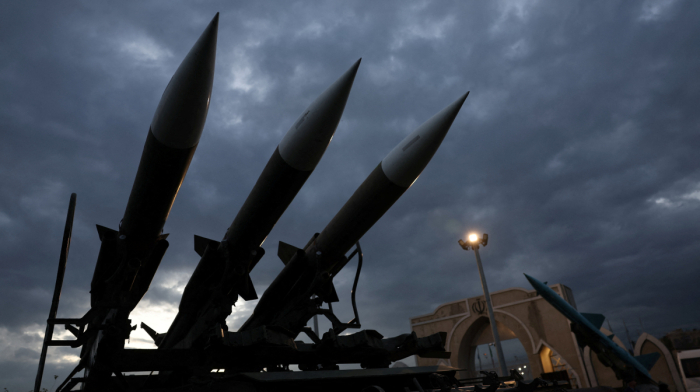
Saudi Arabia said it intercepted two Houthi ballistic missiles targeting Riyadh and three drones in its oil-rich Eastern Province on Sunday (15 November), as Iran's Revolutionary Guards claimed separate attacks on a U.S. military facility in Bahrain.
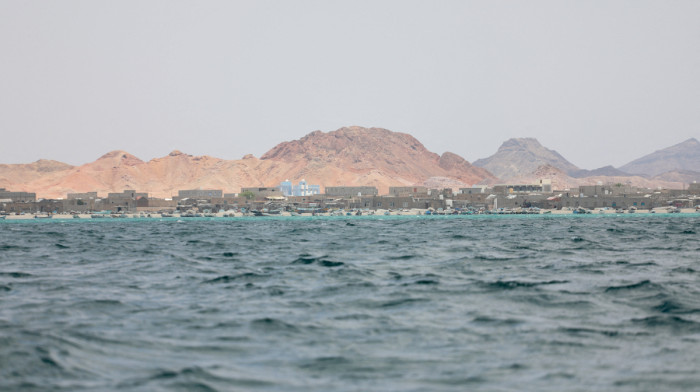
Yemeni forces fighting for the internationally recognised Saudi-backed government said on Sunday that they were withdrawing from an area overlooking the strategic Bab el-Mandeb Strait, leaving the Iran-aligned Houthis in control.
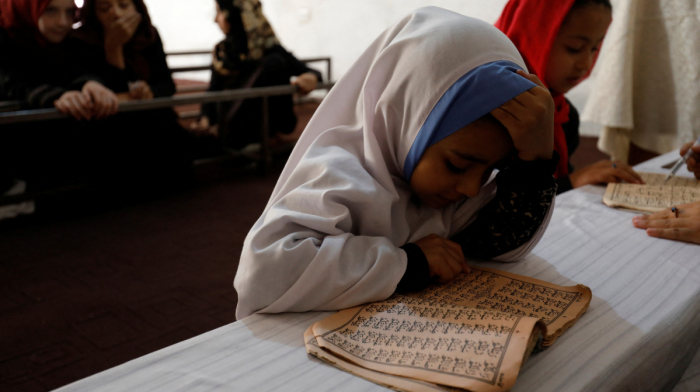
Afghanistan’s Ministry of Education has challenged a United Nations report on access to education, saying its findings do not reflect the full picture of the country’s education system.
U.S. air travel is not expected to return to normal schedules until late on Sunday (15 November), the head of the FAA said, as the aviation system gradually recovers from a nationwide flight shutdown that officials blamed on routine maintenance gone awry.
Southeast Asian leaders opened the 49th ASEAN Summit in Manila Sunday, with Myanmar's crisis, security and economic uncertainty dominating talks. Philippine President Ferdinand Marcos Jr. called for continued engagement with Myanmar and urged a stronger response to conflict and energy disruptions.
A new study in mice suggests the brain’s protective barrier does more than block harmful substances. It also delivers essential proteins from the body, a process that may break down early in Alzheimer’s disease and offer a new target for treatment.
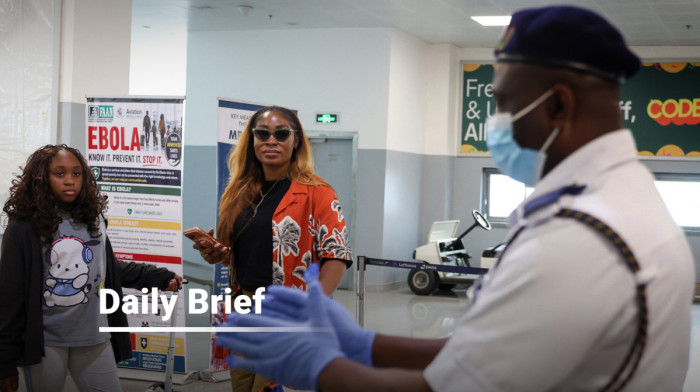
Here's your AnewZ Daily Brief for the 5th of November, as health emergencies, humanitarian crises, political shifts, and cybersecurity threats put governments and essential services under pressure across the globe. Here are five stories worth your attention.
Kazakhstan plans to manufacture 494 types of medicines through eight major investment projects worth a combined $862 million, Health Minister Akmaral Alnazarova announced on 3 November, local media reported.
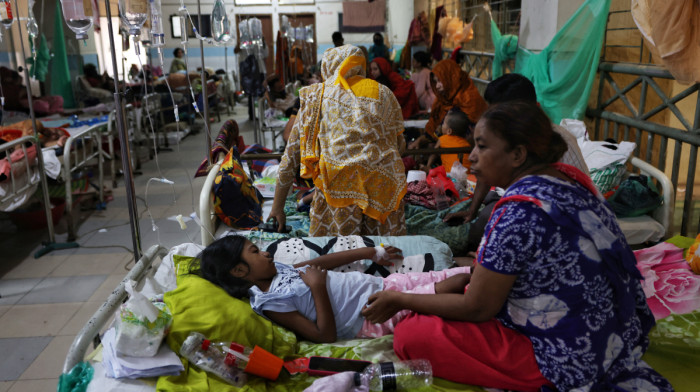
Dengue fever has killed more people in Bangladesh this year than in the whole of 2025, with October the deadliest month so far, data from Bangladesh's Health Ministry shows.
Visitors to Armenia could face temperature screening after a lab worker died from suspected Pneumonic plague in Russia, Yerevan’s Health Minister Anahit Avanesyan told lawmakers on Wednesday, Armenian state news agency Armenpress reported.
You can download the AnewZ application from Play Store and the App Store.
What is your opinion on this topic?
Leave the first comment