live U.S.-Iran standoff continues as Hormuz shipping and diplomacy remain uncertain
Shipping traffic through the Strait of Hormuz remains limited on Thursday, with no increase in vessel crossings as U.S.-Iran talks to res...
U.S. border czar Tom Homan said Wednesday (22 October) that illicit fentanyl should at least be discussed as a weapon of mass destruction (WMD).
Speaking at Axios’ Future of Defense Summit, Homan highlighted the drug’s deadly toll, citing around 73,000 U.S. deaths annually, a figure he said was even higher during the Biden administration.
Homan recalled attending a Department of Homeland Security (DHS) briefing six months ago on classifying fentanyl as a WMD.
“When I left that briefing, it was my understanding they would push that recommendation up to the Secretary, but I’ve been out of it ever since.”
He also criticised drug manufacturers.
“They’re really trying to make money on their customers, and we’re not going to do that by killing them, right?”
The Drug Enforcement Administration (DEA) seized more than 380 million lethal doses of fentanyl in 2024, with 2025 seizures totalling more than 262 million doses as of late September. Preliminary CDC data shows overdose deaths in 2024 fell 26.9% from 2023, the lowest annual level since 2019.
The DHS has considered labelling fentanyl a WMD since 2019, but legislative efforts have failed. This year, Rep. Lauren Boebert introduced the Fentanyl is a Weapon of Mass Destruction Act, directing DHS’ Countering Weapons of Mass Destruction Office to officially classify the drug as a WMD.

The collective-defence agreement between Türkiye, Saudi Arabia and Pakistan signals that regional powers no longer want to rely solely on external security guarantees. Whether it becomes a stabilising deterrent or another axis of rivalry remains unresolved.
Shipping through the Strait of Hormuz has slowed, according to the latest data, as uncertainty over the waterway’s reopening kept most shipowners away. Six commodity vessels crossed the strait on Tuesday, down from nine the day before and below the 10-day daily average of 11.
Shipping traffic through the Strait of Hormuz remains limited on Thursday, with no increase in vessel crossings as U.S.-Iran talks to resolve the conflict remained stalled. Nine commodity vessels transited the key waterway on Wednesday, unchanged from the previous day, according to Kpler data.
Iran has said the Strait of Hormuz will remain closed until the U.S. fulfils the terms of an interim deal, including lifting the maritime blockade and sanctions and releasing Iran’s frozen assets.
Start your day informed with AnewZ Morning Brief. Here are the top news stories for the 19th of August, covering the latest developments.
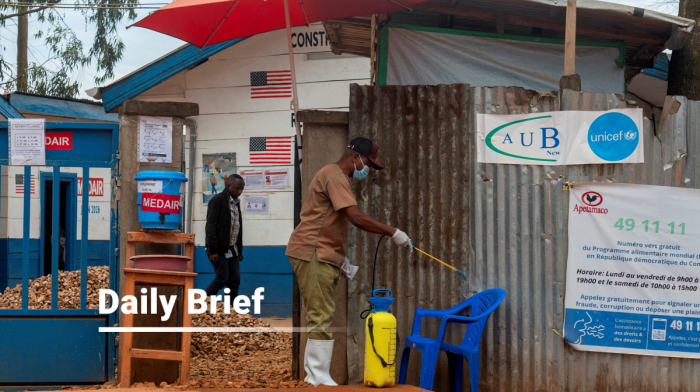
The Democratic Republic of the Congo’s Ebola outbreak has surpassed 5,000 confirmed cases, with the death toll reaching 2,378, according to the latest government data.
The Democratic Republic of Congo says the number of confirmed Ebola cases has risen to more than 5,000, with more than 2,300 deaths. Delayed detection, weak surveillance, funding shortages and conflict have allowed the virus to spread faster than in any previous epidemic at the same stage.
Australia warned on Monday (3 August) of a wider spread of H5N1 bird flu after its first confirmed mass mortality event among seabirds killed about 50 greater crested terns off the coast of South Australia, south of Adelaide.
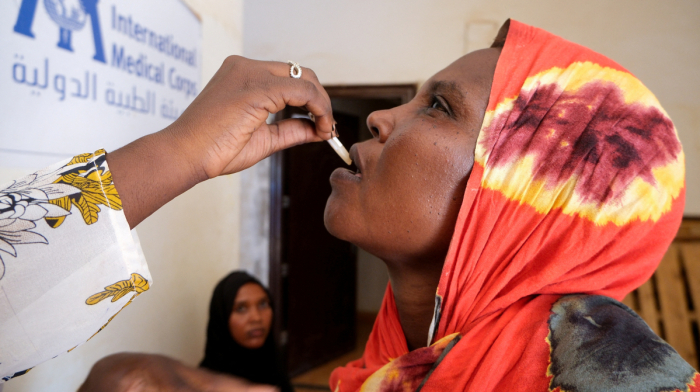
Cancer patients in Sudan are struggling to access life-saving treatment as soaring medication costs, power shortages and damaged hospital infrastructure deepen the country's healthcare crisis after more than three years of war.
The world risks a resurgence of the HIV epidemic after international funding fell by nearly a fifth last year, according to a new report from UNAIDS, which warned that decades of progress against the disease could be reversed without renewed global support.
You can download the AnewZ application from Play Store and the App Store.
What is your opinion on this topic?
Leave the first comment