G7 meeting to test U.S.-Europe relations after midterm elections
Foreign ministers from the Group of Seven (G7) will meet in Paris on Monday to assess whether the Democrats' gains in the U.S. midterm election...
There are 29 confirmed cases of the mpox virus in Portugal according to local authorities, which reported in the past three months that there were 10 people in August, three in September, and 16 others in October.
The Directorate-General of Health (DGS) and the National Health Institute Dr. Ricardo Jorge (INSA) said recent weeks have seen an increase in cases, suggesting a possible intensification of transmission, although there is still no evidence of a new epidemic peak.
They noted that the rise in October exceeds the monthly average of around 11 cases and stressed that interpreting this increase will depend on laboratory confirmations and the trend of reported cases in the coming weeks.
The World Health Organization (WHO) has also warned that all known strains of the mpox virus, also known as monkeypox (MPXV), remain in circulation. If outbreaks are not quickly contained, sustained community transmission is possible.
A newly identified clade, known as clade Ib, has now spread beyond Africa with an increase of cases in the Democratic Republic of the Congo.
According to the WHO, Mpox is an infectious viral disease which can occur in both humans and other animals, particularly squirrels and monkeys.
A rash can form which blisters which can form a crust. Other symptoms include fever and swollen lymph nodes. The infection is spread from person to person mainly through close contact.
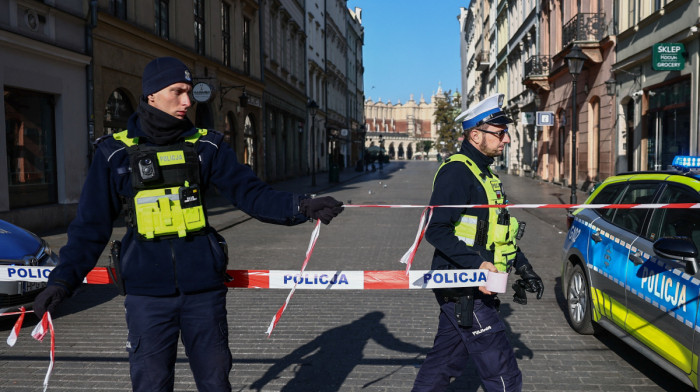
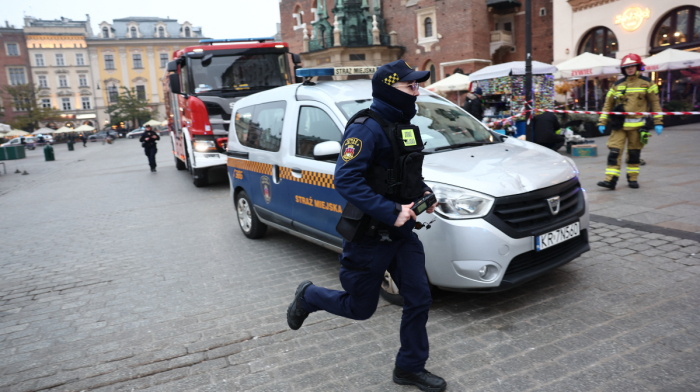
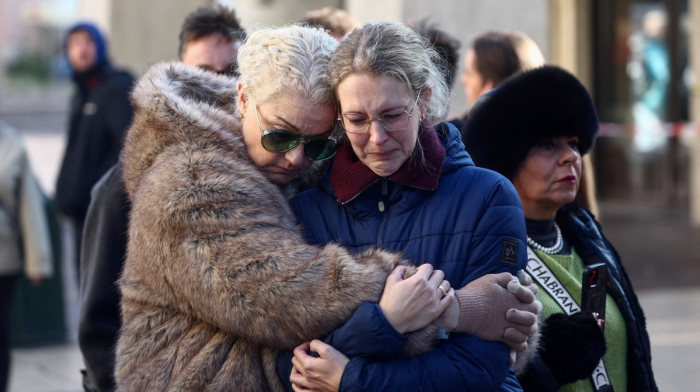
Poland has declared two days of national mourning after a gunman opened fire in Kraków's historic main square. Investigators are examining possible far-right influences and the discovery of three bodies at the suspect's home.
Monday marks the second of two days of national mourning in Poland as police bolstered security after six people were killed in a mass shooting in Kraków.
Russian forces launched a ballistic missile attack on Kyiv early on Saturday, 7 November, injuring two people and damaging residential buildings, just three days before U.S.-led peace talks with Ukraine and Russia in Abu Dhabi.
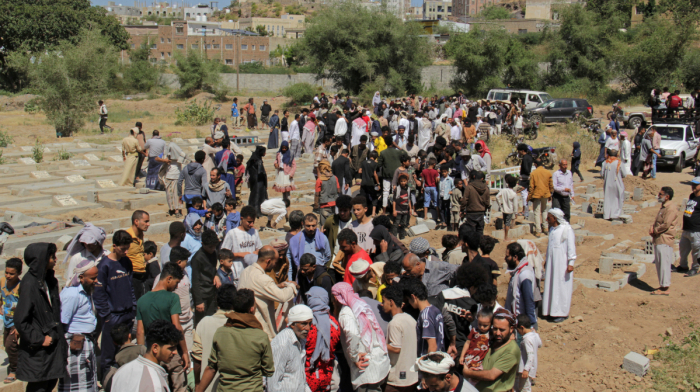
The Saudi-led coalition fighting Yemen's Houthis said it intercepted and destroyed two ballistic missiles fired by the Iran-aligned group towards Riyadh on Sunday (8 November), after loud booms were heard in the Saudi capital. The Aramco building was damaged by falling debris.
New Zealand’s ruling centre-right National Party has taken a narrow lead over the opposition Labour Party in Saturday’s general election, with the country’s current three-party coalition projected to retain power.
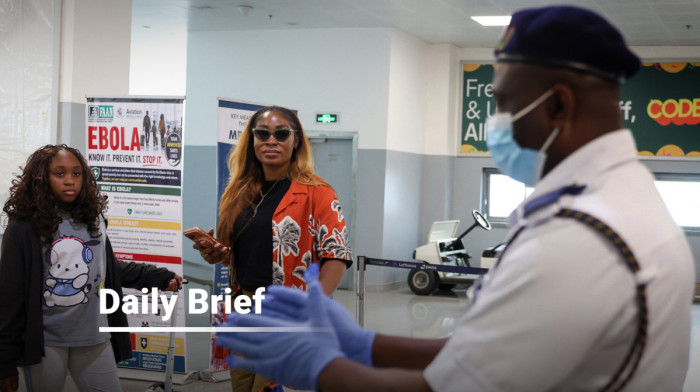
Here's your AnewZ Daily Brief for the 5th of November, as health emergencies, humanitarian crises, political shifts, and cybersecurity threats put governments and essential services under pressure across the globe. Here are five stories worth your attention.
Kazakhstan plans to manufacture 494 types of medicines through eight major investment projects worth a combined $862 million, Health Minister Akmaral Alnazarova announced on 3 November, local media reported.
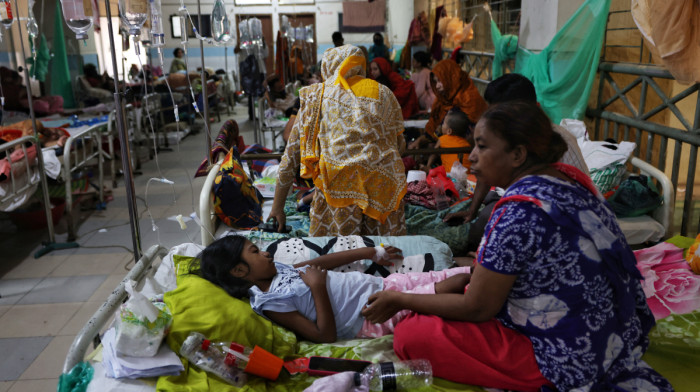
Dengue fever has killed more people in Bangladesh this year than in the whole of 2025, with October the deadliest month so far, data from Bangladesh's Health Ministry shows.
Visitors to Armenia could face temperature screening after a lab worker died from suspected Pneumonic plague in Russia, Yerevan’s Health Minister Anahit Avanesyan told lawmakers on Wednesday, Armenian state news agency Armenpress reported.
Health advice now reaches people through social media, fitness apps, wearable technology and AI. From detoxes and protein-focused diets to skincare and fitness trends, online wellness content is shaping everyday health choices while raising concerns about misinformation and potential risks.
You can download the AnewZ application from Play Store and the App Store.
What is your opinion on this topic?
Leave the first comment