Malaysia is facing a sharp rise in dengue infections, with the capital Kuala Lumpur and the wider Klang Valley emerging as the main centres of concern.
The country’s health ministry said on Friday that 58,079 dengue cases had been recorded since early August, a 56.2 per cent increase compared with the same period last year. At least 55 people have died from complications linked to the mosquito-borne disease.
Officials warned that the risk of transmission remains high despite stepped-up efforts to contain the outbreak, with infections also climbing rapidly in several states beyond the Klang Valley.
Kuala Lumpur sees cases more than double
The most significant increase has been recorded in the capital Kuala Lumpur and the neighbouring area of Putrajaya, where dengue cases have more than doubled compared with the same period in 2025.
Selangor, the densely populated state surrounding the capital, has also recorded a substantial increase, with cases up 61 per cent.
The ministry said the early rise in infections was largely concentrated in the Klang Valley, an urban and highly-populated region that includes Kuala Lumpur, Putrajaya and much of Selangor.
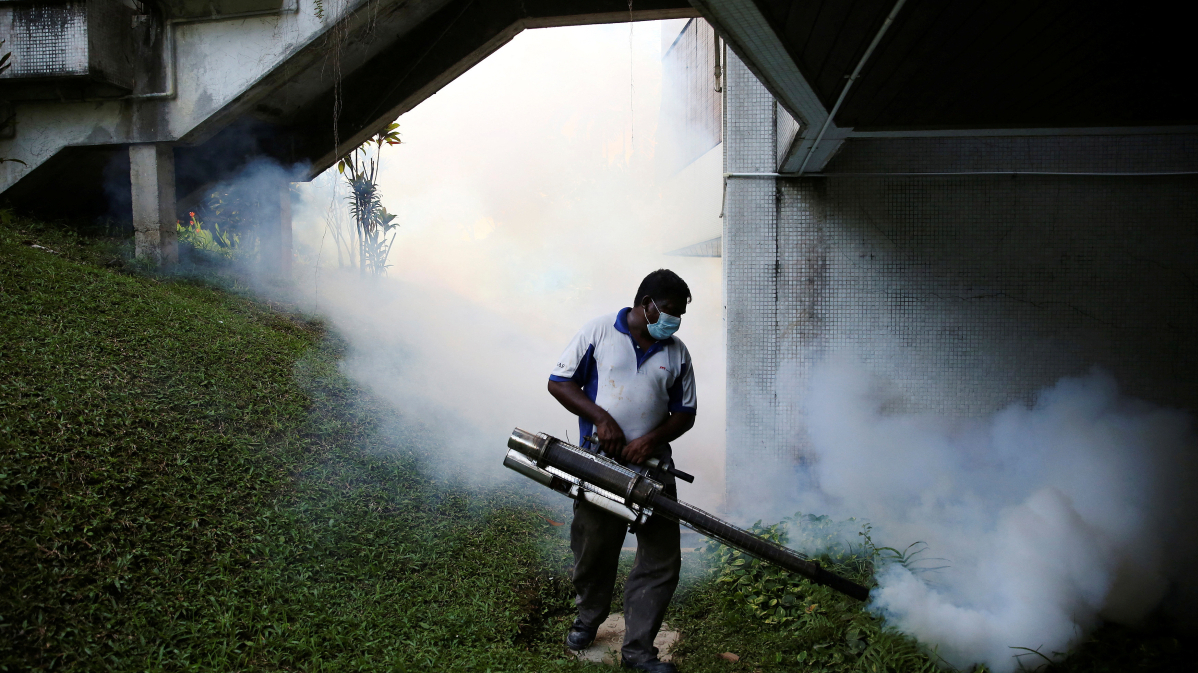
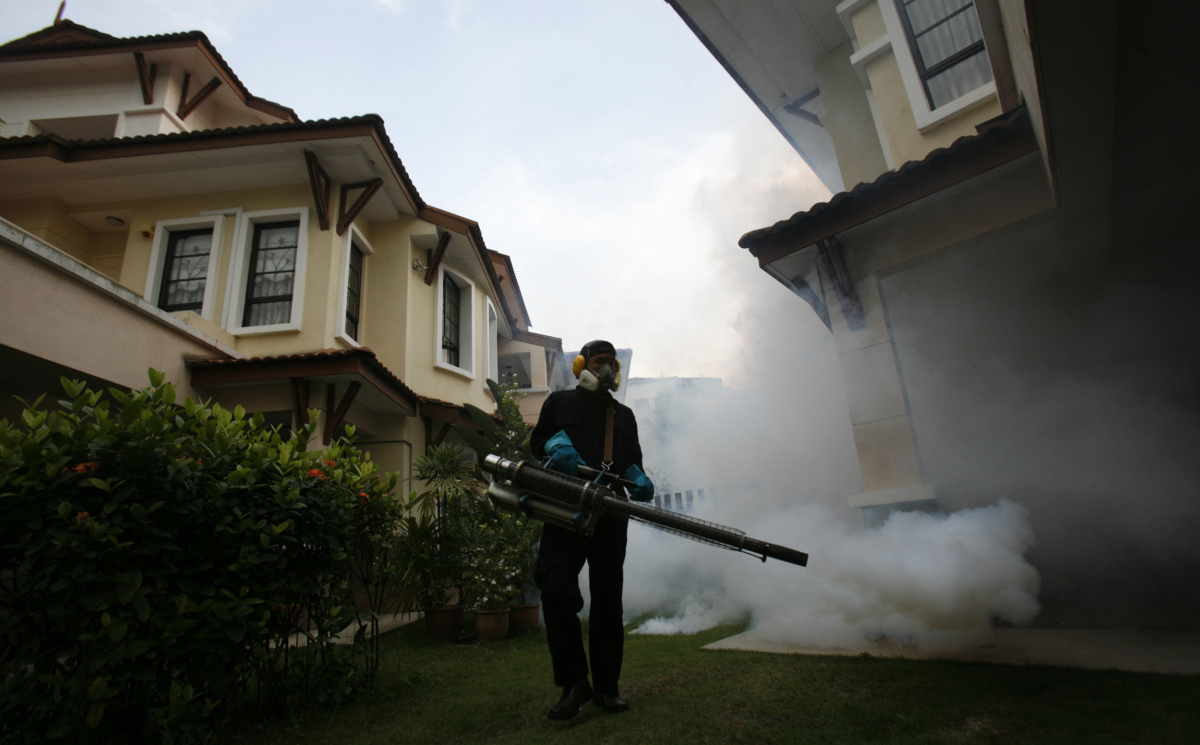
The scale of the increase has prompted authorities to intensify surveillance and targeted control measures, including identifying cases earlier, tackling mosquito breeding sites and managing outbreaks in affected communities.
The ministry said these interventions had started to produce positive results, but stressed that the overall situation remained concerning.
Sharp increases beyond the capital
The outbreak is not confined to Malaysia’s most densely populated urban areas.
In Perlis, in the north of the country, dengue cases had risen by 207 per cent as of 15 August compared with the same period last year. Johor, in southern Malaysia, recorded a 109 per cent increase.
The figures suggest that dengue transmission is becoming a broader national concern rather than an issue limited to the capital and its surrounding suburbs.
Health officials said they would continue to monitor developments closely and adjust their response according to changes in the epidemiological situation.
Weather and stagnant water create ideal breeding conditions
Dengue is transmitted primarily by the Aedes aegypti mosquito, which can breed in relatively small amounts of stagnant water found around homes and urban areas.
The infection typically causes a high fever accompanied by symptoms including severe headaches, rashes and muscle and joint pain. In more serious cases, it can develop into dengue haemorrhagic fever, which can be life-threatening.
There is no universally available vaccine that provides routine protection against dengue, making mosquito control and preventing bites central to efforts to limit transmission.
The health ministry linked the latest rise in cases to a combination of environmental and weather-related factors.
“The increase in dengue cases is influenced by various factors, including unpredictable weather conditions, namely rainfall combined with hot weather, which creates an environment conducive to the breeding of Aedes mosquitoes.”
It also pointed to water-holding containers around homes and residential areas as another contributor, particularly where they are left exposed or poorly maintained.
Authorities urge continued vigilance
Malaysia has experience dealing with recurring dengue outbreaks, particularly in densely populated urban areas where large numbers of people live close to potential mosquito breeding sites.
The latest figures, however, have raised concerns about the pace at which infections are spreading in several parts of the country.
While intensified control measures appear to be having an impact in some areas, the ministry has cautioned that the threat remains elevated. Authorities are continuing to focus on early detection, mosquito-control operations and rapid intervention when outbreaks are identified.
For communities, the ministry’s warning underscores the importance of removing standing water and keeping residential surroundings clear of potential breeding sites - measures that can help reduce the number of mosquitoes capable of transmitting the virus.
With cases rising sharply in both the Klang Valley and states farther afield, health officials face the challenge of containing the current surge before it develops into a wider national outbreak.
Read more about dengue:
















What is your opinion on this topic?
Leave the first comment