Sri Lanka is battling its worst dengue outbreak in nearly a decade, with authorities deploying the military to help contain the spread of the mosquito-borne disease as infections continue to rise.
Since January, the country has recorded 76,044 dengue cases and 53 deaths, according to health authorities. The outbreak is approaching the scale of the 2017 epidemic, when more than 100,000 infections were reported.
The Sri Lankan Air Force has deployed drones to identify stagnant water on rooftops and other mosquito breeding sites, while military personnel and police are assisting health officials in inspecting homes, schools and construction sites.
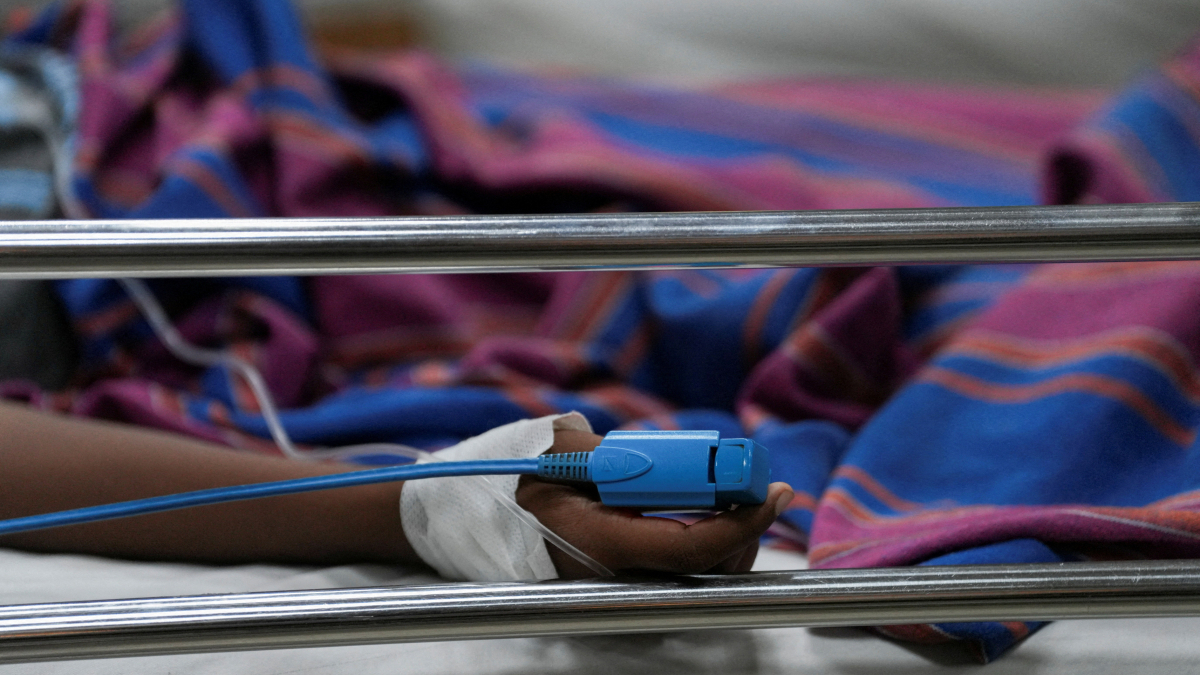
Hospitals have expanded capacity by adding beds, converting wards and increasing working hours for medical staff to cope with a surge of more than 18,000 cases in the first two weeks of July.
Hospitals under pressure
Health officials said 21,537 infections were recorded in June, more than double the number reported in May. Symptoms of dengue typically include high fever, severe body aches and loss of appetite.
Consultant physician Lalindra Dias, based in Negombo, one of the worst-affected areas north of Colombo, said hospitals were struggling to manage the rapid increase in patients.
"It's challenging for the doctors because it's a rapid increase in patients," Dias said.
His hospital has treated nearly 1,800 dengue patients since June, up from around 1,050 during the same period in 2025.
Clean-up campaign and vaccine under consideration
Authorities launched a nationwide clean-up campaign on 16 July, targeting homes, schools, religious institutions and other sites where mosquitoes breed.
The Health Ministry said nearly 11,000 mosquito breeding sites had been cleared this month, while fines were issued to more than 4,000 premises found to harbour breeding grounds.
Officials expect cases to decline as the current monsoon weakens in August but warn infections could rise again with the return of seasonal rains later in the year.
Sri Lanka has not yet introduced a dengue vaccine, although authorities say they are considering the option as experts continue to assess its effectiveness against multiple circulating strains.
Read more:





















What is your opinion on this topic?
Leave the first comment