





15:42 CET
Russia-Ukraine
live Russian strikes kill three, damage dozens of power facilities
Russian strikes killed ...
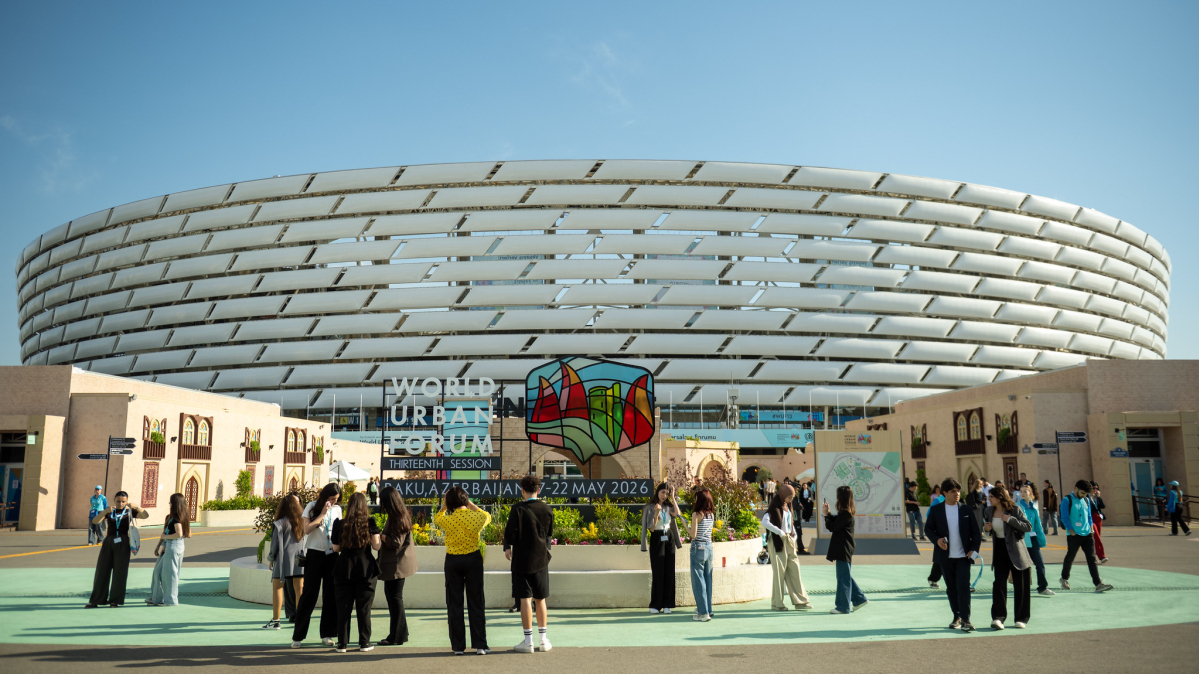


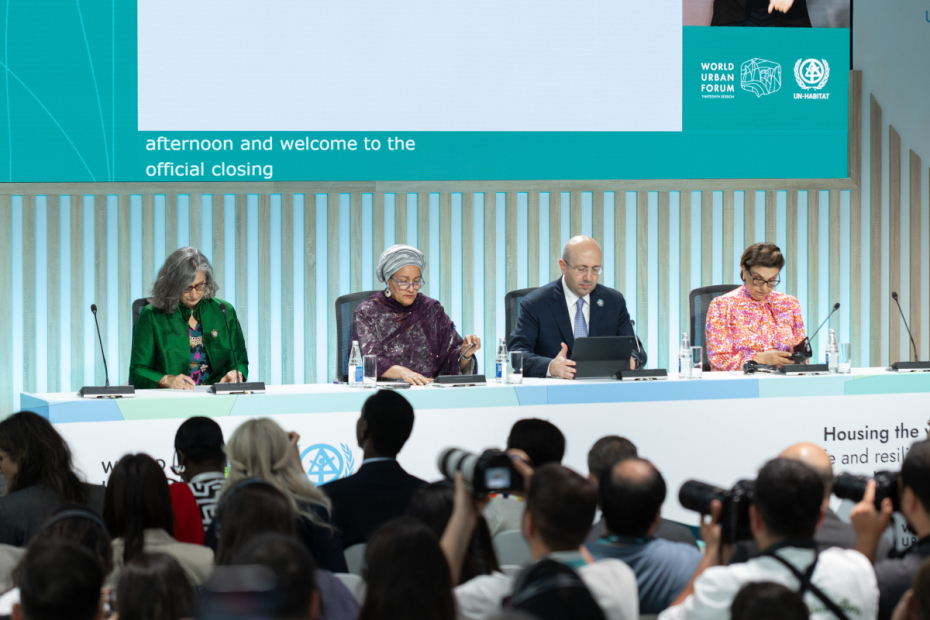
The 13th session of the World Urban Forum concluded in Baku on 22 May after six days of discussions focused on housing, climate resilience, urban governance and social inclusion, bringing together tens of thousands of participants from around the world to shape the future of sustainable cities.
The forum, held under the theme “Housing the world: Safe and resilient cities and communities,” gathered governments, mayors, ministers, urban planners, international organisations, civil society representatives and youth leaders from more than 180 countries.
Hosted in the Azerbaijani capital from 17-22 May, WUF13 centred on accelerating implementation of the New Urban Agenda and the Sustainable Development Goals (SDGs), with participants repeatedly stressing that housing, climate adaptation and inclusive urban development are now global priorities rather than isolated policy issues.
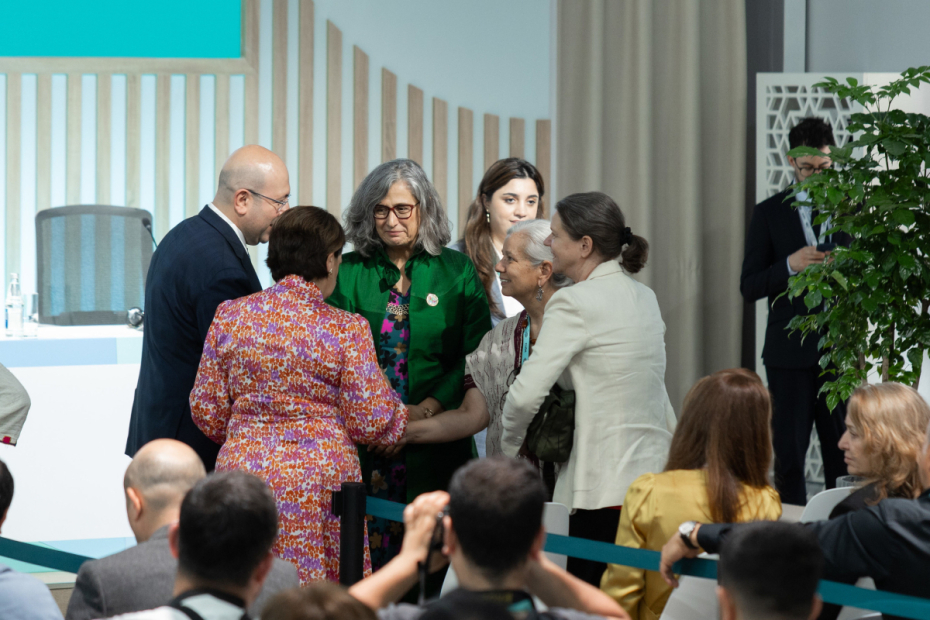
Speaking at the official closing press conference, United Nations Deputy Secretary-General Amina Mohammed said the entire United Nations system would continue strengthening coordination on adequate housing and sustainable urban development.
“The Sustainable Development Goals can only be realised at the global level if they are implemented within our countries and communities,” she said.
Mohammed stressed that the discussions and commitments shaped during WUF13 would play a vital role in advancing the SDGs and transforming urban policy into practical action.
“This means that we must further strengthen cooperation with all members of society, particularly with local and regional authorities who will lead these transformations,” she said.
“Housing must be accepted as one of the fundamental conditions of sustainable development.”
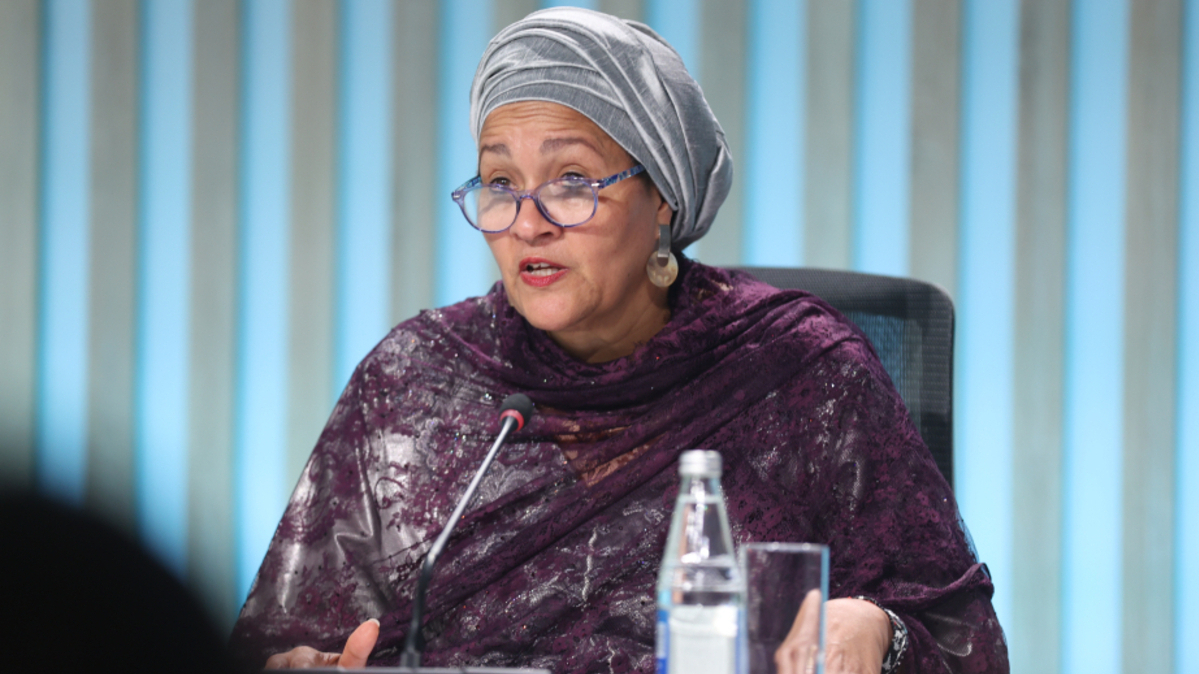
She also emphasised the importance of inclusive cities that work for all communities, including women, children, youth, migrants, internally displaced persons, persons with disabilities and elderly people.
“Baku’s call to action is clear: sustainable urbanization is one of the most powerful tools for rebuilding trust, accelerating the Sustainable Development Goals, and renewing multilateralism,” Mohammed said.
“We leave Baku with a renewed determination to work together toward building inclusive, resilient, sustainable communities and cities that put human dignity at their core. It is now time to house the world and provide a dignified life for every human being.”
Housing emerged as one of the defining themes throughout the week, with delegates warning that affordability pressures, displacement, conflict and climate change are intensifying pressure on cities worldwide.
Executive Director of UN-Habitat Anacláudia Rossbach said the forum demonstrated growing international consensus on the urgency of addressing the global housing crisis.
“The World Urban Forum has become a global platform for collective action for the future of cities,” Rossbach said.
“Housing is no longer a sector issue. It is a systemic challenge that shapes inequality, opportunity, resilience, and stability and peace in our cities and societies.”
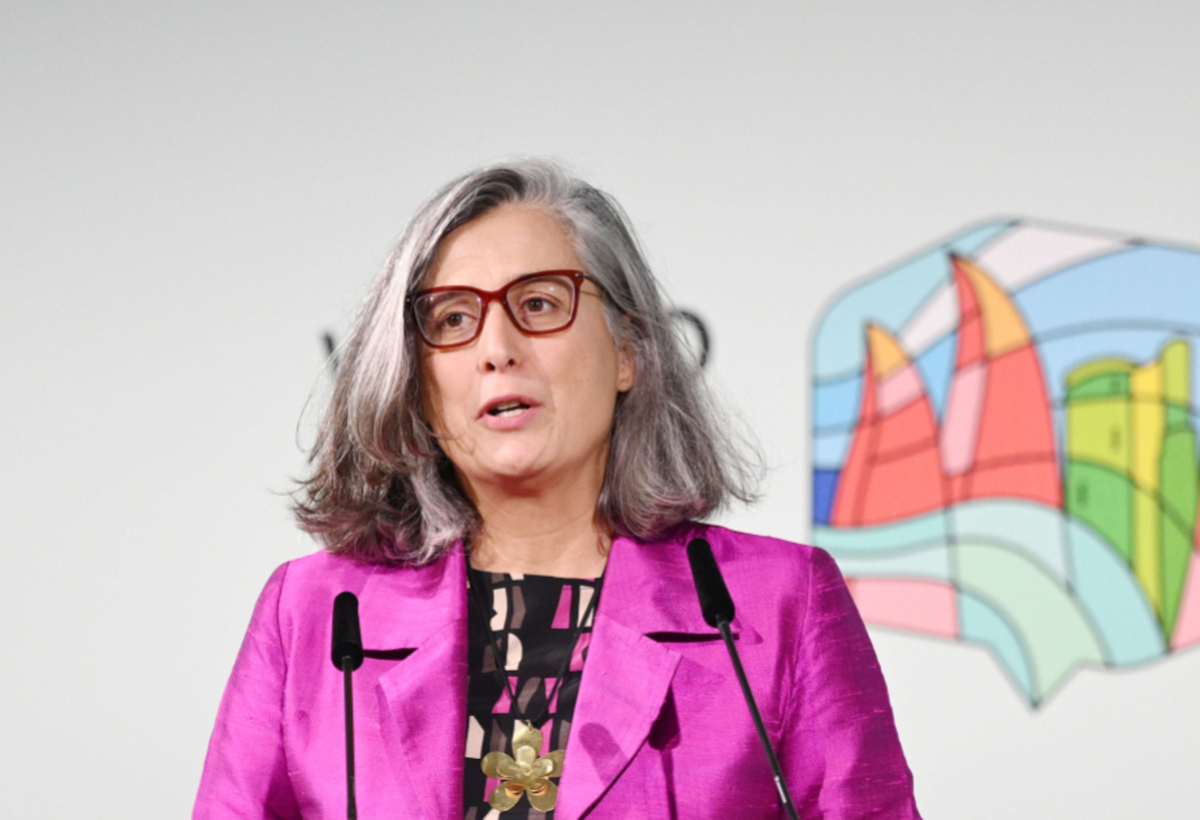
She said the crisis requires integrated responses linking housing, land, finance, infrastructure and governance.
“The key priorities that emerged from this week include addressing the scale of the housing crisis, empowering local action, partnerships, and advancing climate-resilient and inclusive urban transformation,” she added.
Rossbach also welcomed the emerging “Baku Call to Action,” saying the outcomes of WUF13 would contribute to UN-Habitat’s future work on sustainable development and climate policy.
Climate resilience remained central to policy and technical discussions throughout the forum, particularly for coastal and rapidly urbanising regions vulnerable to rising temperatures, water stress and extreme weather events.
Sessions focused on climate finance, resilient infrastructure, green urbanisation and adaptation planning, with speakers arguing that local governments need greater access to funding and decision-making mechanisms.
Delegates repeatedly highlighted the importance of integrating climate adaptation directly into housing policy, transport systems, water infrastructure and urban planning frameworks.
WUF13 also hosted women’s assemblies, civil society forums and dialogues on inclusive urban governance.
Participants stressed that access to housing, public space and essential services remains unequal in many urban areas, especially for vulnerable communities.
Discussions called for stronger female representation in urban planning and policymaking, while promoting city models designed around accessibility, safety and social inclusion.
Across dozens of side events and exhibitions, participants explored the role of innovation and technology in shaping future cities.
Topics included artificial intelligence in urban governance, digital infrastructure, smart city planning, sustainable transport systems and green construction models.
The forum also highlighted architectural innovation through the UIA 2030 Award, recognising projects aligned with the United Nations Sustainable Development Goals and low-carbon urban development.
The opening day featured ministerial meetings dedicated to the New Urban Agenda, women’s and civil society assemblies, business sessions and discussions on urban prosperity.
The second day saw the inaugural Leaders’ Summit, focusing on the global housing crisis, urban resilience and urbanisation policy. The Mexico City pavilion also opened as preparations began for WUF14.
The third day focused on climate resilience, artificial intelligence, safe and inclusive cities, social equality and sustainable transport. One of the notable moments was the signing of a sister-city memorandum between the Azerbaijani city of Shusha and the Turkish city of Trabzon.
The fourth and fifth days continued discussions on housing policy, climate change, green urbanisation, urban governance and social inclusion.
One of the major announcements came during the UN Special Programme for the Economies of Central Asia (SPECA) Cities Forum, where Almaty officially joined the “Declaration of Intent on the Establishment of the SPECA Smart Climate-Resilient Cities Forum.”
For the first time in WUF history, Azerbaijan also hosted the “WUF13 NGO Forum: Global Partnership and Decision-Making.”
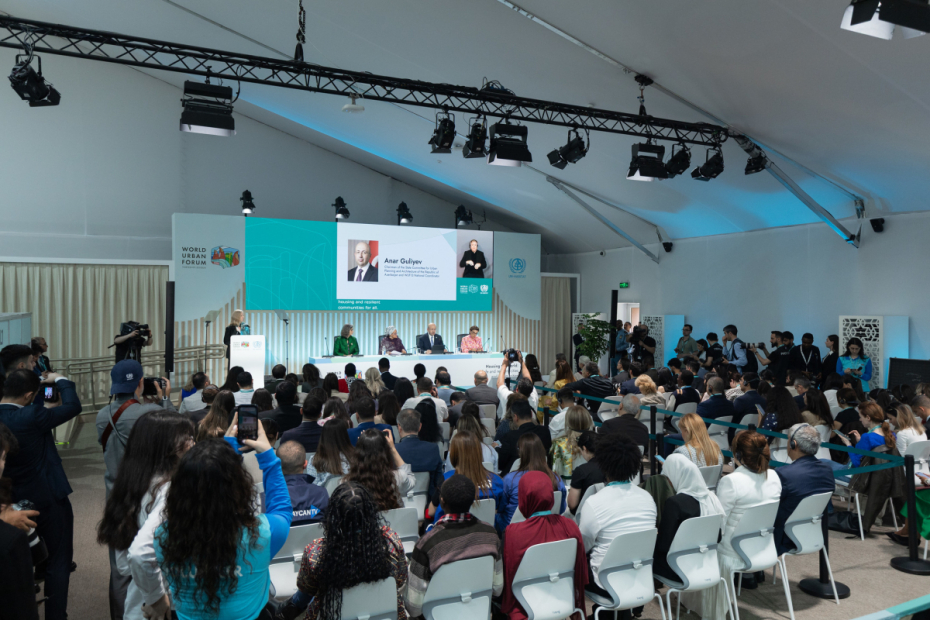
Chairman of Azerbaijan’s State Committee on Urban Planning and Architecture and WUF13 National Coordinator Anar Guliyev described the forum as “a platform for action” focused on solving the global housing crisis and advancing sustainable urban development.
According to Guliyev, more than 115,000 people participated in events held across nine cities during “Baku Urban Week,” while more than 1,000 accredited media representatives covered the forum internationally.
He also highlighted the contribution of around 2,500 volunteers.
“The theme of WUF13 placed housing at the centre of the global urban agenda and reaffirmed that access to adequate, affordable, safe and resilient housing remains one of the defining challenges of our time,” Guliyev said.
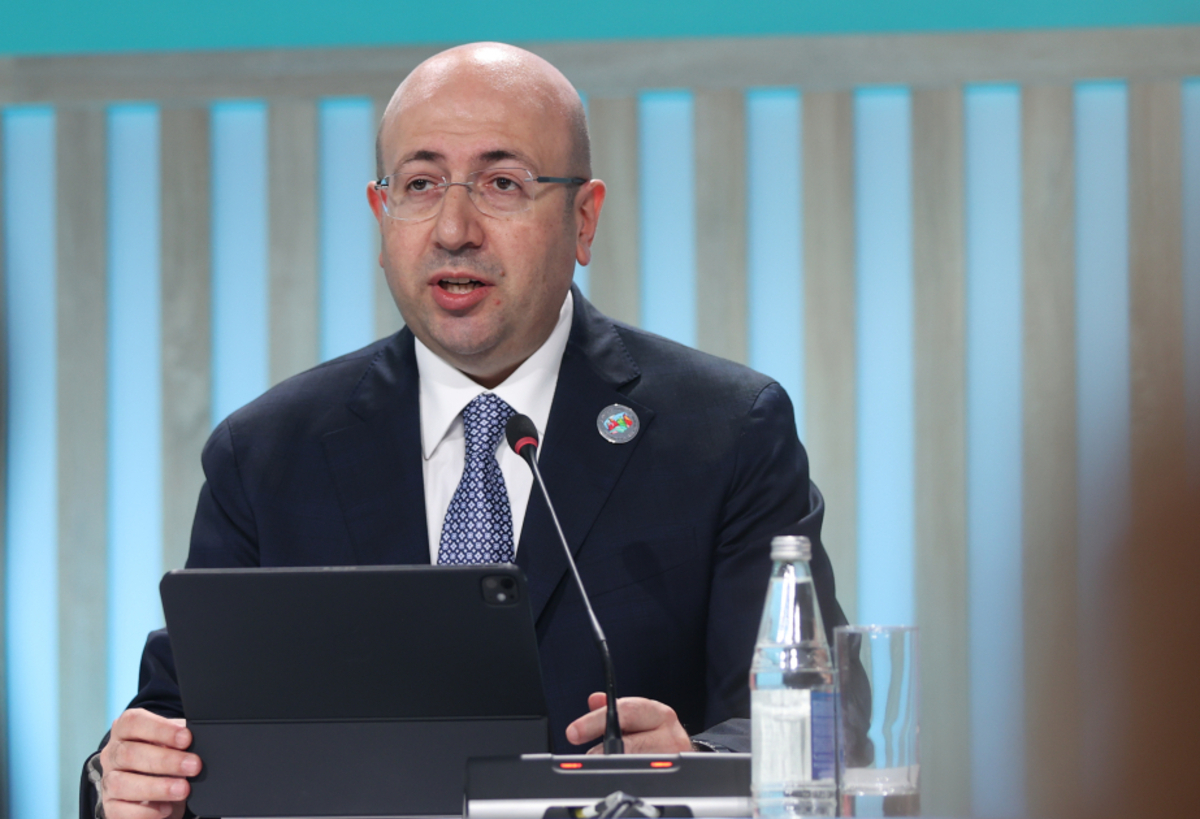
He stressed that tackling the housing crisis would require “effective multilateralism, stronger partnerships, innovative financing and coordinated actions at all levels.”
Guliyev also pointed to initiatives focused on clean air, green infrastructure and climate-resilient urban recovery.
Mexican Ambassador to Azerbaijan María Victoria Romero Caballero thanked Azerbaijan, UN-Habitat and forum participants for what she described as a successful event.
“Our deepest gratitude for your support, generosity, and making our staying in Azerbaijan a successful experience,” she said, while praising Azerbaijani hospitality and the role of volunteers.
She noted that Mexico’s delegation included senior officials such as the minister for urban planning, the governor of Mexico City and the vice minister of foreign affairs.
Looking ahead to the next forum, she said preparations for WUF14 had already begun in cooperation with UN-Habitat.
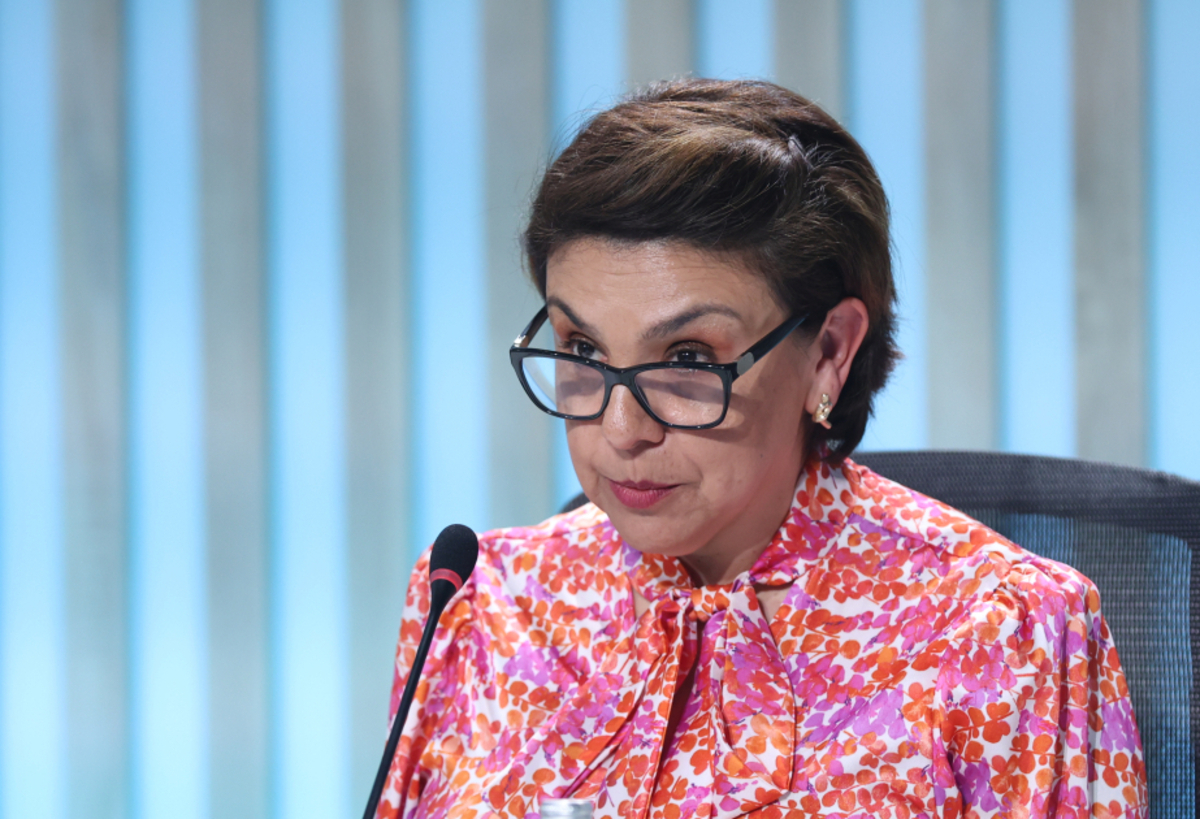
“My colleagues from Mexico City government, along with UN-Habitat, will start the coordination towards establishing teamwork, governance models, strategic points, and all the heavy work modelling World 14,” she said.
Caballero noted that WUF14 would mark the forum’s return to Latin America after 14 years and would be the last edition before 2030.
“Mi casa es tu casa (My home is your home).” she told participants.
As WUF13 closed, participants emphasised that implementation would be the next major test.
While the forum showcased a broad range of ideas, partnerships and policy frameworks, the central message remained consistent throughout the week: sustainable urbanisation, affordable housing and resilient cities are essential to achieving global stability and inclusive development.
The outcomes and commitments shaped in Baku are expected to contribute to future global housing, climate and urban development agendas in the years leading to 2030.

Russian strikes killed ...

Greek students braved heavy rain to pitch tents outside parliament in Athens on Tuesday, demanding affordable housing and more education funding as...

A former gang leader ...

The Saudi-led coalition in Yemen said late Monday that it intercepted and destroyed two ballistic missiles launched by the Houthi group toward Khamis Mushait in southwestern Saudi Arabia.
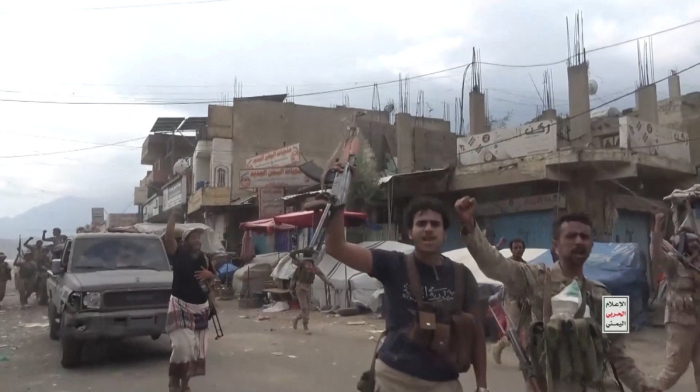
Yemen’s Houthis have claimed responsibility for the recent drone and missile strikes on Saudi Aramco facilities in Dhahran and Riyadh and at King Khalid International Airport in Saudi Arabia, vowing to carry out more attacks in the coming days.
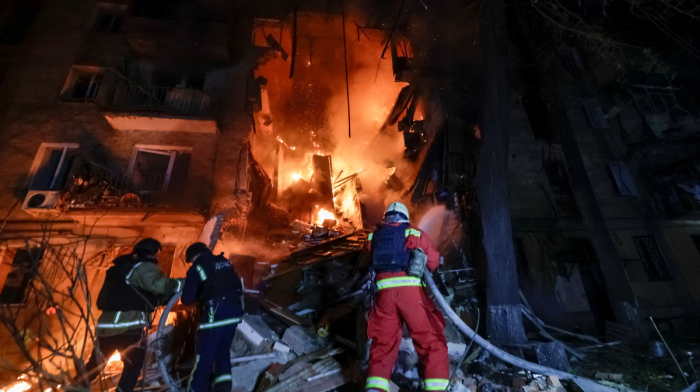
Ukrainian President Volodymyr Zelenskyy says Russia hit at least six energy targets in deadly strikes across Ukraine, showing Moscow is unwilling to accept the energy ceasefire announced by U.S. President Donald Trump.
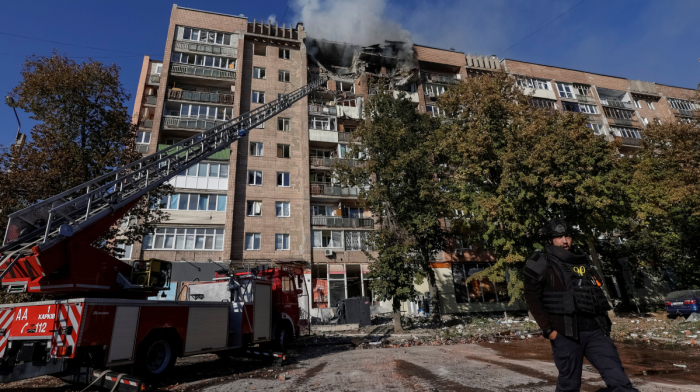
The Kremlin on Monday rejected a 60-day ceasefire idea proposed by Ukrainian President Volodymyr Zelenskyy to allow his country to hold presidential elections, saying it wanted an overall peace deal instead.
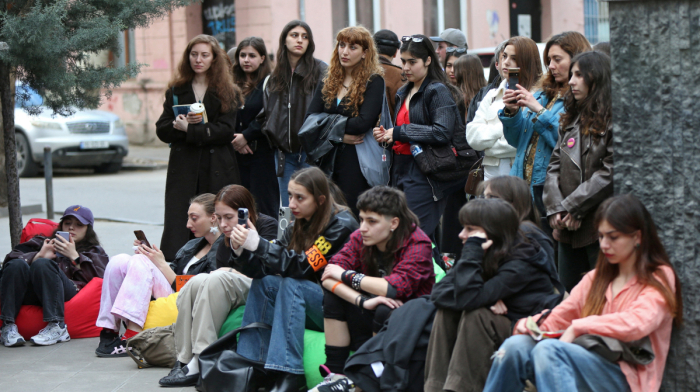
Thousands of young Georgians leave the country each year in search of better economic opportunities, with many moving west. As questions grow over Georgia’s European path, AnewZ spoke to people who have emigrated about what it would take for them to return.
Yemen’s Houthis have claimed responsibility for the recent drone and missile strikes on Saudi Aramco facilities in Dhahran and Riyadh and at King Khalid International Airport in Saudi Arabia, vowing to carry out more attacks in the coming days.
The Saudi-led coalition in Yemen said late Monday that it intercepted and destroyed two ballistic missiles launched by the Houthi group toward Khamis Mushait in southwestern Saudi Arabia.
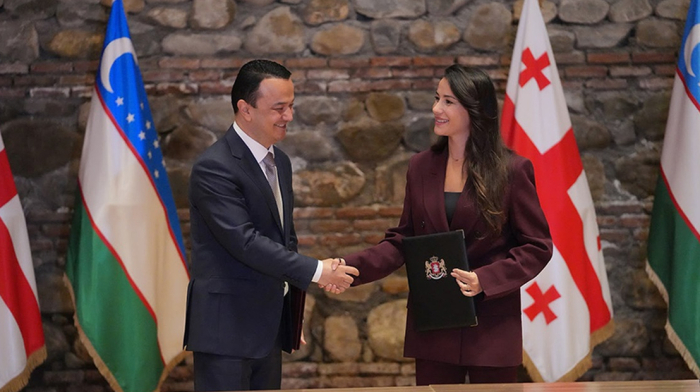
Georgia and Uzbekistan are aiming to nearly quadruple annual trade to $1 billion, up from $267.6 million in 2025, as the two countries seek to strengthen economic ties and expand transport links.

Iran has warned against the military use of Starlink, saying it has developed domestic technology capable of countering cyber threats linked to the satellite internet service.
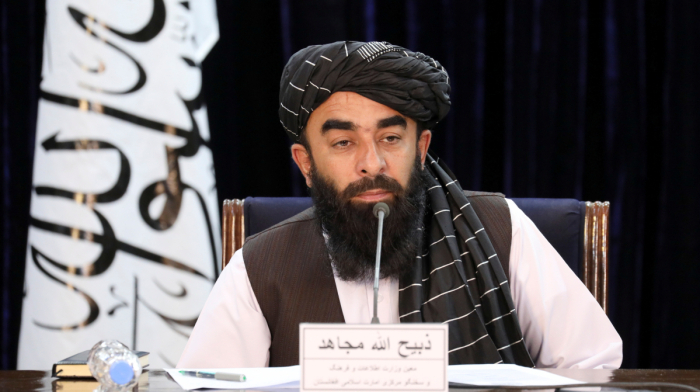
Afghanistan has accused Pakistan of blaming Kabul for its domestic political and security problems, as Islamabad repeated claims that militants are using Afghan territory to launch attacks across the border.
You can download the AnewZ application from Play Store and the App Store.




What is your opinion on this topic?
Leave the first comment