What happens next to North Korean soldiers sent to South Korea?
The arrival in South Korea of two North Korean soldiers captured while fighting for Russia has created a rare legal, diplomatic and humanitarian ca...
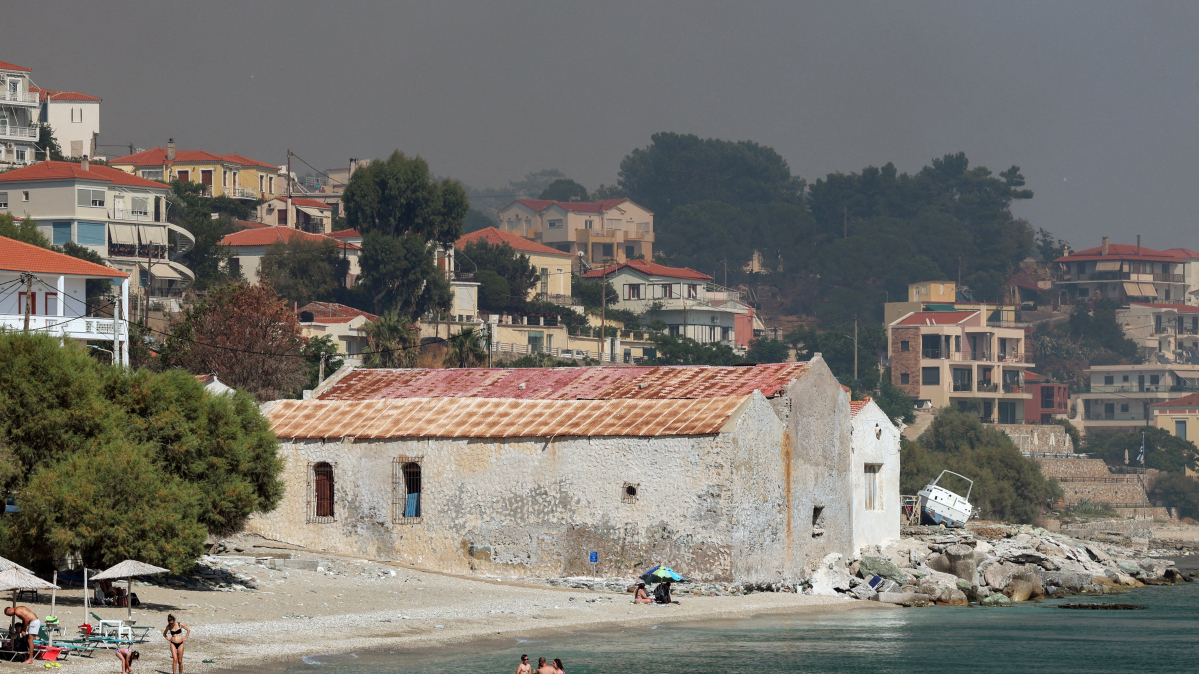
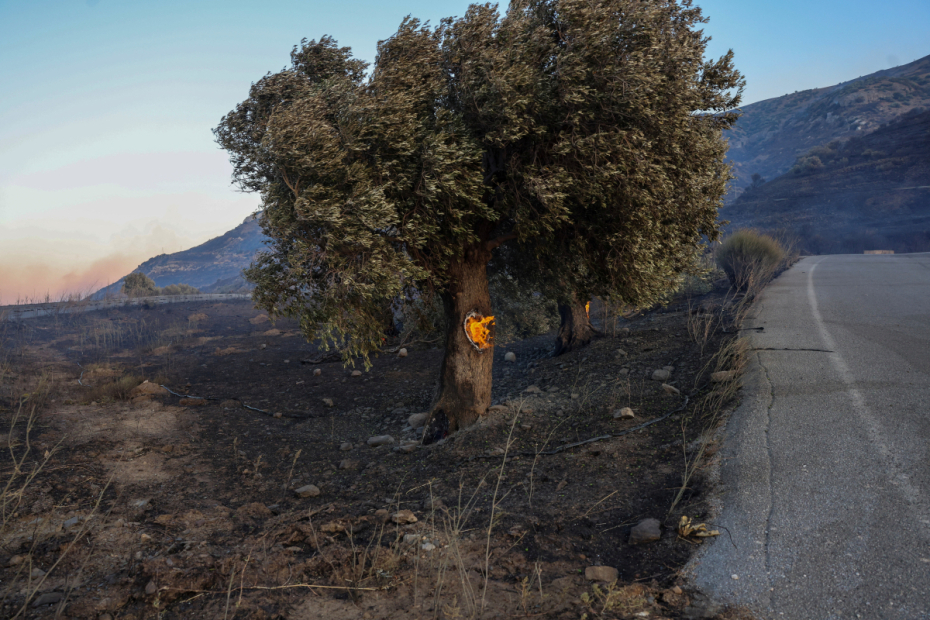
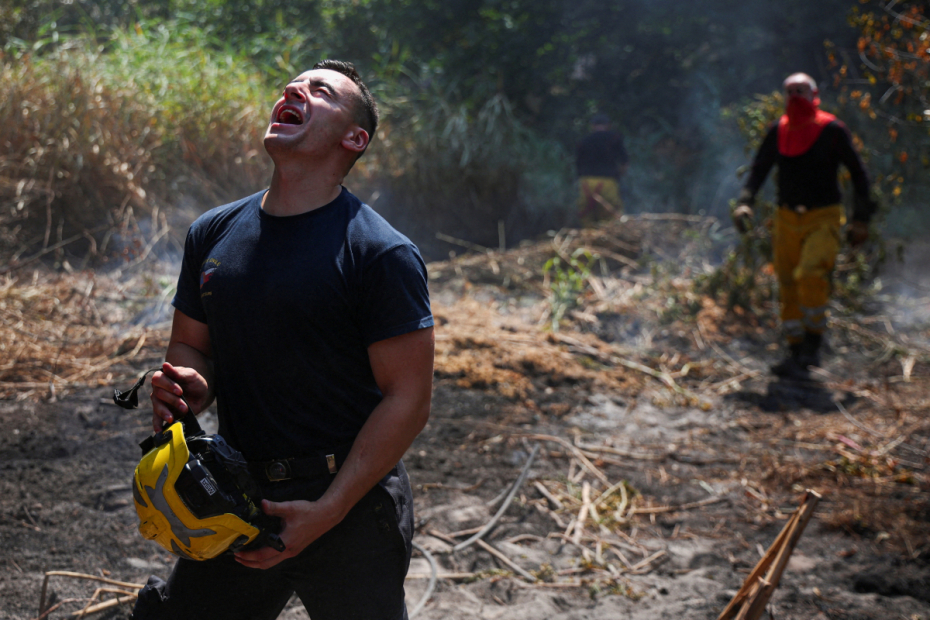
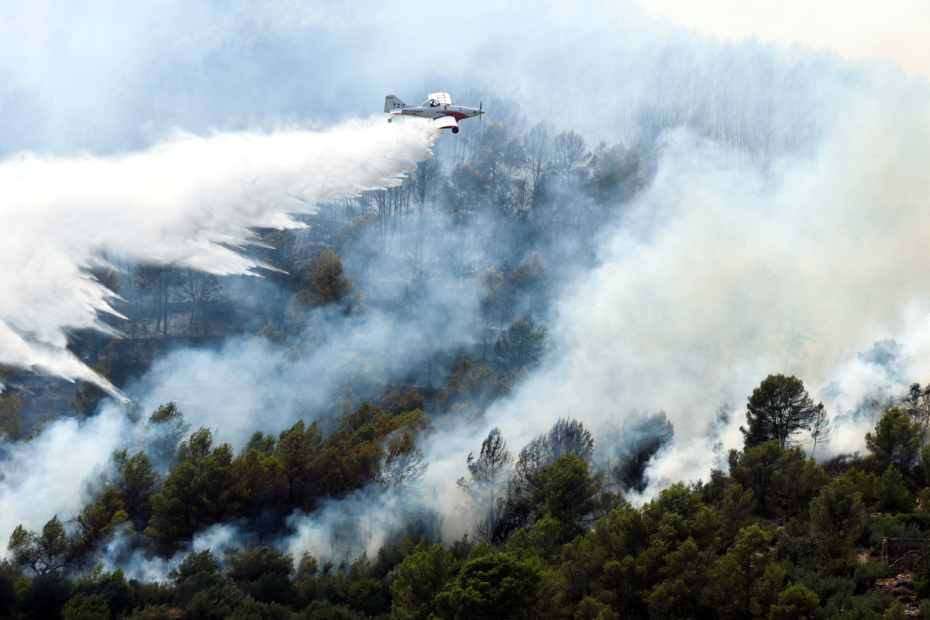
Three firefighters have died as wildfires continue to burn across Greece, with Crete facing a second day of intense blazes driven by strong winds. The fires come as Europe battles destructive wildfires fuelled by extreme heat and drought.
Two firefighters died after becoming trapped while driving between fire fronts near the village of Krya Vrysi in central Crete. A third firefighter was killed in a separate wildfire in the Peloponnese region, according to a fire department spokesperson.
Residents and tourists were evacuated from Krya Vrysi and nearby villages as strong winds pushed the flames towards popular holiday destinations.
"The wind is unbelievable - you can't stand sometimes. The flames were huge, it was really scary," resident Chrissa Gioukaki told Reuters.
The fire also spread towards the coastal town of Agia Galini, where tourists were evacuated by bus and car, hotel owner Charalampos Sevvas said.
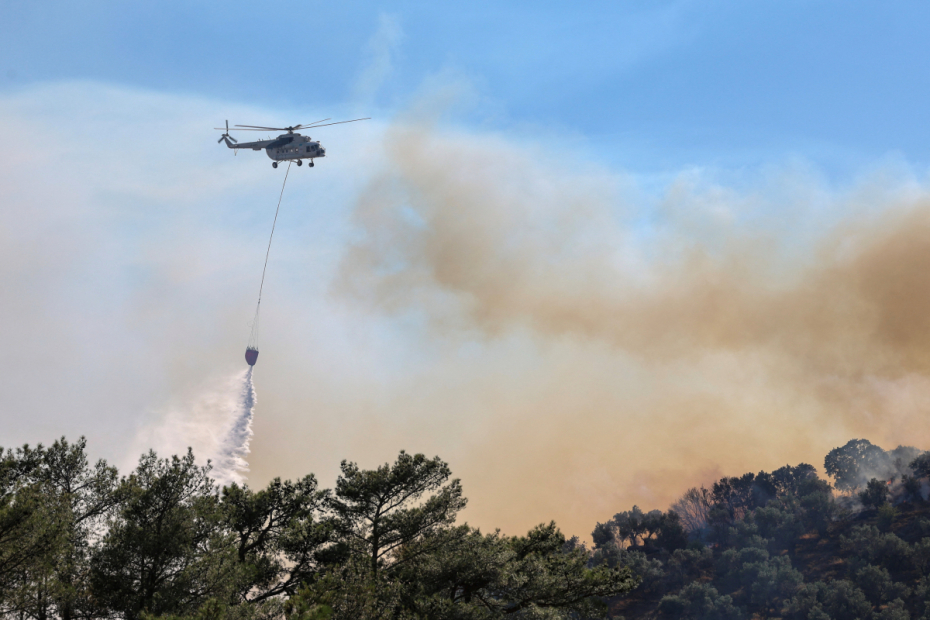
More than 200 firefighters, supported by dozens of fire engines and water-dropping aircraft, continued efforts to contain two major wildfires on Crete on Thursday.
The fires have destroyed olive groves and other agricultural land, while several warehouses and homes have been damaged.
"Unfortunately there is no improvement, and the latest information indicates that winds will increase later in the day," Giorgos Tsapakos, Crete's deputy regional governor for civil protection, told SKAI TV.
Europe faces growing wildfire risk
The head of the European Union's emergency response centre warned on Wednesday that Greece and Italy are likely to face an elevated wildfire threat in the coming weeks.
Spain and France have also experienced major wildfires in recent days, forcing evacuations and destroying large areas of forest.
Spanish Interior Minister Fernando Grande-Marlaska warned of "three tough days" ahead because of high temperatures and strong winds, although authorities have begun lifting some evacuation orders as conditions improve.
Scientists say Europe, the world's fastest-warming continent, is experiencing more frequent and severe heatwaves, with climate change creating hotter, drier conditions that allow wildfires to spread more rapidly.

A Russian guided aerial bomb has struck an apartment building in Kharkiv, injuring 22 people, including children, according to the city’s mayor. The strike follows a day of near-continuous Russian attacks across Ukraine that killed at least five people.
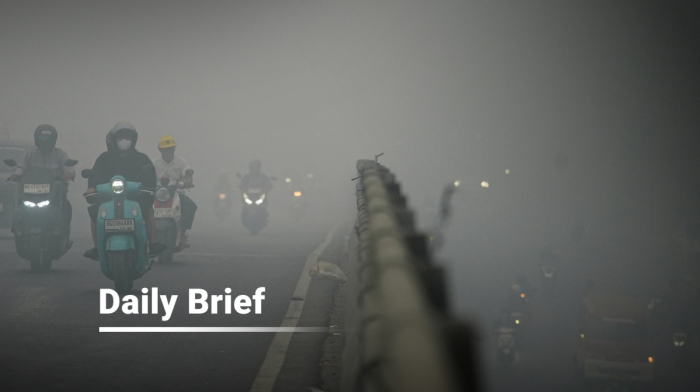
Here's your AnewZ Daily Brief for 28 September 2026. These are the top stories making headlines in technology.
Saudi Foreign Minister Prince Faisal bin Farhan has arrived in Washington for talks with U.S. Secretary of State Marco Rubio on bilateral ties and key regional and international developments, Saudi state news agency SPA reported.
Serbia's President Aleksandar Vučić resigned on Sunday, ending his second and final five-year term and paving the way for an early presidential election as the country prepares for a snap parliamentary vote on 25 October.
U.S. President Donald Trump has denied reports that he offered Iran sanctions relief and access to frozen funds in exchange for nuclear concessions.
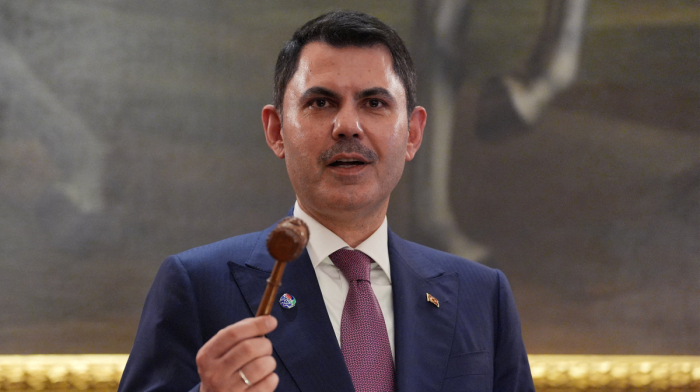
Türkiye’s COP31 presidency has unveiled an action agenda designed to turn climate commitments into concrete projects and measurable results, focusing on clean energy, waste reduction, resilient cities and industrial decarbonisation.
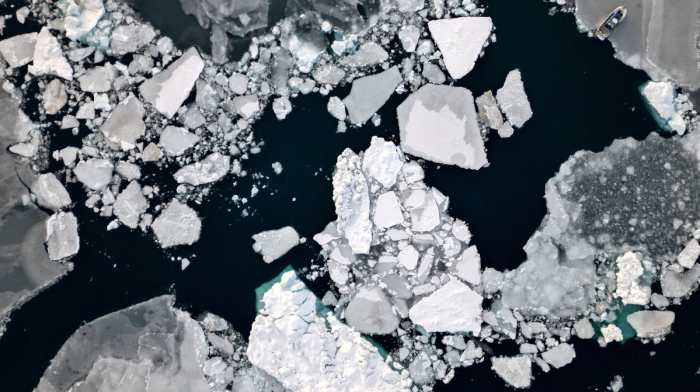
Greenland and Antarctica have shed a combined 11.3 trillion tonnes of ice since 1979, according to the most comprehensive satellite study of the planet's ice sheets to date, with researchers warning the pace of loss has accelerated sharply in recent decades.
The European Union will continue allowing large-scale plastic waste exports to Türkiye despite concerns over recycling rates, environmental damage and the risk of illegal waste trafficking.
Hundreds of thousands of deep-diving turtles, known as olive ridley sea turtles, have arrived on Mexico’s southern coast for one of nature’s most striking nesting events. But conservation officials warn that climate change is making it increasingly difficult for their eggs to hatch.
August 2026 tied as the hottest month ever recorded globally, pushing average temperatures above the critical 1.5°C threshold as extreme weather swept across several regions, the EU’s Copernicus Climate Change Service said.
You can download the AnewZ application from Play Store and the App Store.
What is your opinion on this topic?
Leave the first comment