More than 100,000 return to Afghanistan from Iran and Pakistan in two weeks
More than 100,000 people entered Afghanistan from Iran and Pakistan between 19 July and 1 August, increasing pressure on communities and humanitarian ...
Protesters in Nanyuki blocked roads and burned tyres after residents challenged a U.S. plan to house Americans exposed to Ebola at a nearby military base.
Hundreds of people took to the streets of Nanyuki in central Kenya on Monday (1 June), protesting a U.S. plan to set up an Ebola quarantine facility at a nearby military base.
The demonstrations brought sections of the town to a standstill as protesters blocked roads, marched through the streets and burned tyres. Security forces were deployed to control the situation, while Red Cross personnel assisted an injured protester during the unrest.
Residents said the planned facility would accommodate Americans exposed to the virus. Anger was also directed at elected officials, with one resident saying that no elected officials had appeared at the protest and voicing fears about the dangers Ebola could bring.
The unrest began days after Kenya's High Court ordered a temporary halt to the plan following a legal challenge. The challenge warned that placing the facility at the base could pose a public health risk.
Kenya's government has defended the plan, saying the facility would help strengthen the country's emergency response systems. Many residents remained suspicious, citing increased military activity at the base as a sign that preparations were continuing despite the court order.
The protest underlined local concern over how the quarantine plan is being handled, even as authorities argue it would improve emergency readiness.

Start your day informed with AnewZ Morning Brief. Here are the top news stories for the 5th of August, covering the latest developments.
U.S. President Donald Trump said there was an "all-day negotiation" on Tuesday with Iran, characterising the talks positively while also threatening to hit Iran "really hard" if a deal was not reached.
Shipping traffic through the Strait of Hormuz and the Bab el-Mandeb Strait, two key maritime chokepoints in the region, decreased significantly from the previous day, according to shipping data.
Start your day informed with AnewZ Morning Brief. Here are the top news stories for the 6th of August, covering the latest developments.
Kazakhstan’s main oil export corridor was disrupted by drone strikes near Russia’s Black Sea coast in July, forcing a temporary suspension of crude loadings and raising fresh concerns over the vulnerability of regional energy infrastructure to the war in Ukraine.
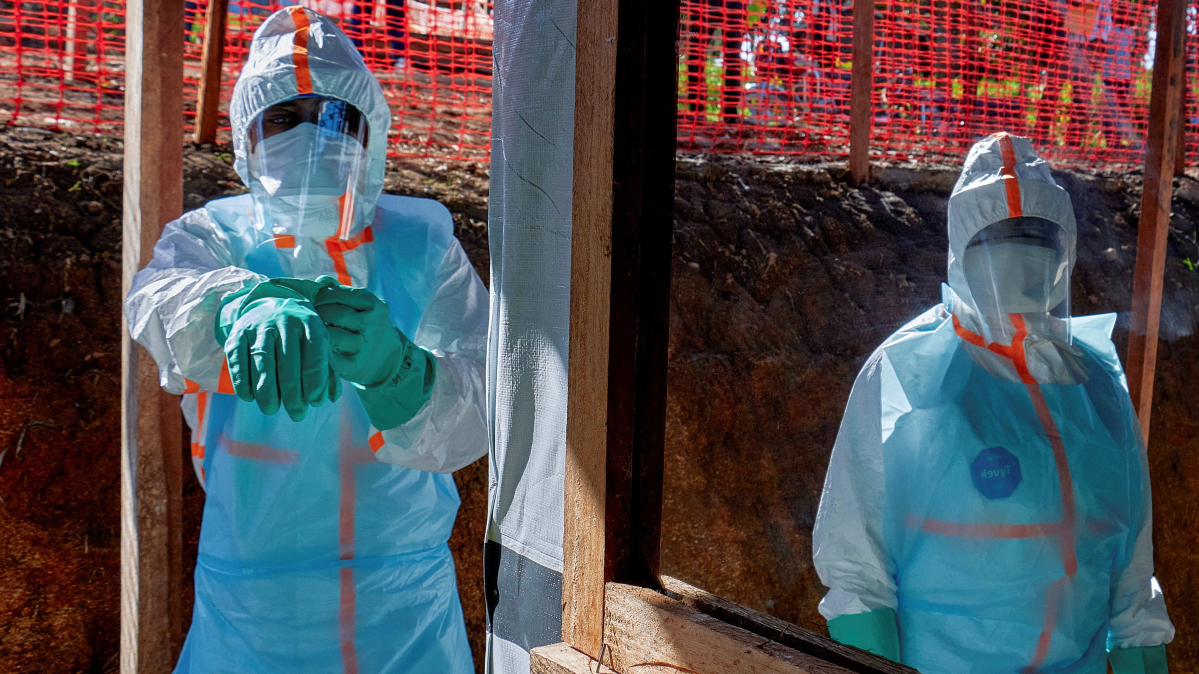
The Ebola outbreak in the Democratic Republic of Congo is expected to surpass 4,000 cases this week, with delayed detection, weak surveillance, funding shortages and conflict allowing the virus to spread faster than in any previous epidemic at the same stage.
Australia warned on Monday (3 August) of a wider spread of H5N1 bird flu after its first confirmed mass mortality event among seabirds killed about 50 greater crested terns off the coast of South Australia, south of Adelaide.
Cancer patients in Sudan are struggling to access life-saving treatment as soaring medication costs, power shortages and damaged hospital infrastructure deepen the country's healthcare crisis after more than three years of war.
The world risks a resurgence of the HIV epidemic after international funding fell by nearly a fifth last year, according to a new report from UNAIDS, which warned that decades of progress against the disease could be reversed without renewed global support.
A global shift towards healthier diets, more efficient farming and reduced food waste could cut greenhouse gas emissions from agriculture-related land-use change by 85% by 2050, according to a study published last week in the journal Nature.
You can download the AnewZ application from Play Store and the App Store.
What is your opinion on this topic?
Leave the first comment