The Democratic Republic of the Congo (DRC) has declared the end of a 16th Ebola outbreak, closing a two month emergency in Kasai Province that pushed national and international teams into an intensive response.
Health authorities in Kinshasa confirmed the declaration on 1 December after weeks of work in Bulape, where the outbreak began on 4 September.
By the time transmission was halted, officials had registered 64 cases, including 53 confirmed and 11 listed as probable, and 45 deaths.
The Ministry of Health led the operation on the ground while the World Health Organization (WHO) and partner agencies equipped clinics, deployed staff and supported the logistics needed to stay ahead of the virus.
Ebola is a rare but often fatal illness spread through direct contact with infected blood or body fluids or contaminated surfaces.
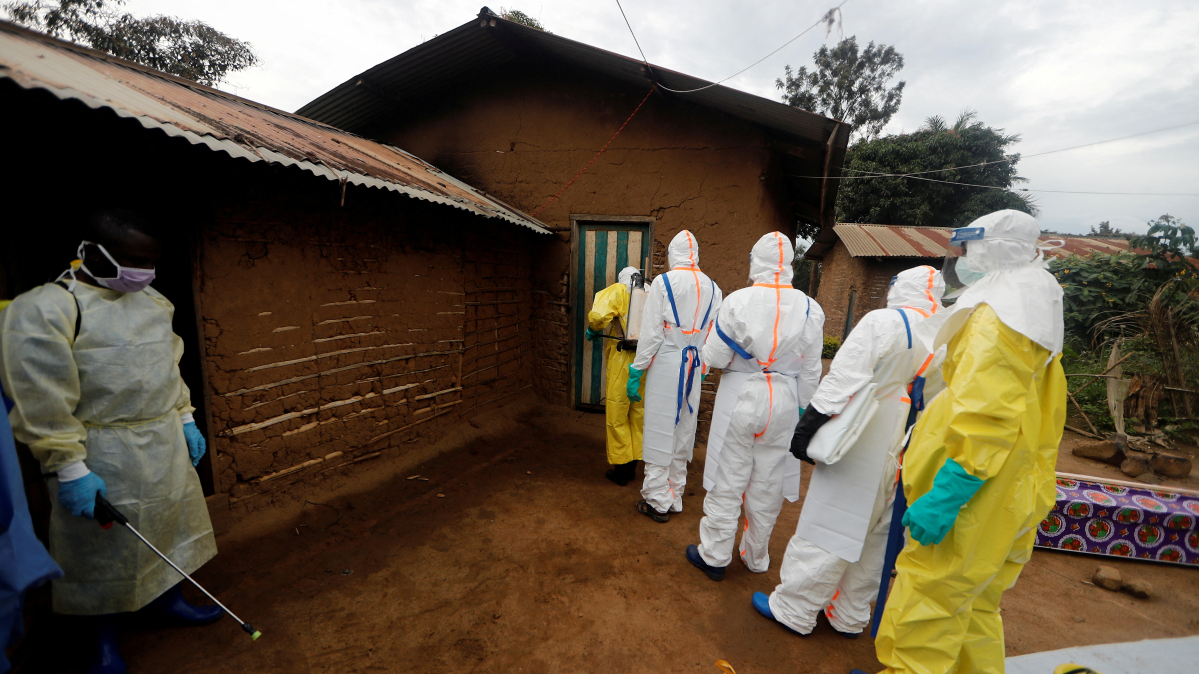
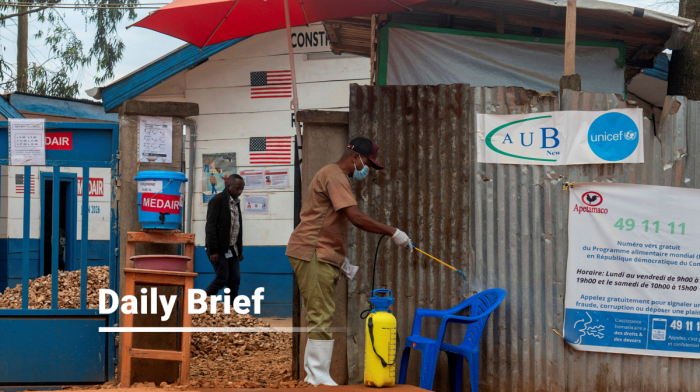
Teams in Kasai worked across improvised treatment areas, isolation rooms and makeshift tunnels of tents, where WHO signage and protective equipment became a familiar part of the landscape.
Health workers in heavy PPE moved between patients, carried out routine checks, and worked with those recovering, while others rotated through safe zones to remove and replace gear.
The response relied on a large deployment of specialists. WHO sent 112 experts and frontline responders to reinforce national efforts.
More than 150 tons of medical supplies and equipment were delivered, some flown in on Unted Nations helicopters and others moved through warehouses in Bulape with forklifts before being sent to treatment centres.
For the first time in an Ebola outbreak, responders used the Infectious Disease Treatment Module, an innovative structure developed by WHO, the World Food Programme and partner organisations.
The modular design created safer working conditions for health staff and offered a more comfortable environment for patients, allowing closer monitoring without compromising protection.
Outside the treatment tents, water installations provided by WHO supported hygiene needs in the wider community. Residents moving through Bulape spoke of the relief that came with each recovery, and the return of survivors to their families became a moment of local celebration.
Those events in early October, marked visible progress in a place that only weeks earlier was receiving emergency helicopter deliveries to sustain the response.
Officials say improvements in preparedness, new treatment options and updated vaccines helped shorten the outbreak and reduce the number of deaths.
WHO stressed that national capacities in the DRC have strengthened after years of dealing with repeated outbreaks, enabling quicker detection and earlier intervention.
The agency added that continued vigilance remains essential, given how rapidly the virus can spread before symptoms become severe.
The end of the outbreak has given Kasai Province a measure of stability after an intense period of work, although responders note that the lessons of Bulape will shape the country’s approach to future threats.
The final clearance was issued after teams confirmed no new cases and completed the standard observation period, bringing an official close to an emergency that began quietly and ended through a coordinated effort across treatment centres, communities and supply lines.














What is your opinion on this topic?
Leave the first comment