The World Health Organization (WHO) has released $2m in emergency funding to support health responses in Lebanon, Iraq and Syria as escalating regional conflict strains hospitals, raises displacement and increases pressure on already fragile health systems.
The funds come from the WHO’s Contingency Fund for Emergencies, an internal rapid-response mechanism that allows the organisation to quickly finance critical health operations while additional donor support is mobilised.
“Escalating conflict in the Middle East is intensifying demands on health systems,” said Hanan Balkhy, WHO Regional Director for the Eastern Mediterranean. She said health services in several countries were already under severe strain and required urgent support to maintain lifesaving care and sustain frontline health workers.
Lebanon under pressure
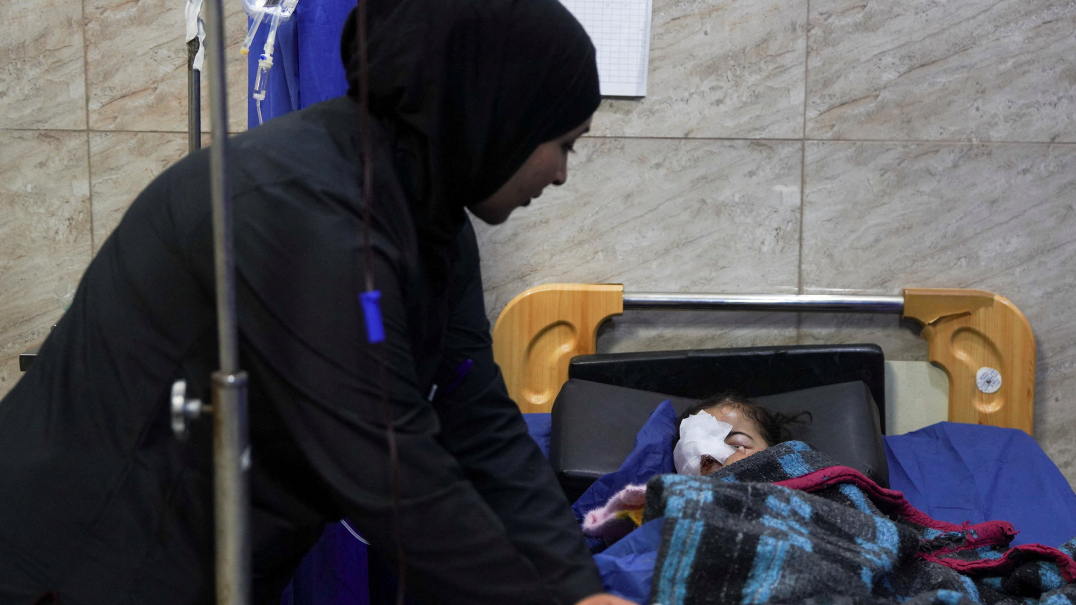
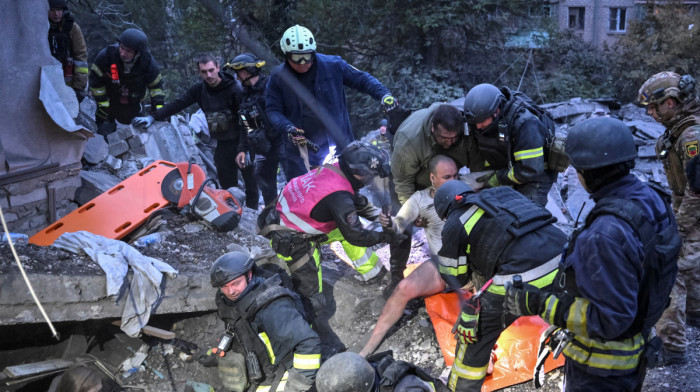
Lebanon will receive $1 million to help respond to growing humanitarian needs as hospitals treat increasing numbers of wounded patients and cope with damage to health facilities and large-scale population displacement.
The funding will support emergency coordination through the country’s Public Health Emergency Operations Centre, strengthen trauma care, enhance disease surveillance and supply essential medicines and medical equipment. WHO’s response in Lebanon is also being supported by contributions from the European Union and Japan.
The announcement comes after António Guterres, Secretary-General of the United Nations, visited Lebanon on the 14th of March, 2026 and warned that the country risks being drawn deeper into the expanding regional conflict.
Guterres called for restraint from all sides and stressed the urgent need to protect civilians and critical infrastructure, including hospitals and health services.
Pressure on health systems across the region
In Iraq, WHO will allocate $500,000 to help hospitals dealing with increased demand for trauma and emergency care, particularly in areas affected by conflict and violent demonstrations. The funds will support mass-casualty response, procurement of medical supplies, mental health services and improved disease surveillance.
Another $500,000 will support health services in Syria, where tens of thousands of people have recently crossed from Lebanon amid the deteriorating security situation. Health teams are working to provide care for displaced communities and prevent potential disease outbreaks.
WHO said emergency funds could also be made available for Iran if support is requested as the regional crisis unfolds.
Rising humanitarian needs
The funding comes as the Middle East faces rising humanitarian needs linked to the widening confrontation involving Iran, Israel and allied groups across the region.
Azerbaijan and Russia have sent a total of about 43 tonnes of humanitarian aid separately to Iran since the start of the war, while France announced it would send around 60 tonnes of aid to Lebanon in the wake of Israeli strikes.
Before the latest escalation, WHO had already appealed for $633 million to respond to health emergencies across the Eastern Mediterranean region in 2026. As of March, only 37% of that funding has been secured, leaving a significant shortfall.
WHO warned that its emergency fund is becoming severely depleted due to reductions in global humanitarian financing, which could limit the organisation’s ability to respond rapidly to new crises.











What is your opinion on this topic?
Leave the first comment