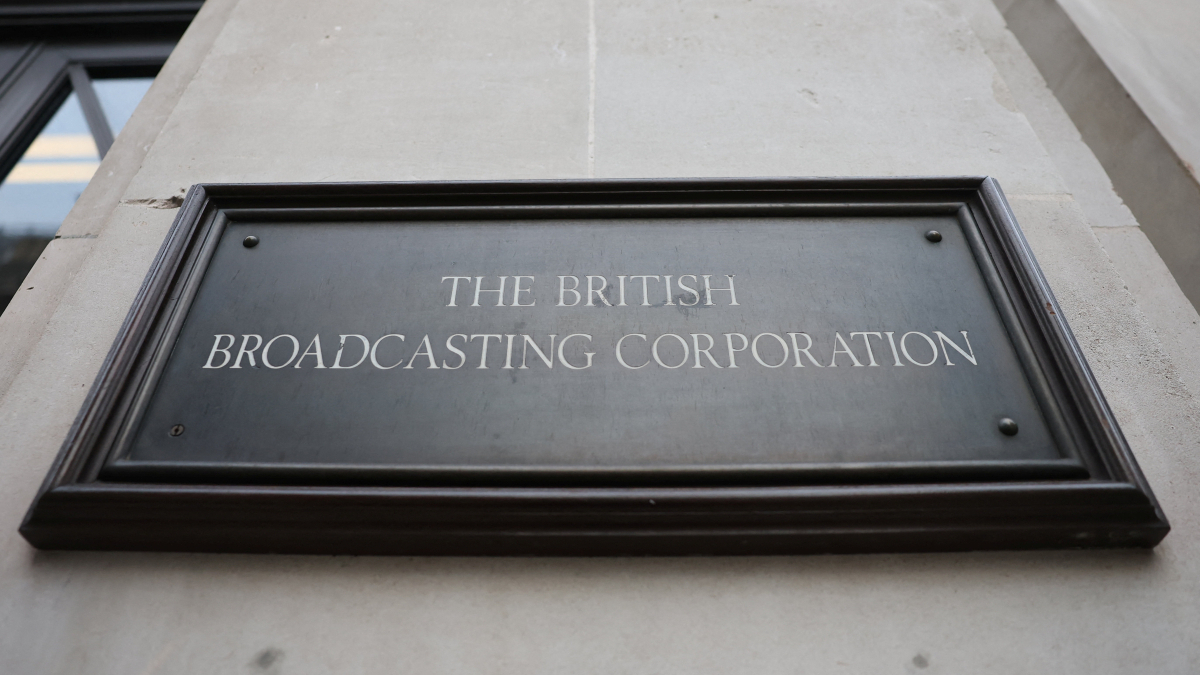
Court documents released on Monday (16 March) revealed that the British Broadcasting Corporation (BBC) has asked a U.S. judge to dismiss President Donald Trump's $10 billion defamation suit over a 2024 documentary, arguing his re-election proves the edited 2021 speech did not harm his reputation.
Trump claimed the broadcaster defamed him by splicing parts of his 6 January 2021 speech to make it appear he directed supporters to storm the Capitol.
The documentary, first broadcast in 2024 shortly before the presidential election Trump won, included one segment where he urged supporters to march on the Capitol and another, nearly an hour later, where he said "fight like hell".
While the BBC has apologised for the edit, its lawyers argue that the documentary did not air in Florida, where the suit was filed.
He "cannot plausibly claim that the documentary harmed his reputation," the BBC's lawyers said in their court submissions.
A federal judge in Miami is reviewing the BBC’s motion to dismiss and a trial is set for February 2027 if the BBC's motion to dismiss is not successful.
Controversy fallout
Senior BBC resignations followed the lawsuit.
In November 2025, the broadcaster’s Director‑General Tim Davie and news chief Deborah Turness resigned after the Panorama film’s edited sequence was criticised for giving a misleading impression of Trump’s speech.
Legal experts say the case could affect how international media handle politically sensitive content. If the BBC succeeds, it reinforces press protections and editorial freedom.
If not, it could encourage similar lawsuits and lead media organisations to be more cautious when covering polarising figures.
















What is your opinion on this topic?
Leave the first comment