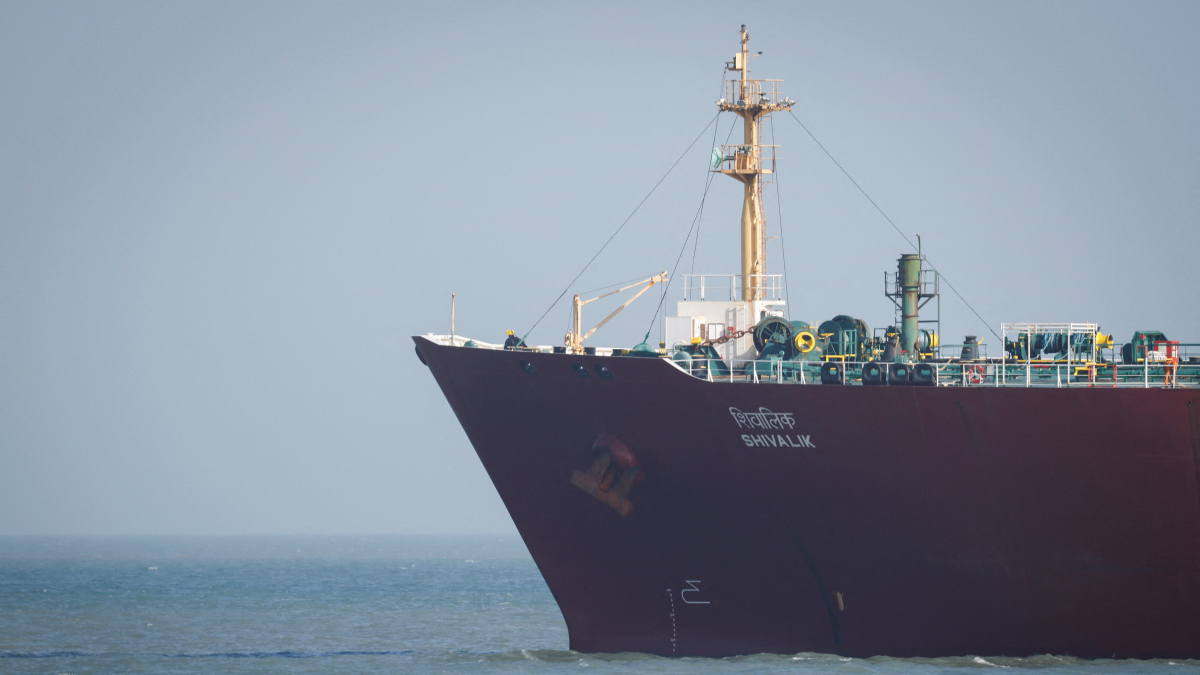
Governments around the world are responding cautiously to U.S. President Donald Trump’s call for countries to send naval ships to the Strait of Hormuz to protect commercial shipping and help restore the flow of global oil supplies.
The strait - a narrow waterway between Iran and Oman - is one of the most critical energy routes in the world. Roughly a fifth of global oil and liquefied natural gas normally passes through it. But the ongoing U.S.-Israeli war with Iran has largely shut the route to tanker traffic, pushing up oil prices and raising fears of wider economic disruption.
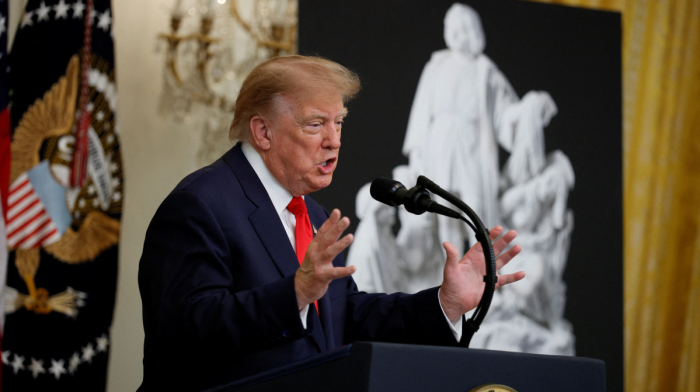
Over the weekend, Trump urged several nations, including the United Kingdom, China, France, Japan and South Korea, to deploy ships to the area. Writing on his Truth Social platform, he argued that protecting the shipping lane should be a shared international responsibility.
In an interview with the Financial Times later on Sunday, Trump sharpened his message, warning that failing to safeguard the waterway could have consequences for the future of NATO.
So far, however, the response from many governments has been measured - and in some cases reluctant.
Britain signals cooperation but rules out NATO role
In London, Prime Minister Keir Starmer said the UK was working with allies to find a practical way to help reopen the strait, but he made clear that any action would not be carried out under a NATO mission.
Officials say discussions are continuing behind the scenes, reflecting the delicate balance many governments are trying to strike between protecting trade routes and avoiding deeper military involvement in the conflict.
Germany rejects involvement
Germany has taken a firmer stance. Defence Minister Boris Pistorius said Berlin would not take part in a mission to secure the strait.
“This is not our war. We did not start it,” he said, signalling that Germany does not see a military role for itself in the crisis.
South Korea and Japan weigh their options
In Asia, both South Korea and Japan have responded cautiously.
South Korea’s presidential office said Seoul would remain in close contact with Washington and would review the situation carefully before making any decision.
Japan’s Defence Minister Shinjiro Koizumi went further, telling parliament that Tokyo is not currently considering launching a maritime security operation linked to the conflict.
Australia also rules out sending ships
Australia has also indicated it will stay out of the mission. Cabinet minister Catherine King told national broadcaster ABC that Canberra does not plan to deploy naval vessels to the strait.
China calls for stability
China, one of the world’s largest energy importers and heavily reliant on Gulf oil, has not directly answered whether it would participate in a naval effort.
A spokesperson for the Chinese embassy in Washington instead stressed that all parties share responsibility for ensuring energy supplies remain stable and that shipping routes remain open.

















What is your opinion on this topic?
Leave the first comment