The war in the Middle East is beginning to disrupt the flow of critical medicines to Gulf countries, raising concerns about the supply of cancer treatments and other temperature-sensitive drugs, according to pharmaceutical industry executives.
Air routes and shipping lanes across the region have been affected by the escalating conflict, forcing drugmakers and logistics companies to reroute shipments and search for alternative ways to move medicines into the Gulf.
Although there are no widespread shortages yet, industry leaders warn that supplies could become strained if the conflict continues.
Conflict spreads across key transit hubs
The latest disruption follows U.S. and Israeli attacks on Iran two weeks ago, which were followed by Iranian strikes across the region. The escalating hostilities have led to the closure of major airports and shipping routes that are central to global cargo networks.
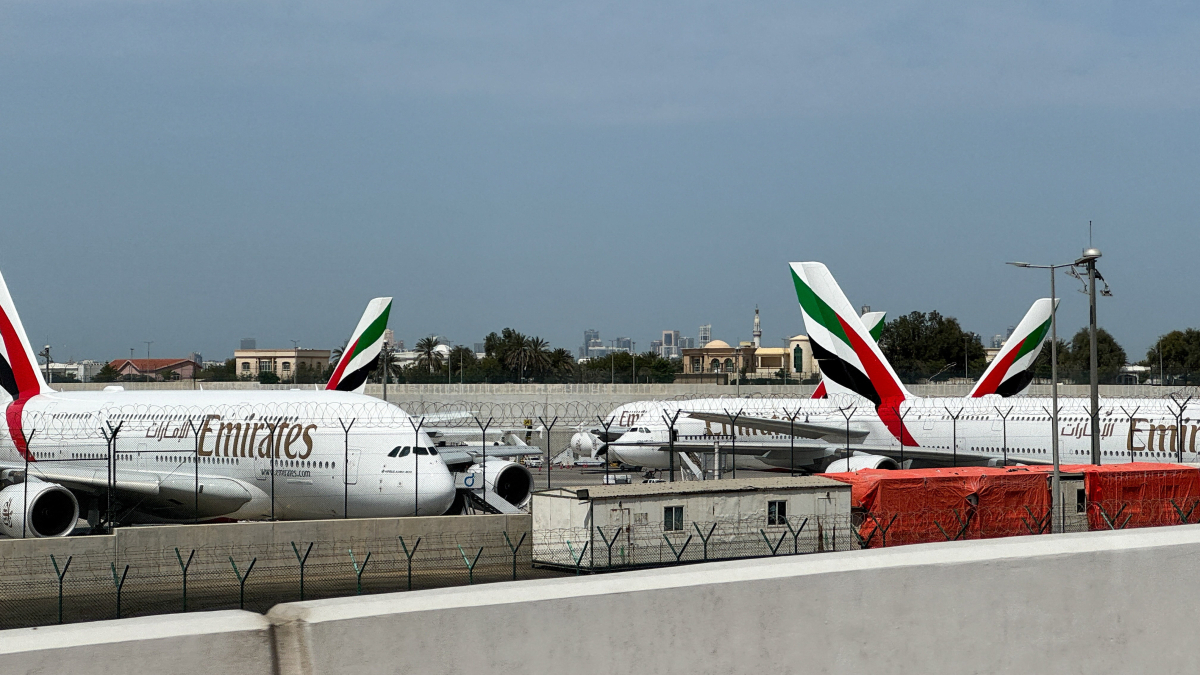
Airports in Dubai, Abu Dhabi and Doha - key logistics hubs linking Europe with Asia and Africa - have been shut following the strikes. These airports normally handle large volumes of pharmaceutical cargo transported by major airlines and global logistics companies.
The closures have slowed the movement of many goods, from medicines to food and oil, creating wider supply-chain challenges across the region.
Cancer drugs and refrigerated medicines at risk
Pharmaceutical companies say the disruption poses particular risks for medicines that require strict temperature control. Many cancer treatments and specialised drugs must be kept within a narrow temperature range to remain safe and effective.
Executives warn that these medicines rely on tightly managed “cold-chain” transport systems designed to keep products refrigerated throughout their journey.
Because some drugs also have short shelf lives, delays or longer routes can quickly complicate deliveries.
Drugmakers search for alternative routes
In response, Western pharmaceutical companies are seeking alternative entry points into the Gulf.
Some shipments are now being routed through airports in Saudi Arabia, such as Jeddah and Riyadh, before being transported overland by truck to other countries in the region. Other companies are exploring routes through Istanbul or Oman.
One pharmaceutical executive said companies had set up internal teams to prioritise shipments of patient-critical medicines, including cancer treatments.
However, they warned that some temperature-controlled cargo could still miss connections unless suitable storage and handling facilities are available along the new routes.
Companies track shipments already in transit
Medical device and pharmaceutical firms are also reviewing supply chains to manage the disruption.
One industry executive said the first step was identifying shipments already in transit or waiting to depart. Companies then had to decide which deliveries should be diverted and whether entirely new shipping plans were needed.
For now, the industry is managing the disruption, but executives caution that a prolonged conflict could place increasing pressure on the supply of essential medicines across the Gulf.















What is your opinion on this topic?
Leave the first comment