Russia says suspect in shooting of top general detained in Dubai
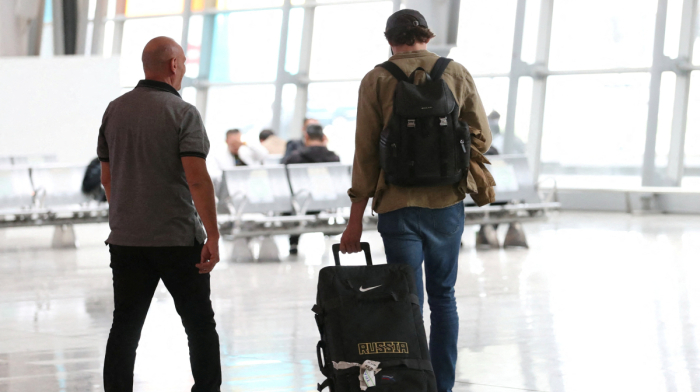
A Ukrainian-born Russian citizen has been extradited to Moscow from Dubai on suspicion of gravely injuring one of Russia's most senior intelligence of...
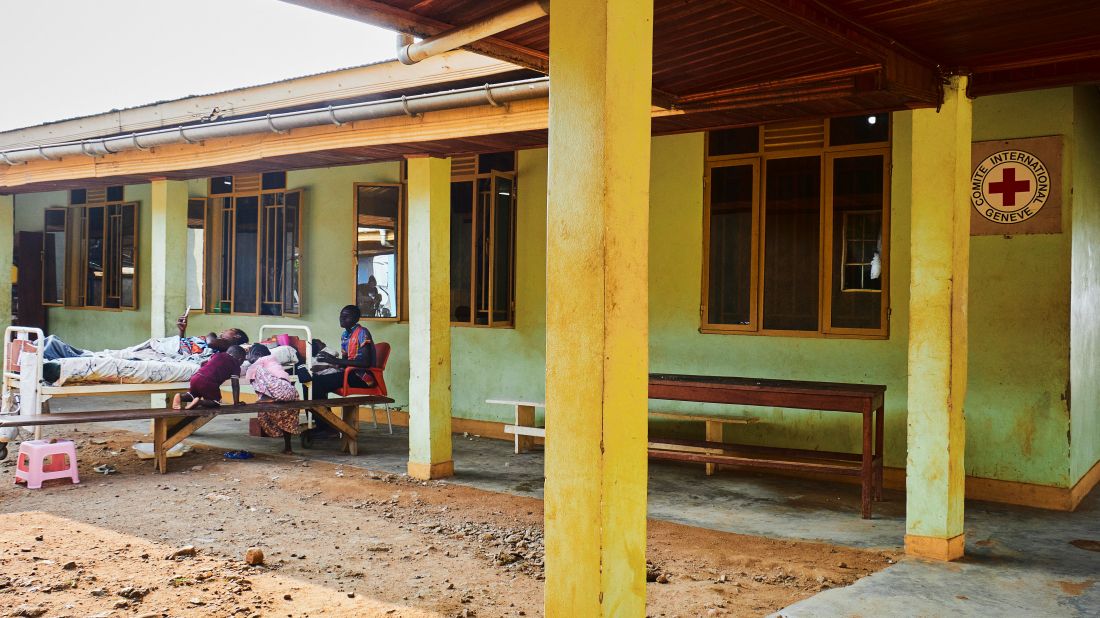
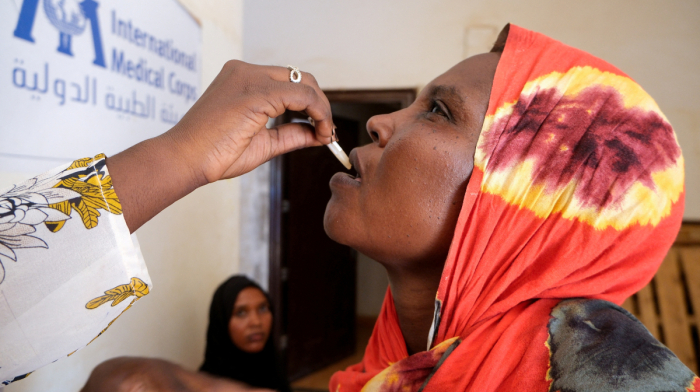
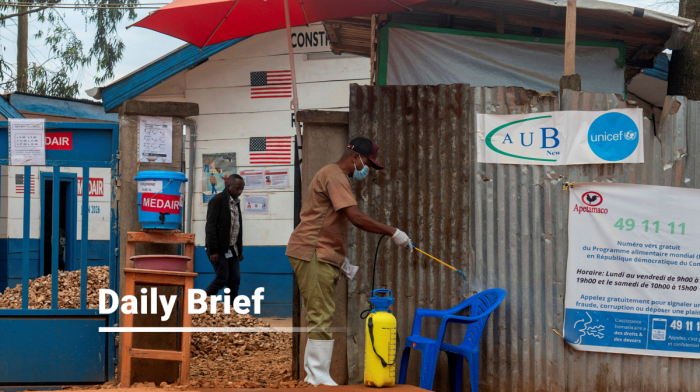
More than 200 health facilities in war-hit eastern Congo have run out of medicines due to widespread looting and supply chain disruptions during fighting this year, the International Committee of the Red Cross (ICRC) said on Wednesday.
The finding is part of a survey conducted last month of 240 health centres and clinics in North and South Kivu provinces.
It is the largest such assessment the ICRC has carried out since a lightning advance by Rwanda-backed M23 rebels spurred fighting that has killed thousands.
Nearly nine out of 10 surveyed facilities were fully out of medicines.
Staff shortages affected 40% of facilities covered by the survey, 13% were completely nonfunctional and "many" reported consistent supply shortages going back to January, when M23 seized Goma, the largest city in the region.
Rwanda has long denied backing M23 and says its forces act in self-defense. But a group of U.N. experts said in a report in July that Kigali exercised command and control over the rebels.
The healthcare crisis has reached "a critical point" with armed conflict intensifying as humanitarian funding drops, said Francois Moreillon, head of the ICRC delegation in Democratic Republic of Congo.
The ICRC warned that the lives of residents are "at immediate risk" as malaria, HIV, tuberculosis, and other diseases go untreated.
Amani Habimana, a resident of Ruke town in Masisi territory in North Kivu province, was shot in the thigh while caught up in fighting between M23 combatants and a local militia.
Her family took her to multiple hospitals where doctors said they did not have the necessary supplies to treat her broken femur. She finally reached the city of Beni nearly two months after the shooting occurred.
Samson Muhindo Kalumbi, who works for the ICRC at the general hospital in Beni, said such cases were common, with many patients who struggle to find care ultimately arriving in Beni with infected wounds.
"We are losing many limbs due to the distance and the delay in accessing care," he said.
The ICRC on Wednesday called on all parties to ensure the safe passage of health workers in the war-hit regions, which would help alleviate staff shortages.
M23 and Congo's government did not immediately respond to requests for comment on ICRC's findings.

U.S. President Donald Trump has criticised American freestyle skier Hunter Hess after the athlete said he felt conflicted about representing the United States at the Winter Olympics in Italy, sparking a public clash that highlights growing political tensions surrounding the Games.
Iran would retaliate by striking U.S. military bases across the Middle East if it comes under attack by American forces, Foreign Minister Abbas Araghchi said on Saturday (7 January), stressing that such action should not be seen as targeting the countries hosting those bases.
U.S. skiing great Lindsey Vonn underwent surgery in an Italian hospital on Sunday after her attempt to win Olympic downhill gold ended in a violent crash just seconds into the race at the Milano Cortina Winter Games.
Several avalanches struck northern Italy on Saturday, killing at least three people, as rescue officials warned the death toll could rise with unstable conditions persisting across the Alps.
A Japanese city near Mount Fuji has cancelled its annual cherry blossom festival, saying growing numbers of badly behaved tourists are disrupting daily life for residents.
A Florida university has become a new hotspot in a widening U.S. measles outbreak, with health officials confirming multiple infections and hospitalisations.
The World Health Organization has added the Nipah virus to its list of the world’s top 10 priority diseases, alongside COVID-19 and the Zika virus, warning that its epidemic potential highlights the global risk posed by fast-spreading outbreaks.
Belgian authorities are examining suspected cases of infants falling ill after consuming recalled Nestle baby formula, amid warnings that confirmed infections may be underestimated due to limited testing requirements.
Two Nipah infections involving health workers in India have triggered heightened screening across Southeast Asia as authorities move to prevent the high fatality virus from spreading beyond the country.
The World Health Organization (WHO) has said it regrets the United States’ decision to withdraw from the UN health agency and hopes Washington will resume active participation in the future.
You can download the AnewZ application from Play Store and the App Store.
What is your opinion on this topic?
Leave the first comment