Moldova to close Russian cultural center following legal notification
Moldova has officially notified Russia that the Russian Cultural Center in Chișinău will be closed, with the institution expected to cease operation...
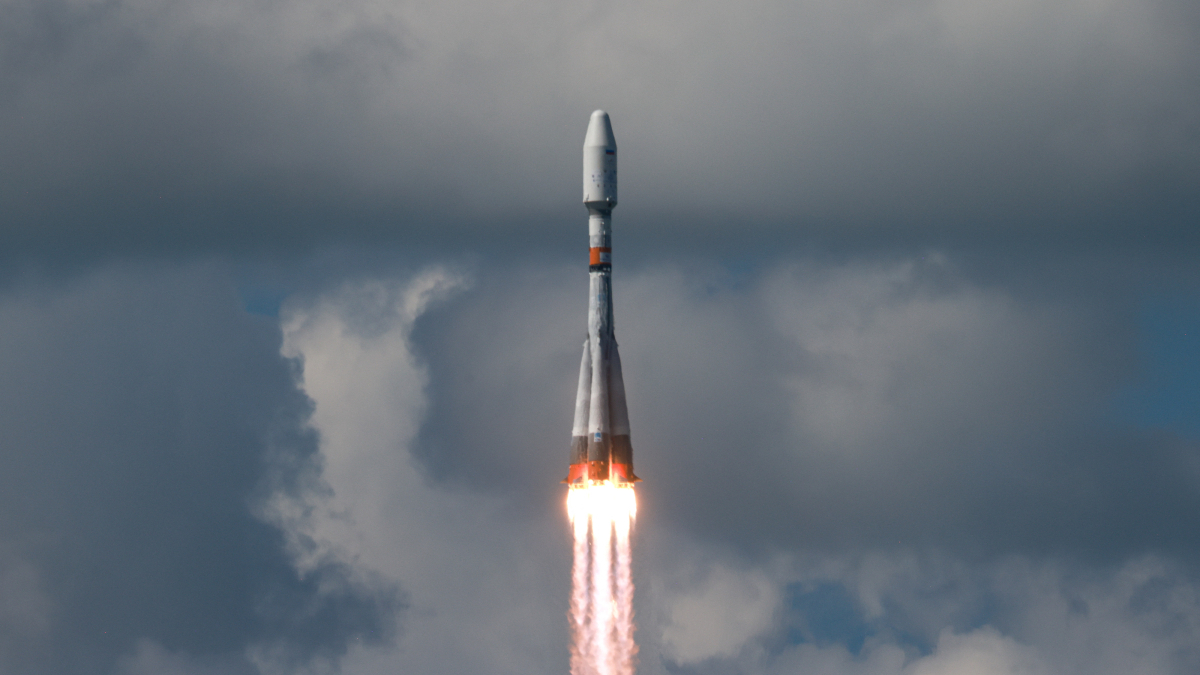
Iran successfully launched three satellites on Sunday using a Russian Soyuz rocket from Russia’s Far East, marking the latest stage in growing Iran-Russia space cooperation.
The satellites Kowsar 1.5, Paya, and Zafar-2 were carried alongside payloads from other countries, including Kuwait and Belarus.
Kowsar 1.5 is an upgraded remote-sensing satellite developed for high-resolution imaging, with a particular focus on agricultural applications. It was produced by a local knowledge-based company in collaboration with the Iranian Space Agency, demonstrating growing public-private cooperation within Iran’s space sector.
Zafar-2, designed by the Iran University of Science and Technology, is an advanced Earth-observation platform weighing between 100 and 135 kilograms. It is intended to provide high-resolution imagery for monitoring and managing natural resources.
The heaviest of the three, Paya, at approximately 150 kilograms, was produced by Iran Electronics Industries with support from the Iranian Space Agency. It is regarded as one of Iran’s most advanced domestically built imaging satellites.
The launch was broadcast live by Iran’s state media. No official reaction has yet been reported from the United States or European countries, which have previously raised concerns over Iran’s satellite programme, citing potential violations of UN Security Council resolutions—a claim Iran has consistently rejected.
Ahead of the launch, Foreign Minister Abbas Araghchi emphasised the civilian and scientific nature of the programme, stating:
"Iran’s activities in nuclear science, defence industries, nanotechnology, and satellite development are entirely peaceful and intended for peaceful purposes."
Kazem Jalali, Iran’s ambassador to Russia, highlighted Tehran-Moscow collaboration in the space sector, noting that this launch marks the seventh Iranian satellite carried into space by Russia. He said the partnership reflects ongoing cooperation in satellite technology, launch vehicles, and deployment.
New York placed the state under emergency measures on Friday as a powerful winter storm brought the heaviest snowfall since 2022, disrupting travel across the north-east of the United States.
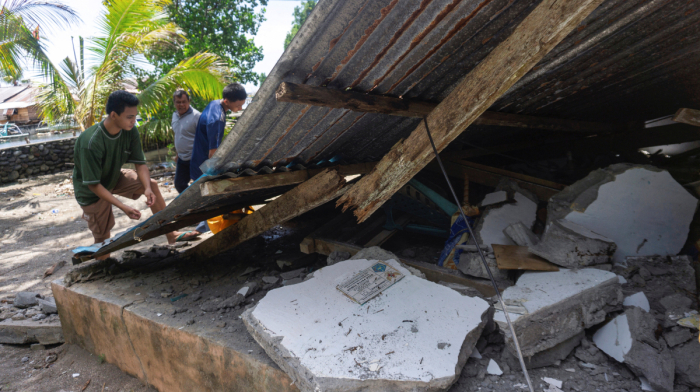
A 7.0 magnitude earthquake struck offshore near Taiwan’s north-eastern county of Yilan late on Saturday, shaking buildings across the island, including in the capital Taipei, authorities said.
Brigitte Bardot, the French actress whose barefoot mambo in And God Created Woman propelled her to international fame and reshaped female sexuality on screen, has died at the age of 91, her foundation said on Sunday.
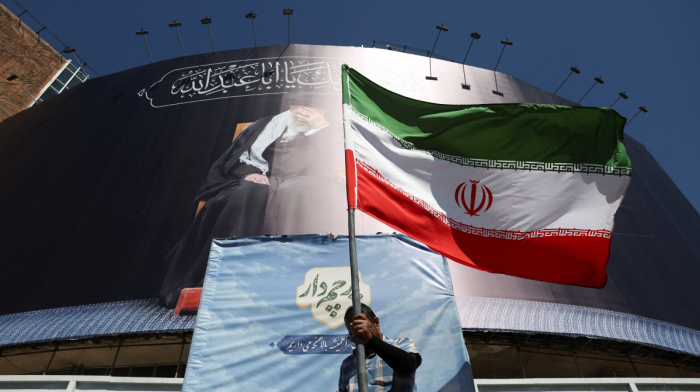
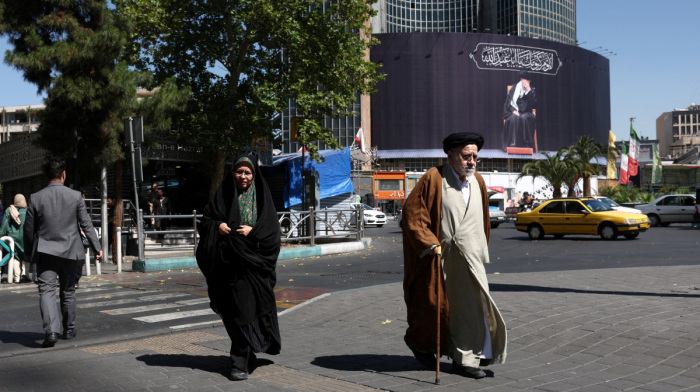
Iran is engaged in a “comprehensive war” with the United States, Israel, and Europe, Iranian President Masoud Pezeshkian stated on Saturday.
Japan’s tourism sector has experienced a slowdown after China’s government advised its citizens to reconsider travel to Japan, following remarks by Prime Minister Sanae Takaichi regarding Taiwan.
China’s core artificial intelligence (AI) industry is projected to surpass 1.2 trillion yuan in 2025 (about $170 billion), up from more than 900 billion yuan in 2024, according to a new industry assessment.
Time Magazine has chosen the creators behind artificial intelligence as its 2025 Person of the Year, highlighting the technology’s sweeping impact on global business, politics and daily life.
Children are forming new patterns of trust and attachment with artificial intelligence (AI) companions, entering a world where digital partners shape their play, their confidence and the conversations they no longer share with adults.
The International Robot Exhibition (IREX) opened in Tokyo on 3 December, bringing together visitors to explore robotics applications for industry, healthcare, logistics, and everyday life.
A bipartisan group of U.S. senators, including prominent Republican China hawk Tom Cotton, introduced the SAFE CHIPS Act on Thursday, aiming to prevent the Trump administration from easing restrictions on China’s access to advanced artificial intelligence (AI) chips for a period of 2.5 years.
You can download the AnewZ application from Play Store and the App Store.
What is your opinion on this topic?
Leave the first comment