Entrances to Iran's underground and previously bombed uranium-enrichment plant at Natanz have been struck as part of the U.S.-Israeli military attacks on the country, the United Nations nuclear watchdog, the International Atomic Energy Agency (IAEZ) confirmed on Tuesday (3 March).
The underground Fuel Enrichment Plant (FEP) is one of Iran's three uranium-enrichment plants that are known to have been operating when Israel and the United States carried out strikes on Iranian nuclear facilities last June.
"Based on the latest available satellite imagery, IAEA can now confirm some recent damage to entrance buildings of Iran's underground Natanz Fuel Enrichment Plant," the International Atomic Energy Agency said on X.
"No radiological consequence expected and no additional impact detected at FEP itself, which was severely damaged in the June conflict," it added.
The IAEA’s assessment aligns with findings from the U.S.-based think tank, the Institute for Science and International Security, which published a report on Monday. Iran had claimed Natanz was hit on Sunday, but the IAEA noted that any military strikes did not cause major damage.
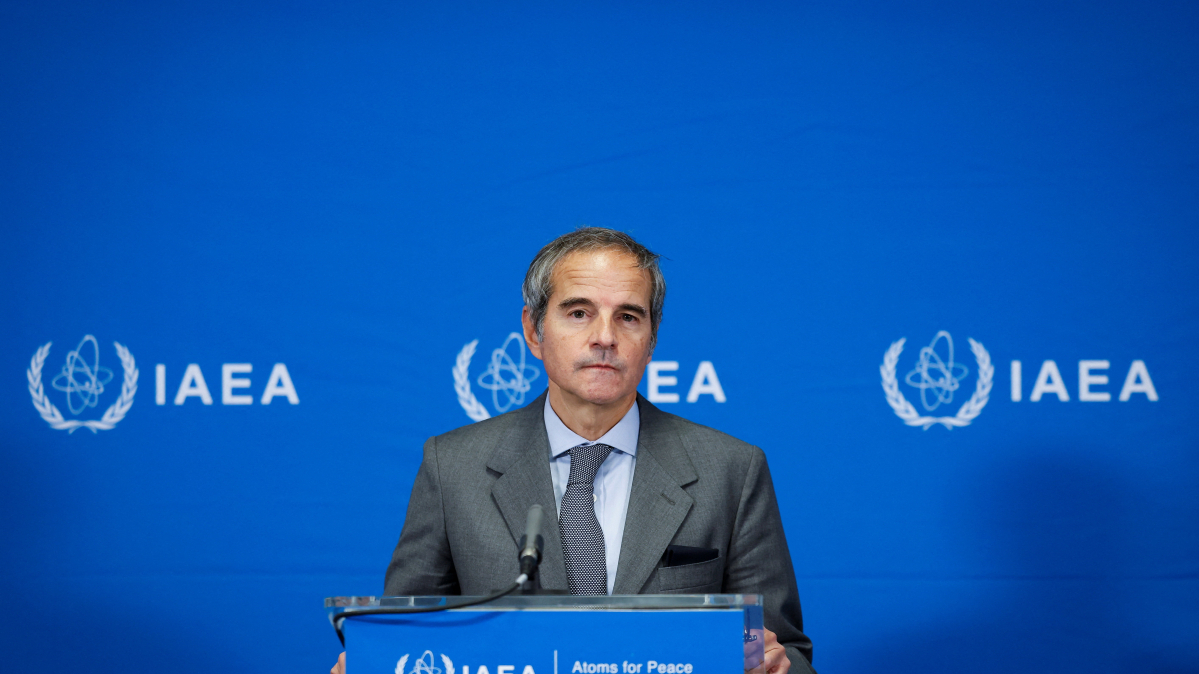
Earlier, speaking to the IAEA’s 35-nation Board of Governors, Director General Rafael Grossi said, “We have no indication that any of the nuclear installations … have been damaged or hit.
He added that “efforts to contact the Iranian nuclear regulatory authorities … continue, with no response so far.”
Grossi warned that the situation remains “very concerning” and said a potential radiological release could not be ruled out. Such an event, he cautioned, could have serious consequences, including the possible evacuation of people from large urban areas.
He reiterated calls for maximum restraint and urged all parties to return to diplomacy and negotiations. Efforts to re-establish communication channels with Iran’s nuclear regulatory authorities are ongoing but have yet to receive a response.
Iran confirms attacks on nuclear sites
Meanwhile, Iran’s ambassador to the IAEA said the U.S. and Israel attacked Iranian nuclear facilities yesterday. When asked which sites were hit, he cited Natanz.
"Again they attacked Iran's peaceful, safeguarded nuclear facilities yesterday," Reza Najafi told reporters.



















What is your opinion on this topic?
Leave the first comment