Some of Iran's most highly enriched uranium, close to weapons grade, was stored in an underground area of its nuclear site in Isfahan, the UN nuclear watchdog said in a confidential report sent to member states on Friday (27 February).
The report was sent to members of the International Atomic Energy Agency ahead of a quarterly meeting next week of its 35-country board, amid nuclear talks between the United States and Iran.
"While the Agency acknowledged that the military attacks on Iran's nuclear facilities had created an unprecedented situation, it is critical for it to conduct verification activities in Iran without any further delay," the report seen by Reuters said.
Indispensable and urgent
Allowing inspections was "indispensable and urgent", it said. The report also said a successful outcome in the U.S.-Iranian negotiations would have a "positive impact on the effective implementation of safeguards in Iran and the resolution of issues described in this report".
The IAEA estimates that Iran had 440.9 kg of uranium enriched to up to 60% before last year's Israeli-U.S. attacks- enough, if enriched further, for 10 nuclear weapons, according to an IAEA yardstick.
The agency and Western powers believe the bulk of that is still intact. Washington wants Tehran to give it up.
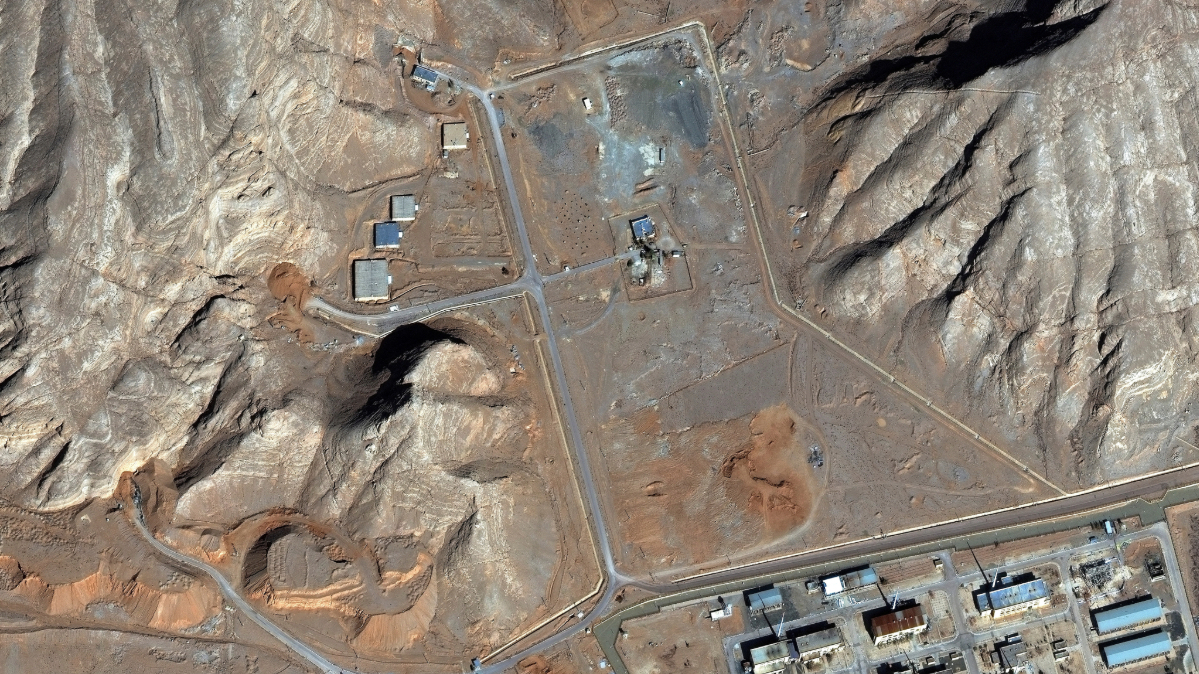
The report provided new details about activity at Isfahan, where diplomats have said much of the Islamic Republic's most highly enriched uranium has been stored in a tunnel complex that appears to have averted destruction last June.
For the first time, the report confirmed that material enriched to up to 20% and 60% had been kept there.
In satellite imagery, the IAEA had observed "regular vehicular activity around the entrance to the tunnel complex at Isfahan in which (uranium) enriched up to 20% and 60% U-235 ... was stored," it said.
The U.S.-Israeli attacks are believed to have destroyed or badly damaged the three uranium enrichment sites known to have been operating at the time.
Shortly before Israel launched its attack, Iran said it was setting up a fourth enrichment plant in Isfahan, though the IAEA still does not know its precise location or whether it is operational, the report said.
"It is a matter of increasing concern that Iran has never provided the Agency with access to its fourth declared enrichment facility since it was first declared by Iran in June last year," the report said.
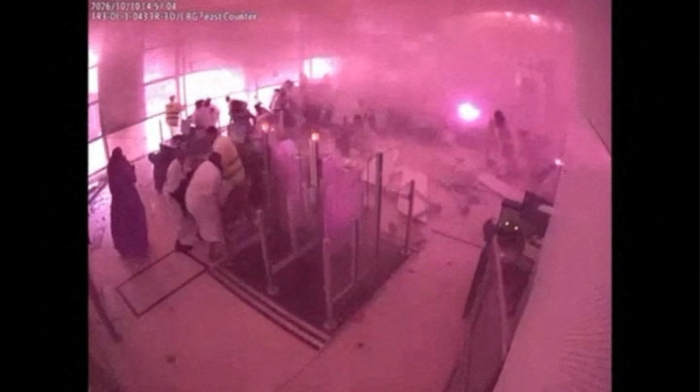
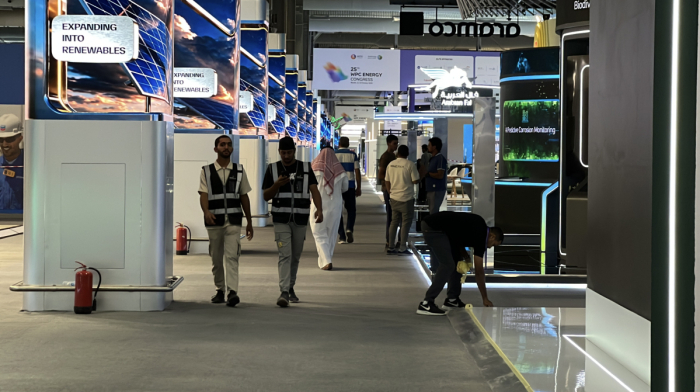
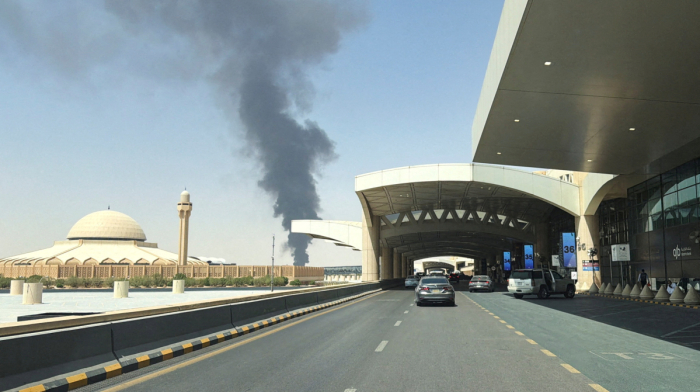
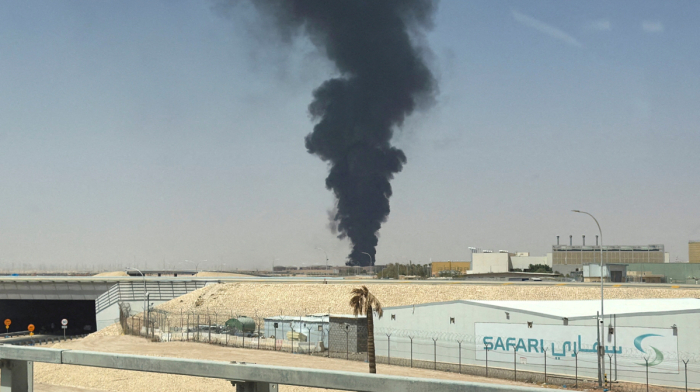
The explosion at King Khalid International Airport in Riyadh on Saturday afternoon killed at least 12 people and injured a further 309, according to Saudi Arabia’s Civil Aviation Authority. The airport remains closed until further notice.
One person was killed and nearly a dozen hurt in a new attack Riyadh's international airport on Sunday, Saudi authorities reported, a day after a strike claimed by Yemen's Houthis that killed 13 people and wounded more than 300.
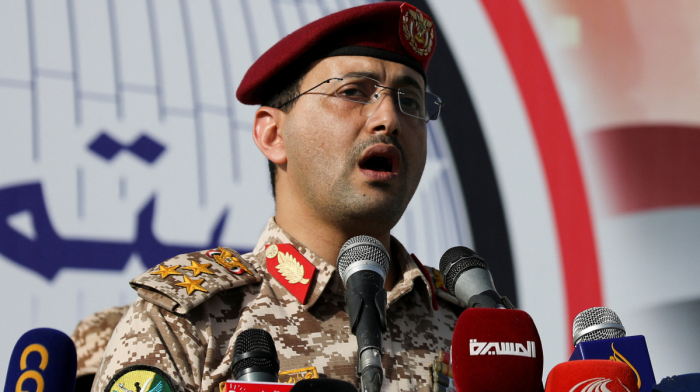
Yemen's Houthis renewed warning to airlines, airport workers, and travellers against using Saudi airports, saying the warning should be taken seriously and that the kingdom “bore responsibility for failed interceptions”, a day after an attack on Riyadh's international airport that killed 12 people.
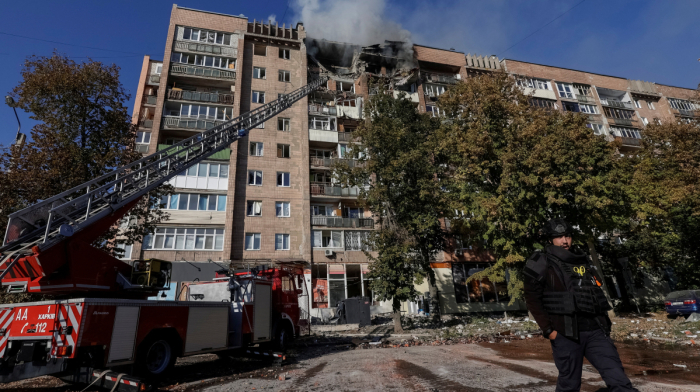
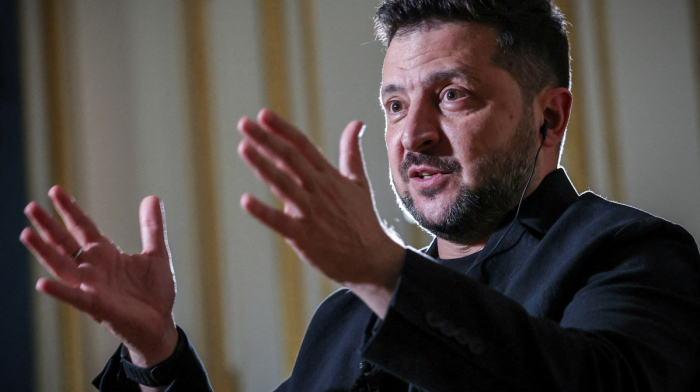
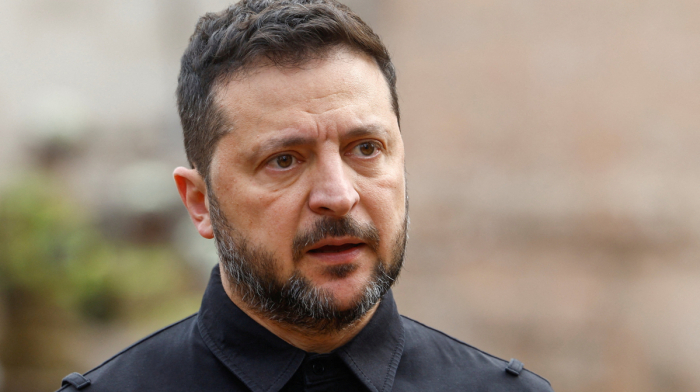
Ukraine is ready to stop attacks on Russian oil refineries if Moscow also halts strikes on Ukrainian energy infrastructure, President Volodymyr Zelenskyy said on Sunday.
The Kremlin on Monday rejected a 60-day ceasefire idea proposed by Ukrainian President Volodymyr Zelenskyy to allow his country to hold presidential elections, saying it wanted an overall peace deal instead.
Ukrainian President Volodymyr Zelenskyy said on Monday that Ukraine is ready to respect the energy ceasefire announced by U.S. President Donald Trump, but only if Russia does the same, saying Moscow has already violated the agreement.
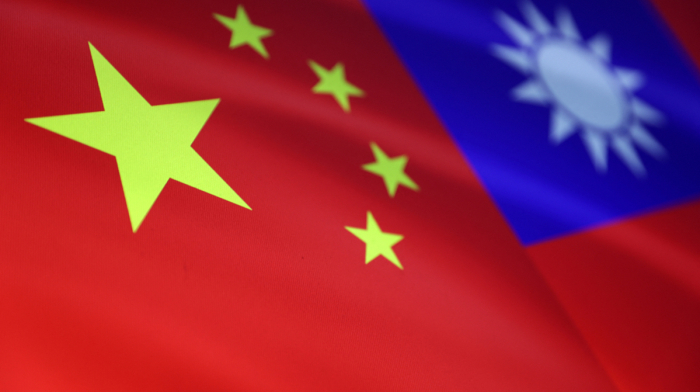
China has announced sanctions against Belize’s foreign minister and Paraguay’s communications minister over their countries’ diplomatic ties with Taiwan. The move comes as Beijing continues to pressure the few remaining nations that maintain formal diplomatic relations with Taipei.
Download the AnewZ app
You can download the AnewZ application from Play Store and the App Store.










What is your opinion on this topic?
Leave the first comment