Global cholera deaths reached their highest annual level in more than 20 years in 2025, despite a decline in reported cases, according to the World Health Organization (WHO).
The UN health agency recorded 451,499 cholera cases and 7,870 deaths across 47 countries, making 2025 the deadliest year for the disease since 1999. The rising death toll highlighted persistent gaps in access to healthcare, clean water and sanitation.
Deaths rise despite fewer infections
The WHO said the increase in fatalities was particularly concerning because cholera can be prevented and treated relatively easily when medical care is readily available.
Deaths rose by around 30 per cent from the previous year, despite a decline in reported cases. The true toll is likely to be considerably higher because of under-reporting and limited disease surveillance in many countries, according to the agency.
Chikara Ihekweazu, Executive Director of the WHO’s Health Emergencies Programme, described the trend as deeply concerning.
“No one should be dying from cholera today when we have the tools to prevent and treat this disease,” he said.
More than one in five reported cholera deaths occurred outside healthcare facilities, indicating that many patients either did not reach treatment centres or arrived too late to receive potentially lifesaving care, the WHO said.
Africa bears the heaviest burden
Africa bore the heaviest burden of the disease in 2025.
Reported cholera cases across the continent rose by 34 per cent, while deaths surged by 58 per cent from the previous year.
Seven countries accounted for around 90 per cent of reported cholera cases and deaths worldwide:
- Angola
- Bangladesh
- Democratic Republic of Congo
- Nigeria
- South Sudan
- Sudan
- Yemen
Several of these countries face conflict, displacement, economic hardship or climate-related disruption, making access to healthcare and clean water more difficult.
According to the WHO, cholera outbreaks are closely linked to inadequate sanitation, unsafe drinking water, overcrowding and poor hygiene.
Why cholera remains deadly
Cholera is caused by the bacterium Vibrio cholerae and is typically spread through contaminated food or water.
The disease can cause severe diarrhoea and dehydration and can be fatal within hours without treatment.
Although most infected people experience mild symptoms or none at all, some develop severe, potentially life-threatening illness. The WHO estimates that cholera causes between 1.3 million and 4 million infections globally each year, with between 21,000 and 143,000 deaths.
Prompt treatment is highly effective. Most patients recover with oral rehydration solutions, while severe cases may require intravenous fluids and antibiotics.
Because treatment is relatively inexpensive, cholera deaths can highlight wider weaknesses in health systems and barriers to accessing care.
Vaccines offer hope
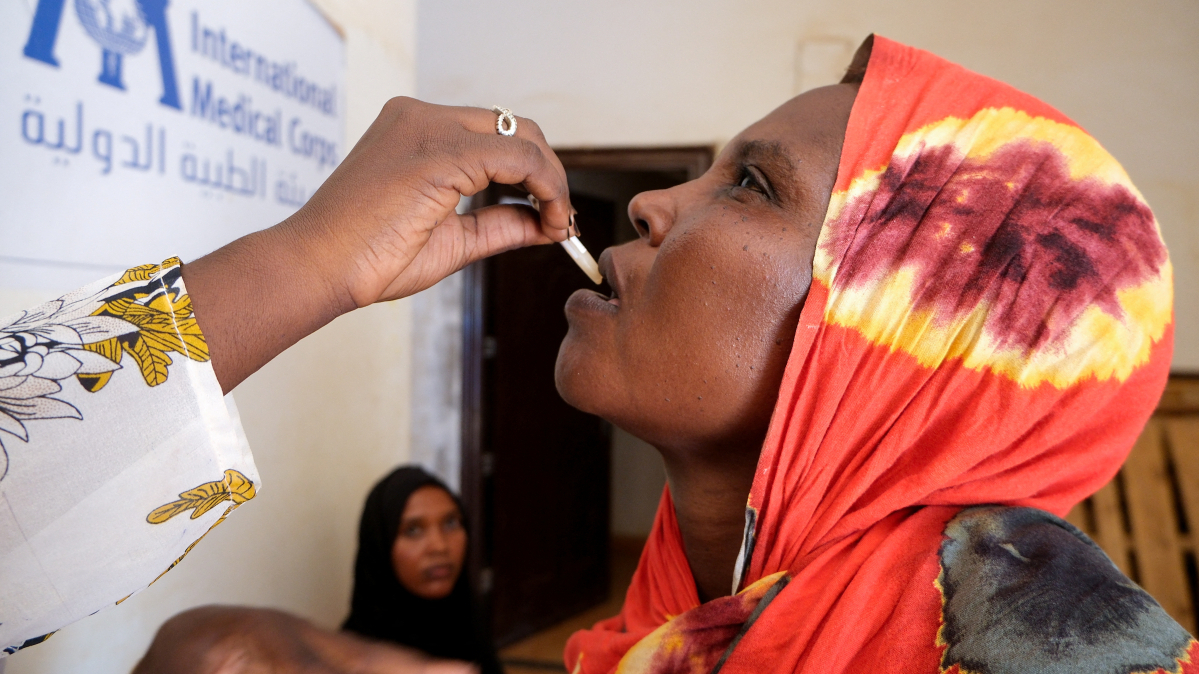
Significant progress has been made in the production of cholera vaccines.
The WHO reported that annual production of oral cholera vaccines more than doubled between 2022 and 2025, rising from around 30 million doses to approximately 80 million.
For years, shortages limited vaccination campaigns, forcing health authorities to prioritise emergency outbreak responses over preventive programmes.
Those constraints have started to ease. Preventive vaccination campaigns resumed in 2026, with health agencies expanding efforts to use vaccines both during outbreaks and in highly vulnerable communities.
Three WHO-approved oral cholera vaccines are currently available, with one-dose and two-dose regimens used depending on supply and local conditions.
However, global demand continues to exceed supply, particularly when outbreaks occur simultaneously in several countries.
Safe water remains the long-term solution
Despite the importance of vaccines and treatment, the WHO says safe water and sanitation remain central to preventing cholera over the long term.
The organisation says universal access to safe drinking water, adequate sanitation and good hygiene remains the most effective way to prevent outbreaks.
Water, sanitation and hygiene measures, commonly known as WASH interventions, can reduce cholera transmission while helping to prevent other waterborne diseases.
During outbreaks, health authorities typically focus on improving water quality, distributing hygiene supplies, conducting public awareness campaigns and strengthening sanitation services.
Conflict, displacement and climate-related disasters continue to undermine these efforts in many of the countries hardest hit by cholera, the WHO and its partners have warned.
Meningitis and plague also remain concerns
The WHO report also highlighted ongoing challenges posed by other infectious diseases.
Across 24 African countries participating in a meningitis surveillance network, health authorities recorded 21,526 suspected meningitis cases and 971 deaths in 2025.
Vaccination campaigns against meningococcal meningitis have dramatically reduced infections caused by the historically dominant serogroup A strain. The WHO said cases among vaccinated populations have fallen by more than 99 per cent, with no confirmed infections reported since 2017 in countries that introduced the vaccine.
Plague also remains a concern in some regions. Between 2019 and 2025, ten countries reported 3,860 suspected plague cases and 423 deaths, with the Democratic Republic of Congo and Madagascar accounting for nearly all reported infections.
Surveillance and rapid-response measures remain essential to prevent localised outbreaks from developing into wider health emergencies.
The race to meet 2030 targets
The WHO's findings come as international health organisations work towards the targets set out in the Ending Cholera: A Global Roadmap to 2030 strategy.
The programme aims to reduce cholera deaths by 90 per cent and eliminate the disease as a public health threat in up to 20 countries by the end of the decade.
The sharp rise in deaths in 2025 underscores the scale of the challenge.
Despite improved vaccines, effective treatments and decades of public health knowledge, cholera continues to spread in communities affected by poverty, conflict and weak infrastructure.
The latest figures underline a persistent challenge: the medical tools to prevent and treat cholera exist, but without greater access to clean water, sanitation and healthcare, the disease will continue to claim thousands of lives.
Read more:
















What is your opinion on this topic?
Leave the first comment