At least seven students killed in explosion near school in Afghanistan
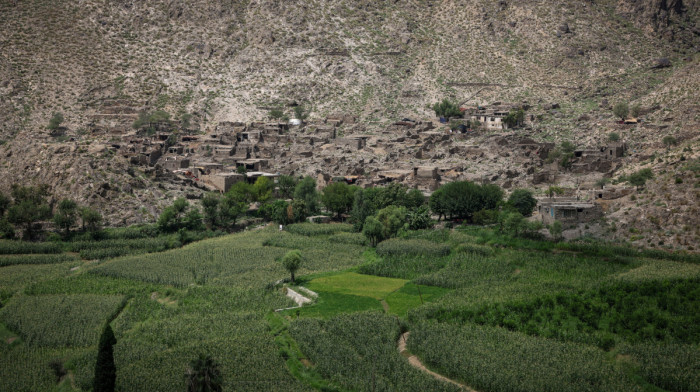
At least seven students have been killed and multiple others injured in an explosion near a middle school in Asadabad, the capital of Kun...
The Central African Republic declared a cholera outbreak after 197 cases, including 24 deaths, were confirmed in two health districts southwest of the country’s capital Bangui, local media reported Saturday.
Health Minister Pierre Somse announced the outbreak Friday after cases were confirmed in the health districts of Bimbo and Mbaiki, according to Radio Ndeke Luka.
Somse said preventive measures had been put in place in the affected localities, villages and surrounding towns to prevent the spread of the disease.
The Health Ministry is conducting investigations to determine the origin of the outbreak, which Somse described as the country's fifth cholera epidemic.
He urged the public to observe good hygiene and called for collective responsibility in raising awareness to reduce the risk of transmission.
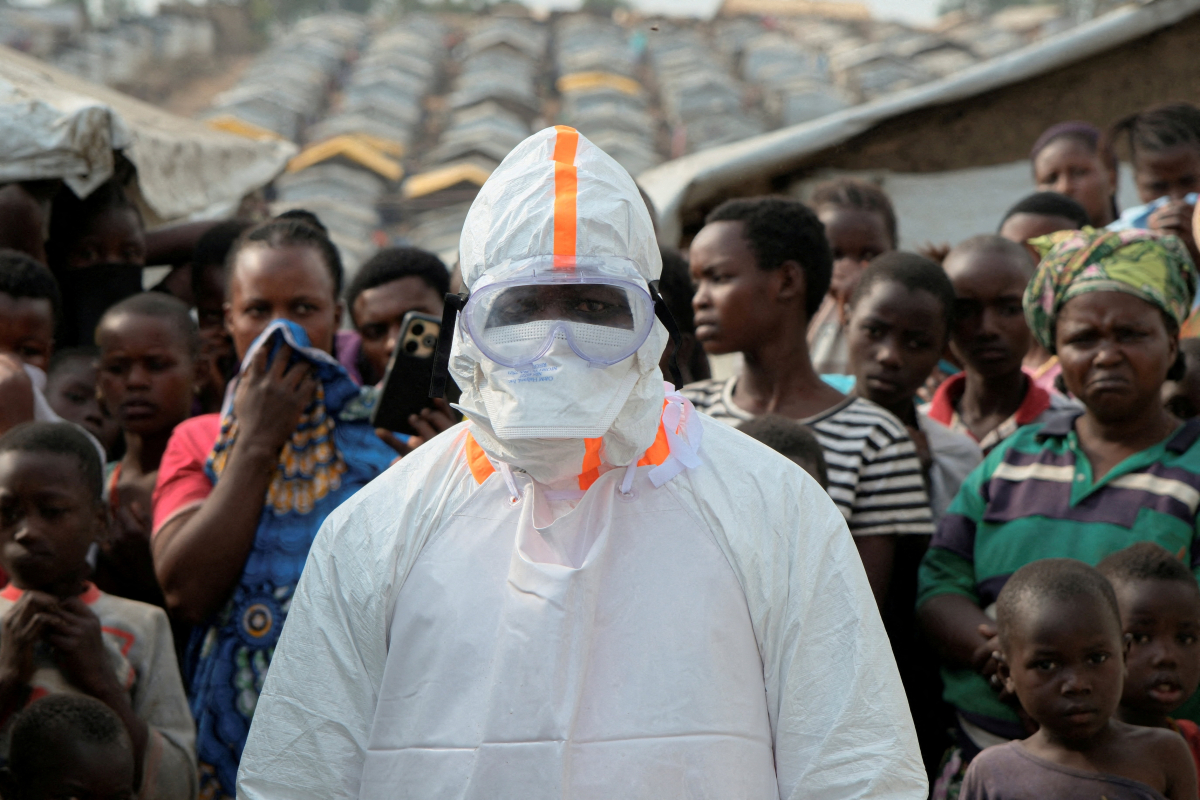
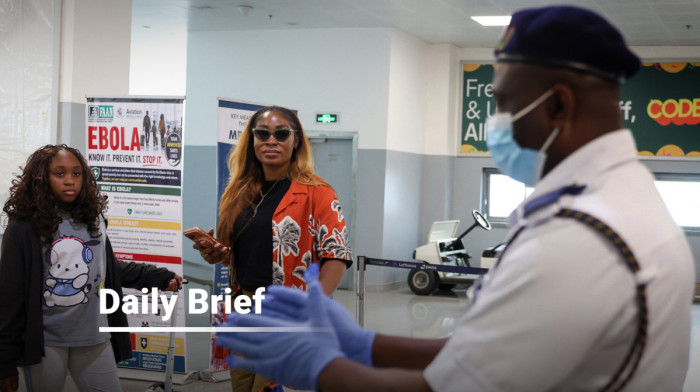
According to the report, the outbreak came as the Central African Republic also faces the threat of Ebola outbreaks in the Democratic Republic of the Congo and Uganda.
Cholera affected 23 African countries last year, according to UNICEF. The disease is caused by consuming contaminated food or water.
Pierre Somse said the government was fully mobilised to contain the outbreak and urged the public to follow preventive measures and health guidance.
The World Health Organization reported that cholera cases in Southern Africa increased more than sevenfold in the first six weeks of 2026 compared with the same period a year earlier, driven by severe flooding linked to cyclones.

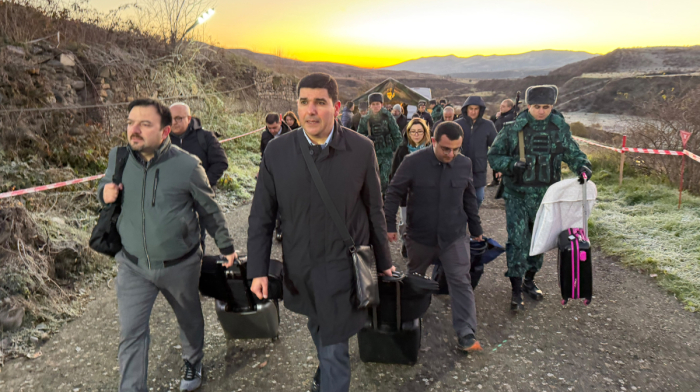
Civil society representatives from Armenia and Azerbaijan are meeting in Armenia on 26 and 27 November, in the latest round of talks aimed at building support for peace.
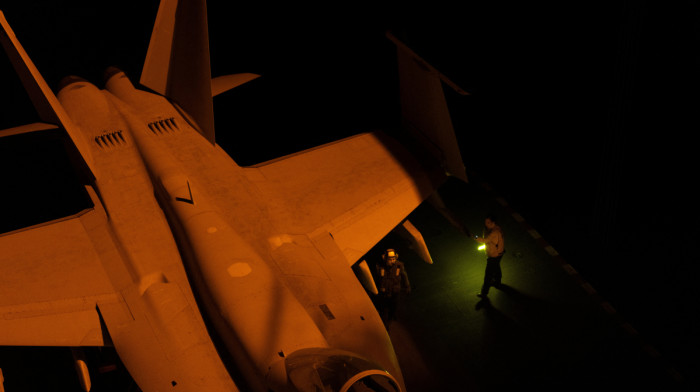
Iran's Islamic Revolutionary Guard Corps (IRGC) claimed on Friday that its air defence systems fired warning shots at a U.S. F-16 fighter jet near Hengam Island, forcing the aircraft to turn away amid continuing tensions over maritime navigation in the Strait of Hormuz.
Spain votes on 29 November in a snap election that could give the far right a place in national government for the first time since General Francisco Franco's dictatorship ended in 1975.
Iran has warned that the presence of foreign forces in the Gulf could escalate regional tensions as South Korea considers expanding its naval operations near the Gulf of Oman to protect commercial shipping.
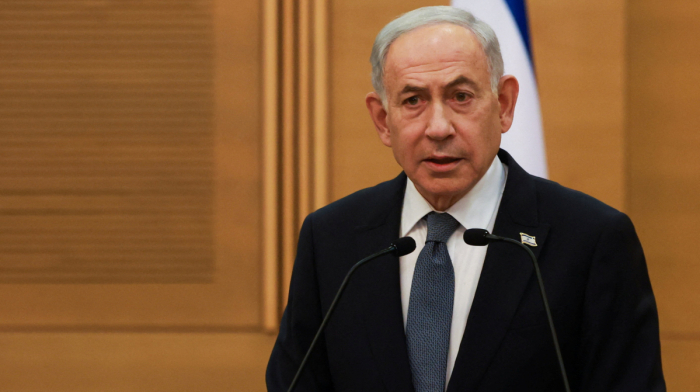
Israeli judges have recommended dropping one of the three corruption cases against Prime Minister Benjamin Netanyahu and reconsidering another, dealing a setback to prosecutors in his long-running trial.
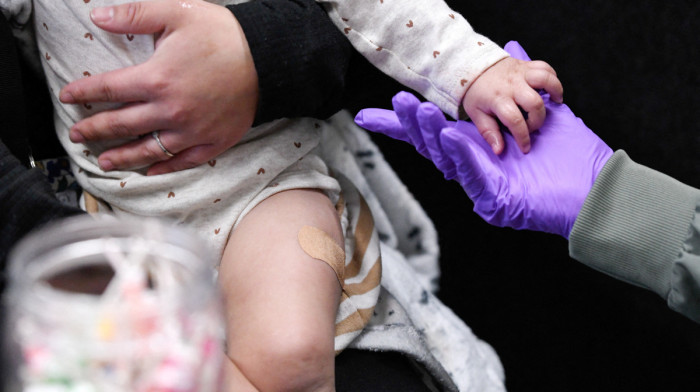
For the first time in more than a quarter of a century, the United States can no longer say it has eliminated measles as health experts warn the American outbreak reflects a collapse in trust in vaccines.
A new study in mice suggests the brain’s protective barrier does more than block harmful substances. It also delivers essential proteins from the body, a process that may break down early in Alzheimer’s disease and offer a new target for treatment.
Here's your AnewZ Daily Brief for the 5th of November, as health emergencies, humanitarian crises, political shifts, and cybersecurity threats put governments and essential services under pressure across the globe. Here are five stories worth your attention.
Kazakhstan plans to manufacture 494 types of medicines through eight major investment projects worth a combined $862 million, Health Minister Akmaral Alnazarova announced on 3 November, local media reported.
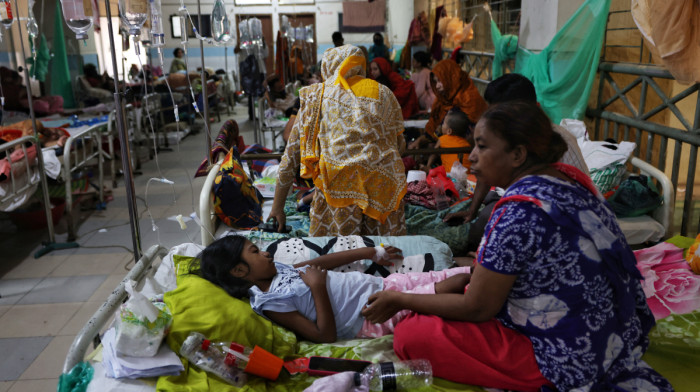
Dengue fever has killed more people in Bangladesh this year than in the whole of 2025, with October the deadliest month so far, data from Bangladesh's Health Ministry shows.
You can download the AnewZ application from Play Store and the App Store.
What is your opinion on this topic?
Leave the first comment