Afghanistan's Taliban marks five years in power on Saturday, 15 August, five years after taking Kabul as U.S.-led foreign forces withdrew following two decades of war.
How did the Taliban return to power?
The Taliban took control of Kabul on 15 August 2021 as U.S.-led foreign forces were withdrawing from Afghanistan after two decades of war. Then-President Ashraf Ghani fled the country, while the Taliban declared victory and began establishing its Islamic system of government.
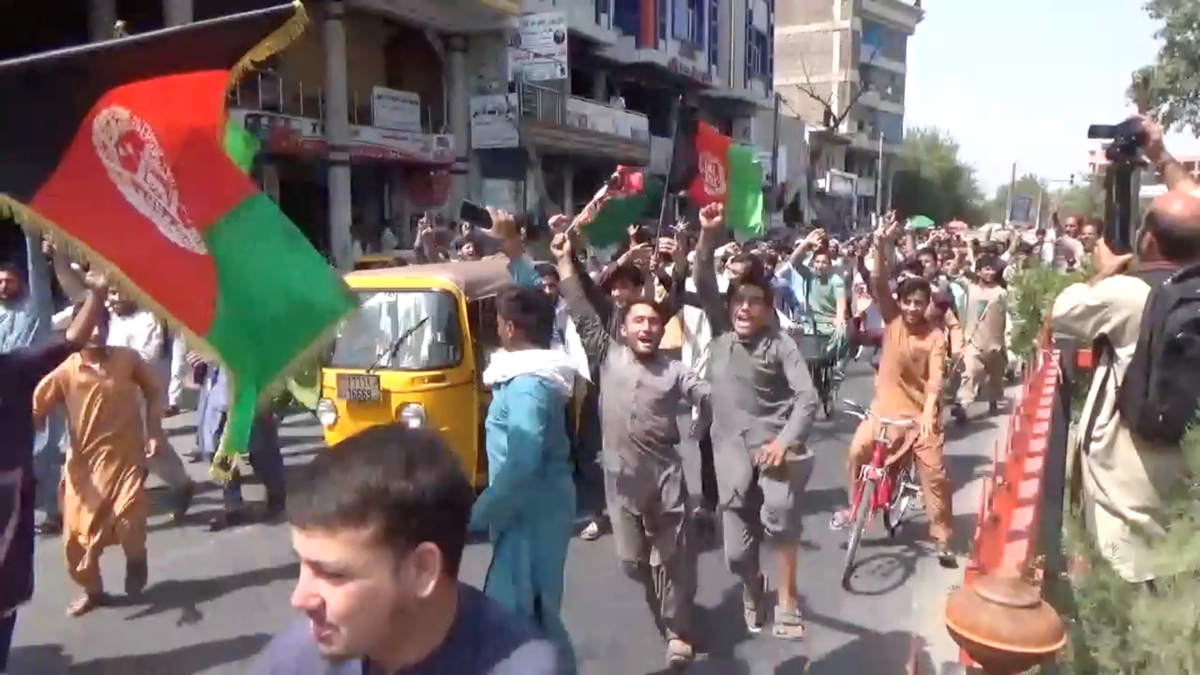
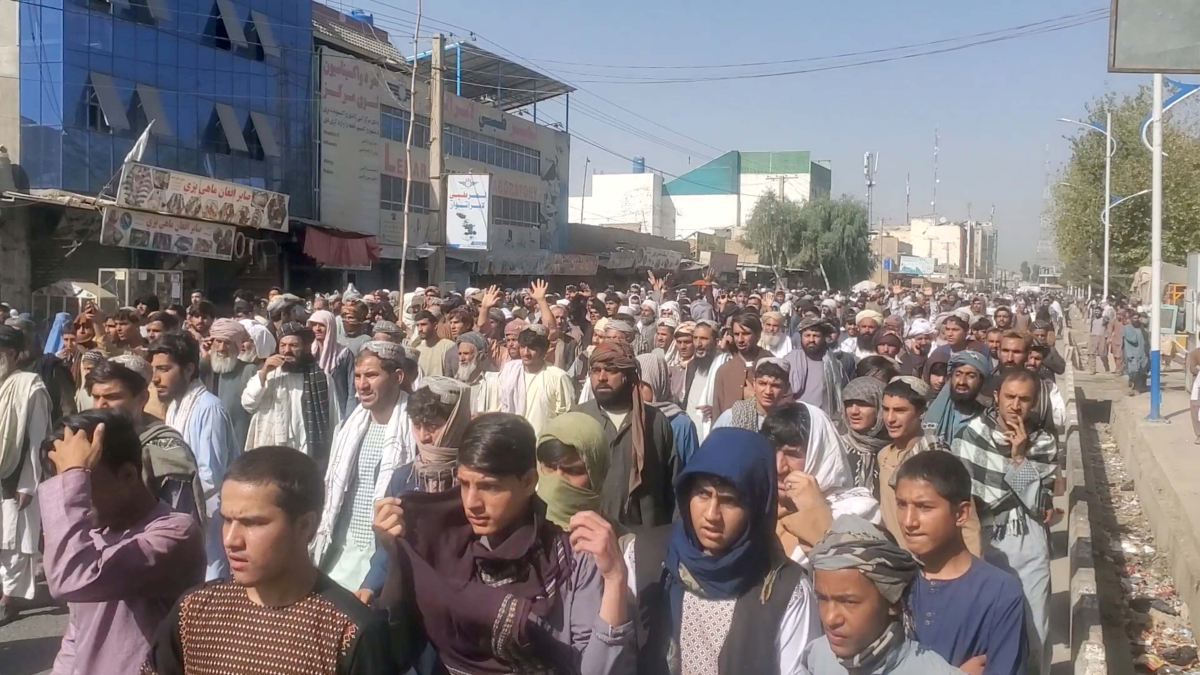
The takeover was followed by protests in several Afghan cities. On 18 August, demonstrators took to the streets in Jalalabad and elsewhere. Taliban fighters opened fire on protesters in Jalalabad, killing at least three people.
The end of the U.S. war
The final weeks of the U.S. withdrawal were marked by a large-scale evacuation from Kabul airport, as tens of thousands of Afghans sought to leave the country.
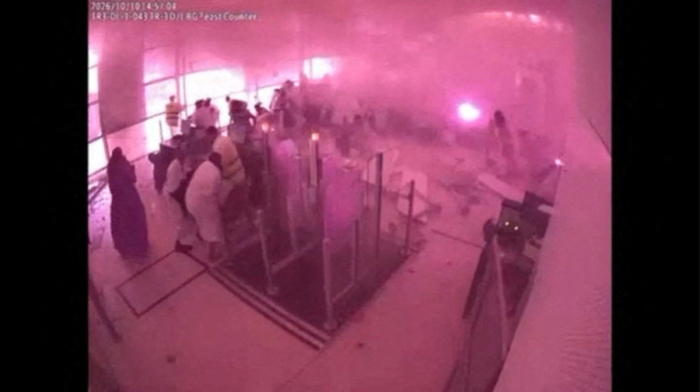
The evacuation was disrupted on 26 August 2021 when an Islamic State suicide bomber targeted a crowded entrance to the airport, killing 13 U.S. service members and dozens of Afghan civilians.
The U.S. completed its military withdrawal on 30 August 2021, ending its 20-year military presence in Afghanistan. Major General Chris Donahue, commander of the 82nd Airborne Division, was photographed boarding a C-17 transport aircraft, becoming the last U.S. service member to leave Kabul.
Taliban consolidates control
After taking Kabul, the Taliban moved to establish control over the entire country. In September 2021, Taliban forces captured Panjshir, the last major area resisting their rule.
The National Resistance Front, led by forces loyal to Ahmad Massoud, vowed to continue opposing the Taliban. The Taliban announced its new government on 7 September 2021, naming Mullah Hasan Akhund as acting prime minister.
What changed for women and girls?
Afghanistan risks losing more than 25,000 female teachers and health workers by 2030 if restrictions on girls' education and women's employment remain in place, according to a new UNICEF report.
Since returning to power in 2021, the Taliban have restricted women's access to education and employment. The authorities closed secondary schools for girls in March 2022 and banned women from attending universities in December, describing both measures as temporary.
The restrictions have kept an estimated 2.4 million Afghan girls out of secondary education since 2021, with UNESCO warning that the policy risks “decades of lost potential, deepening poverty, and irreversible harm.”
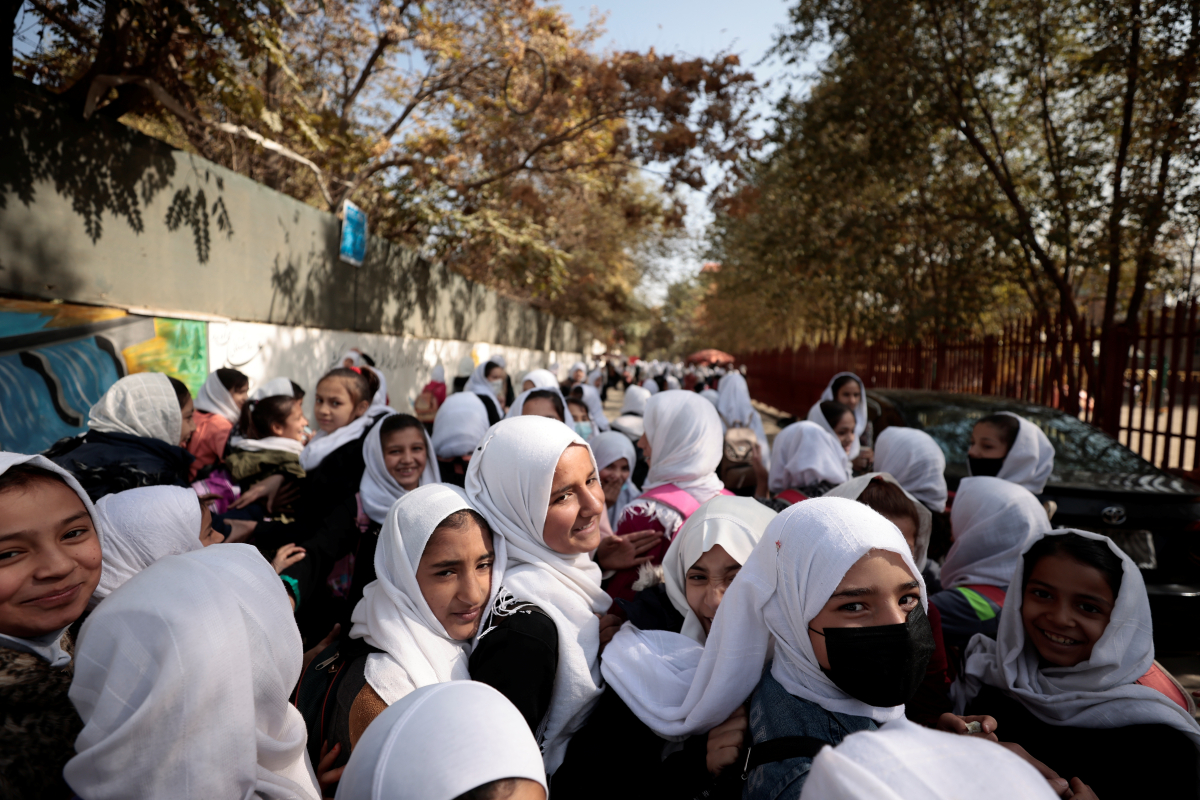 Female primary school students leave school after a class in Kabul, Afghanistan, 25 October 2021.
Afghanistan's changing international position
Despite widespread international criticism of Taliban policies, Afghanistan's rulers have gradually sought stronger diplomatic and economic ties abroad.
China appointed an ambassador to Kabul in September 2023, becoming the first country to do so since the Taliban takeover.
In July 2025, Russia became the first country to formally recognise the Taliban government, accepting the credentials of a new Afghan ambassador.
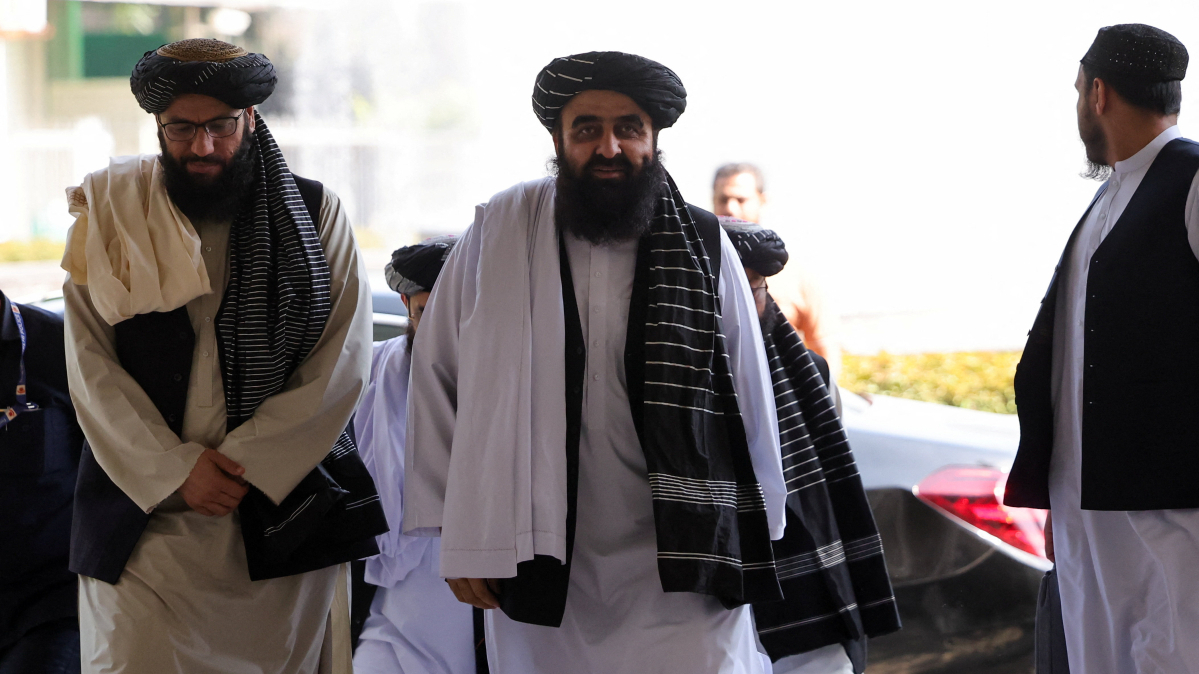
Taliban Foreign Minister Amir Khan Muttaqi welcomed the decision, saying: “We appreciate the initiative of the Russian Federation in recognising the IEA.”
The move was followed by the replacement of the Islamic Republic's flag at Afghanistan's embassy in Moscow with the Taliban's flag.
Tensions with Pakistan
Afghanistan's relationship with Pakistan has also deteriorated sharply.
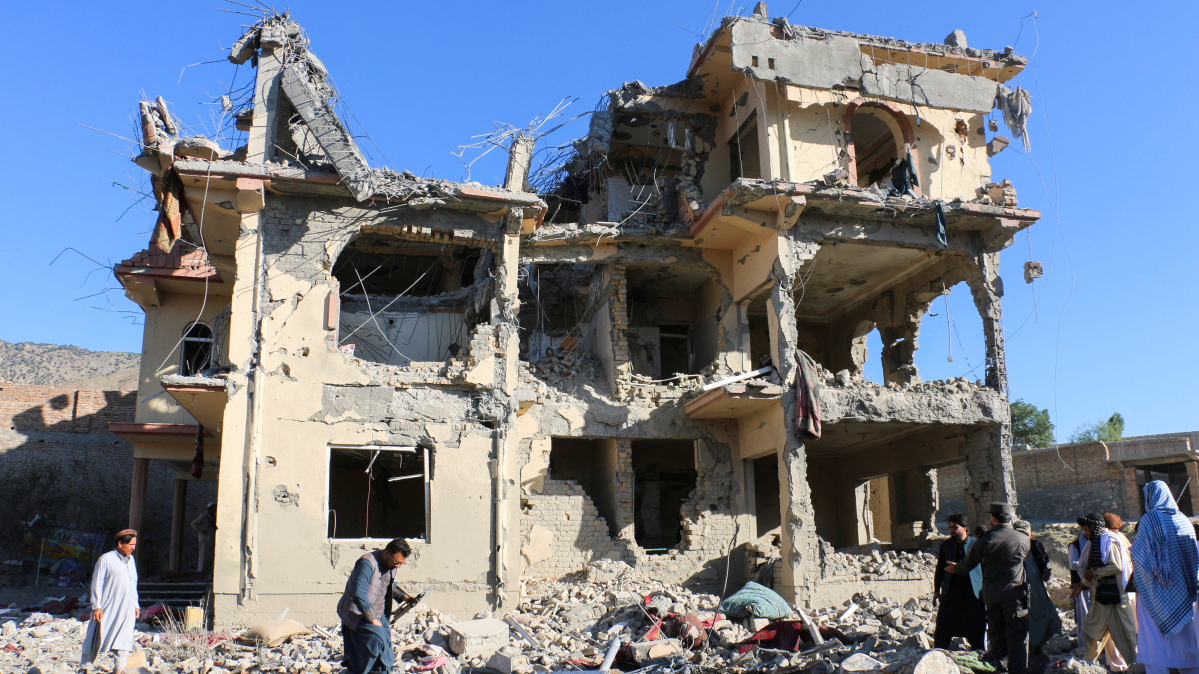
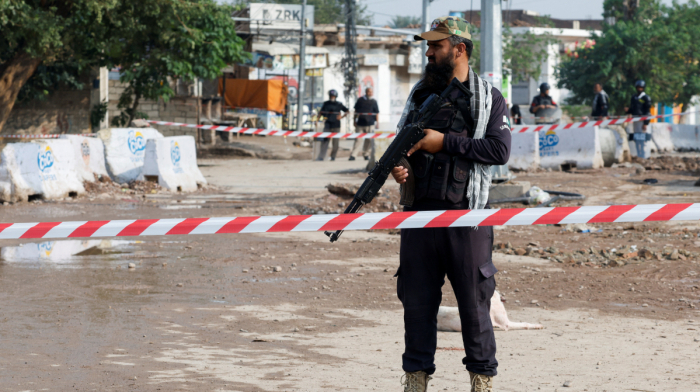
The two countries have accused each other of allowing militant groups to operate from their territory. In February 2026, Afghan and Pakistani forces clashed along the border after the Taliban launched what it described as retaliatory strikes on Pakistani installations.
The fighting has killed hundreds of people in 2026, while Chinese-mediated efforts to reduce tensions have so far failed to produce a lasting settlement.
Afghanistan five years later
Five years after the Taliban returned to Kabul, the movement remains firmly in control of Afghanistan. It has survived armed opposition, Islamic State attacks, international isolation and a severe economic and humanitarian crisis.
Major challenges remain, however. Restrictions on women and girls have deepened Afghanistan's isolation, while poverty, malnutrition, natural disasters and tensions with Pakistan continue to put pressure on the country.












What is your opinion on this topic?
Leave the first comment