Afghanistan’s power utility chief has held talks in Tajikistan with officials and contractors to speed up the CASA-1000 electricity project and tackle ongoing implementation challenges, according to official statements.
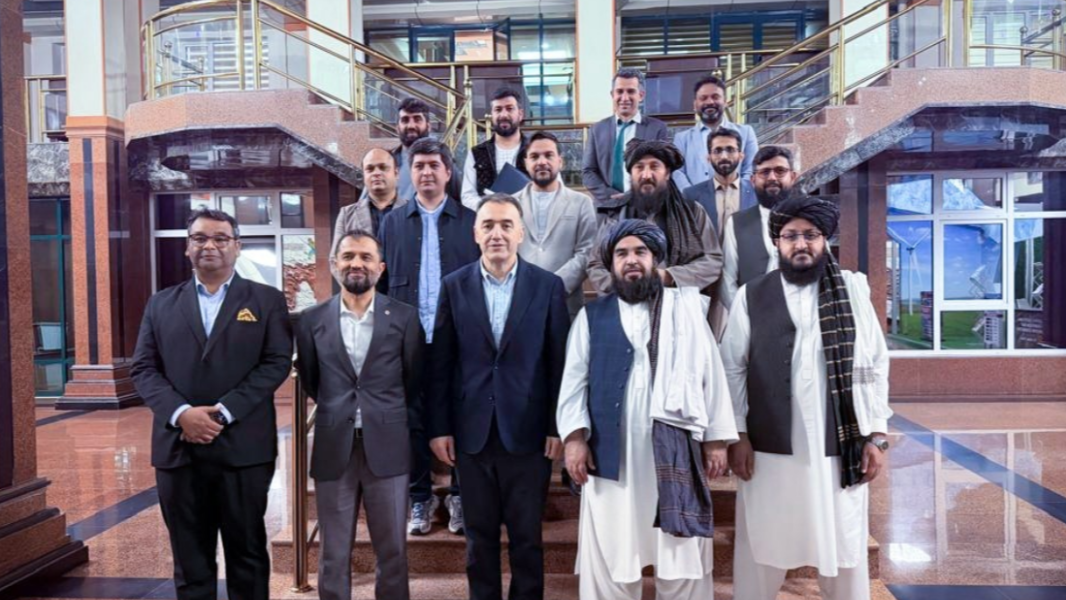
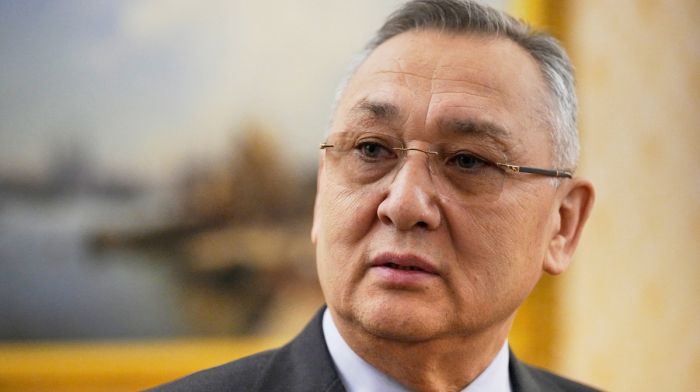
Da Afghanistan Breshna Sherkat (DABS) Chief Executive Abdul Haq Hamkar met Tajikistan’s Energy Minister Daler Juma in Dushanbe to review progress on the regional electricity scheme and explore ways to strengthen cooperation in the power sector, the utility said.
In a separate meeting, Hamkar also held talks with officials from KEC International Limited, an Indian engineering and construction firm involved in the project. Discussions covered progress, existing challenges and the overall implementation process.
Push to accelerate implementation
According to DABS, the talks focused on “accelerating the project’s implementation,” resolving contractor-related challenges and “strengthening technical coordination.”
The statement also emphasised the importance of sustained collaboration, noting the need for “joint efforts, regular coordination, and practical measures to ensure the timely execution of the project.”
Hamkar praised progress to date, saying effective performance and coordination in the energy sector can serve as “a key foundation for the country’s economic growth and stability.”
Tajikistan’s energy minister underlined the broader importance of the initiative. According to DABS, Juma said CASA-1000 is “not only a major step toward regional connectivity but also provides a fundamental opportunity for energy exchange and the expansion of economic cooperation.”
CASA-1000 is a $1.2 billion regional electricity project aimed at transmitting 1,300 megawatts of surplus summer power from Kyrgyzstan and Tajikistan to Afghanistan and Pakistan. The World Bank said in January 2026 that the project is intended to support sustainable electricity trade across the four countries.














What is your opinion on this topic?
Leave the first comment