Kazakhstan plans to boost trade with Afghanistan from $500 million to $3 billion, backed by infrastructure and transit projects designed to strengthen regional connectivity and improve access to global markets.
Kazakhstan is deepening its economic engagement with Afghanistan, focusing on trade, logistics and infrastructure as part of a broader effort to reinforce its role in regional connectivity.
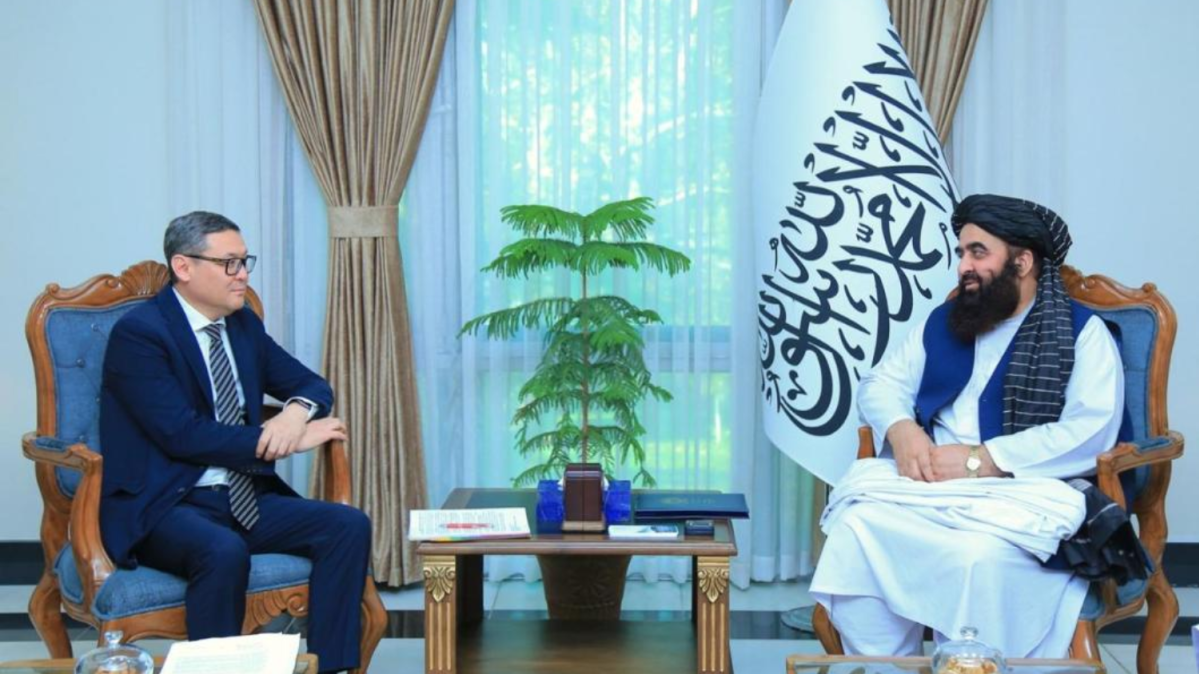
According to Presidential Special Representative for Afghanistan Yerkin Tukumov, bilateral trade has already reached a stable baseline, but authorities are now seeking to expand it significantly through the development of transport corridors and export routes.
Annual trade between the two countries currently stands at around $500 million, with a target to raise this figure to $3 billion in the coming years.
Strategic role in regional trade
This ambition reflects Kazakhstan’s growing interest in Afghanistan not only as a trading partner but also as a key component of emerging transit networks linking Central Asia with South Asia and the Middle East.
Trade flows remain heavily skewed in Kazakhstan’s favour. Exports are dominated by grain, flour and processed agricultural products, while Afghan shipments are limited to smaller volumes of goods such as agricultural produce and carpets
This imbalance highlights structural constraints in Afghanistan’s economy, but also points to scope for diversification, particularly in Kazakhstan’s import profile.
Infrastructure at the core
A major constraint on expanding trade is limited transport connectivity, placing infrastructure at the centre of bilateral co-operation. Among the key projects is the Turgundi–Herat railway, alongside the development of related infrastructure, including digital networks.
These initiatives are expected to reduce delivery times and costs, creating the conditions for higher trade volumes.
Transit potential and global access
Beyond bilateral exchange, the strategic value of these efforts lies in their transit potential. Improved routes through Afghanistan could provide Kazakhstan with more direct access to seaports, which is critical for a landlocked economy seeking to broaden its export reach.
This would allow Kazakh goods to access global markets more efficiently while integrating the country into wider regional supply chains.
In the longer term, these projects support Kazakhstan’s ambition to position itself as a transit hub across Eurasia. By developing alternative corridors and reducing reliance on existing routes, Astana is aiming to strengthen its economic resilience amid shifting trade dynamics.














What is your opinion on this topic?
Leave the first comment