Kazakhstan has ratified an allied relations treaty with Tajikistan and a strategic partnership agreement with the United Kingdom, aiming to deepen regional cooperation and expand ties with a major foreign investor.
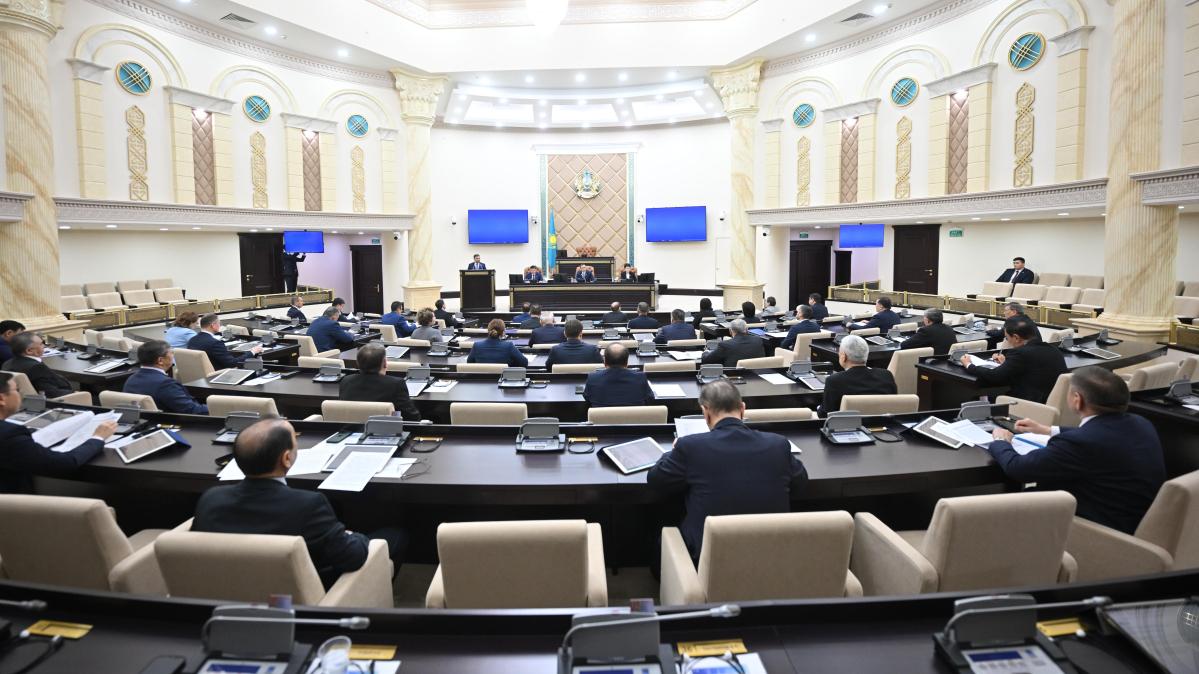
Kazakhstan’s Senate approved the treaty with Tajikistan on 16 April 2026. The agreement is designed to expand cooperation across political, defence, economic and humanitarian areas, while strengthening bilateral engagement within Central Asia.
The treaty covers trade, agriculture, transport, energy, digital development and education. It also provides for closer coordination on regional security, including joint responses to shared threats and the development of military and technical cooperation through training and capacity-building initiatives.
Focus on trade, investment and water resources
Economic relations are a central element of the agreement. Trade between Kazakhstan and Tajikistan exceeds $1 billion, with both sides aiming to increase this to $2 billion. The document also seeks to improve conditions for business activity and investment.
Water resource management is addressed as a distinct area of cooperation. Both countries emphasise the importance of the rational and mutually beneficial use of shared transboundary water resources—an issue that remains sensitive across Central Asia. The agreement also references consultative meetings of Central Asian leaders as a mechanism for regional dialogue.
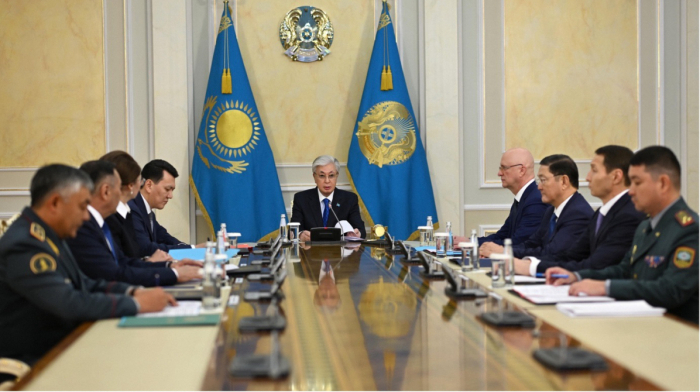
Officials say the treaty is intended to support political dialogue, security cooperation and long-term development. It was signed in August 2024 in Dushanbe during a state visit by President Kassym-Jomart Tokayev. Kazakhstan has previously concluded similar agreements with Uzbekistan and Kyrgyzstan.
Strategic partnership with the United Kingdom
In a separate decision, the Senate also approved a strategic partnership and cooperation agreement with the United Kingdom. The deal aims to establish a clearer framework for collaboration across political, economic, legal and humanitarian fields.
The United Kingdom is one of Kazakhstan’s largest investors, with more than $23 billion in direct investment. Officials say the agreement is expected to support a more predictable investment environment and expand cooperation with British companies and universities.
Trade between the two countries stood at $1.2 billion in 2023, fell to $886 million in 2024, and then rose to $1.6 billion. The agreement, signed in Astana in April 2024, is intended to provide a structured basis for long-term cooperation.
Lawmakers say the new framework was required following the United Kingdom’s departure from the European Union, as previous arrangements based on EU cooperation no longer applied.











What is your opinion on this topic?
Leave the first comment