Protest outside Azerbaijani Embassy in London features Iranian flags and hijab placards
Demonstrators carrying Iranian flags and placards supporting the hijab gathered outside the Azerbaijani Embassy...
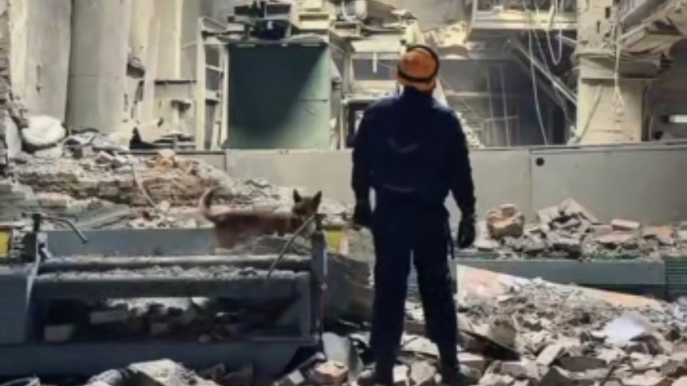
An explosion at a major metallurgical facility in Kazakhstan has killed two people and injured five others, officials and the company involved have confirmed.
The incident occurred on Tuesday morning (5 May) at a plant operated by Kazzinc in Oskemen, the country’s largest zinc production site. The company, owned by commodities giant Glencore, confirmed the fatalities and said those injured are receiving medical care.
“Two people were killed and five others were injured. All necessary medical assistance is being provided to the injured,” Kazzinc said in a statement.
According to preliminary findings, the blast occurred during routine maintenance work.
“A bang occurred while work was being carried out to clean the smoke extractor, followed by a fire and the partial collapse of the structure,” the company added.
Emergency services were quickly dispatched to the scene. Authorities said the fire sparked by the explosion has since been extinguished. Rescue and clean-up operations are ongoing, with crews continuing to secure the site.
A special commission has been established to determine the exact cause of the incident and assess whether safety procedures were followed.
An environmental review is also under way. Early indications suggest there was only a limited release of dust, with no hazardous pollution exceeding safety thresholds.
Kazzinc, one of Kazakhstan’s leading producers of zinc, as well as lead, copper, gold and silver, is partly owned by the state fund Samruk-Kazyna, which holds a 30 per cent stake.
The country’s Prime Minister, Olzhas Bektenov, has taken personal control of the response, signalling the seriousness of the incident.
In its statement, Kazzinc expressed condolences to the families of those who died and pledged both financial and psychological support to those affected.
Industrial accidents remain a concern across parts of Central Asia’s heavy industry sector, where ageing infrastructure and challenging working conditions can pose risks despite ongoing modernisation efforts.
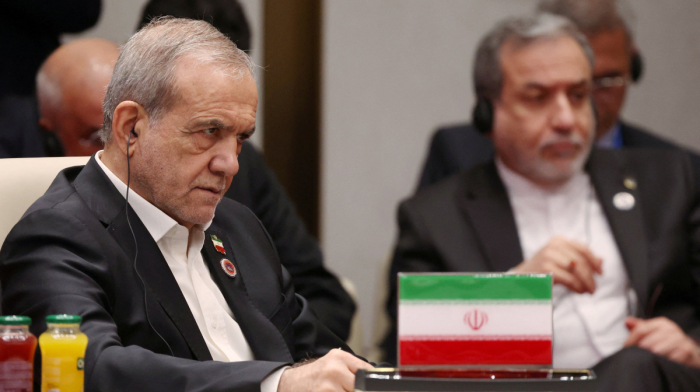
The Middle East conflict remains tense as diplomatic efforts continue alongside renewed Houthi attacks. Iran says it remains open to mediation, while the Saudi-led coalition says it intercepted a ballistic missile fired towards the kingdom.
Rescuers searched the wreckage of two high-speed trains in central Spain on Thursday as the death toll rose to a provisional 74, making it the country's second fatal high-speed rail disaster this year.
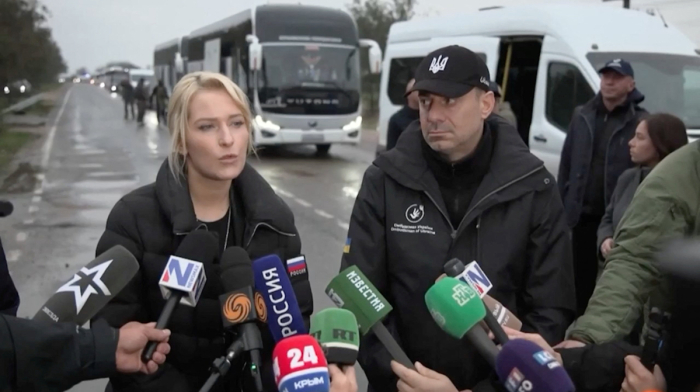
Evacuations and the provision of humanitarian aid in the Russian-occupied southern Ukrainian town of Oleshky have begun, a senior Ukrainian official said on Friday. In a statement on Telegram, David Arakhamia said a six-day ceasefire was holding, and that more details would follow.
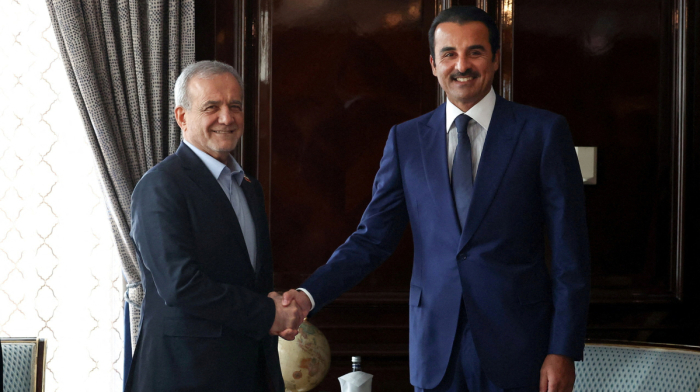
Qatari mediators returned to Tehran on Friday as part of efforts to reach a deal between the U.S. and Iran, according to an official briefed on the talks.
UN human rights experts comprising a group including Special Rapporteurs and independent experts who are part of the UN Human Rights Council, have criticised French authorities over their handling of nationwide student protests.
Demonstrators carrying Iranian flags and placards supporting the hijab gathered outside the Azerbaijani Embassy in London.
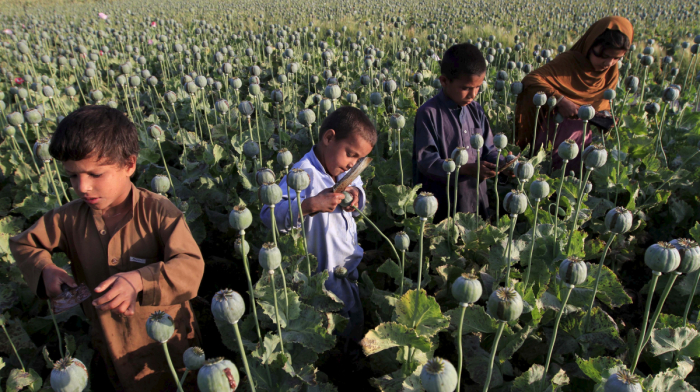
Opium poppy cultivation in Afghanistan surged by 330 per cent in 2026 despite a four-year ban, the United Nations said on Thursday. Afghan authorities disputed the findings, while Japan urged continued support for farmers seeking alternative livelihoods.
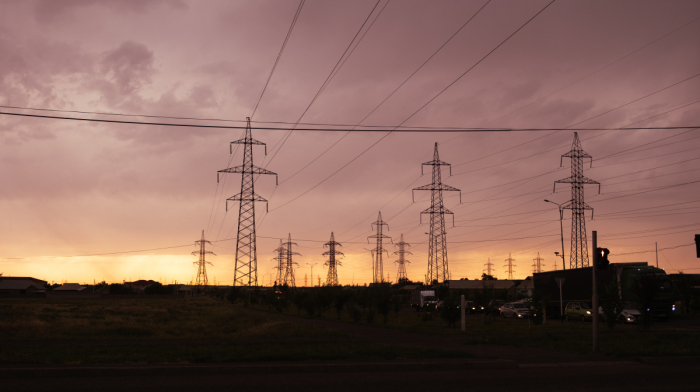
Central Asia could gain up to $640 million a year from closer energy cooperation, but strained electricity grids threaten to limit those gains, with Kazakhstan particularly exposed to regional power shortages and growing pressure on its network.
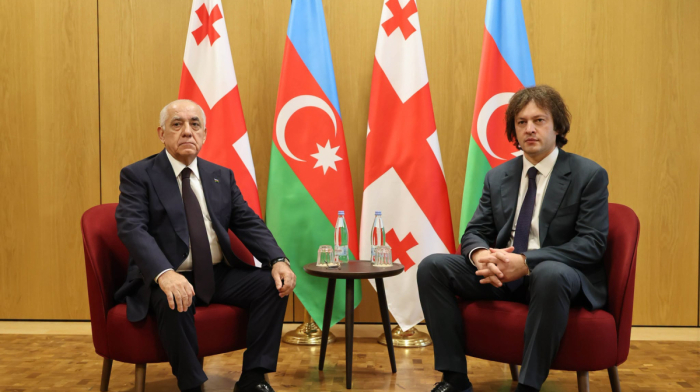
Georgia and Azerbaijan are stepping up efforts to boost trade, strengthen transport links between Asia and Europe and resolve a longstanding border dispute, as both countries seek to deepen their strategic partnership.
People travelling between Uzbekistan, Kazakhstan, Kyrgyzstan, Tajikistan and Azerbaijan could soon be able to pay for purchases using their usual banking apps. Central banks from the five countries are working on linking their national payment systems.
You can download the AnewZ application from Play Store and the App Store.
What is your opinion on this topic?
Leave the first comment