




11:16 CET
Nuclear security
Georgia arrests man over attempted $700,000 uranium sale
Georgia has detained a man ...


Almaty is hosting GITEX AI Kazakhstan 2026 two-day event, drawing global tech firms and investors as Central Asia gains attention as a fast developing digital market. President Kassym-Jomart Tokayev visited the GITEX AI Central Asia & Caucasus exhibition in Almaty on 4 May.
Held on 4 and 5 May under the umbrella of GITEX AI Central Asia & Caucasus 2026, the event marks the first time the platform has expanded into Central Asia. Originally launched more than 40 years ago in Dubai, GITEX has developed into one of the world’s most established technology event networks, typically associated with major global markets.
Its arrival in Almaty signals a shift in focus. Central Asia, long seen as a peripheral market, is increasingly being viewed as a region with growth potential, and the choice of the city reflects that change. Almaty has emerged as a regional hub for business and technology, and is now being used as a base by companies looking to enter neighbouring markets.
The scale of the forum underlines that growing interest. More than 10,000 delegates have gathered at the Atakent exhibition centre, with more than 300 companies and start ups taking part. The event has also attracted more than 150 speakers and more than 100 investors from 28 countries. Investment funds represented at the forum manage assets exceeding $200 billion, giving the discussions a clear commercial focus.
That investor presence is closely linked to recent developments within Kazakhstan itself. Over the past seven years, the country’s technology ecosystem has grown eighteen fold, reaching an estimated value of $26 billion. At the same time, mobile internet penetration across Central Asia has reached around 93%, creating the conditions for the expansion of digital services and artificial intelligence.
These factors are helping position Almaty as an entry point for international companies seeking access to the wider region. Kazakhstan has also set a target of becoming a fully digital state within the next three years, aligning government policy with the type of investment and partnerships discussed at the forum.
The programme reflects those priorities, covering artificial intelligence (AI), fintech, cyber security, Industry 4.0 and energy systems. More than 150 speakers from more than 60 countries are taking part in discussions that focus on investment, technology and skills, as the region seeks to define its role in the global digital economy.

Georgia has detained a man ...
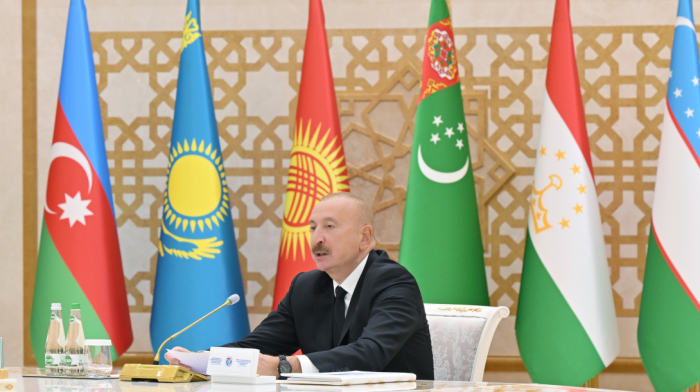
Azerbaijan and the five Central Asian states have signed two key documents at the 8th Consultative Meeting of Heads of State in Turkmenbashi, forma...
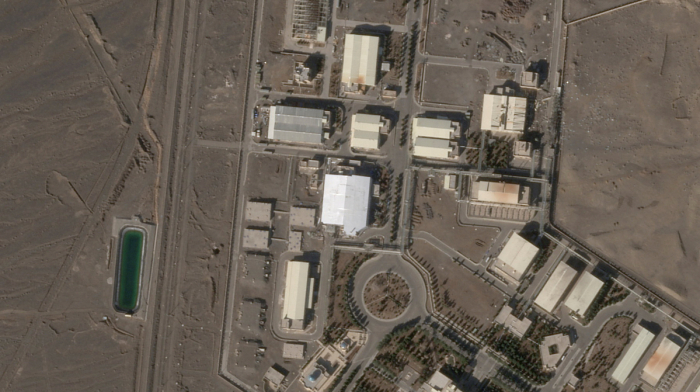
U.S. Vice President JD Vance told Reuters on Monday (5 October) that ...


Russia's health watchdog said on Tuesday that no cases of plague had been detected among anyone who had come into contact with a Siberian plague institute laboratory worker who died last week, and locals said their lives had barely been disrupted.

Russia struck Ukraine overnight in one of the biggest attacks of the conflict, killing at least 19 people, Kyiv's Foreign Ministry said on Wednesday. Around 70 missiles were fired at Ukraine during the attack, as well as drones, the Ministry said.
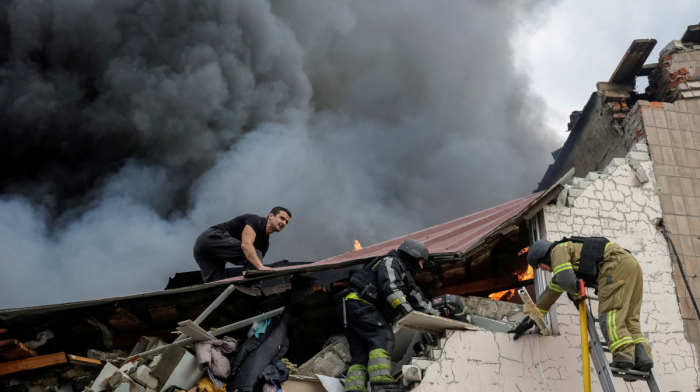
A large Ukrainian drone attack on Moscow and the surrounding region has killed two people, damaged homes and sparked a major fire at a key fuel facility, according to Russian officials and military bloggers.
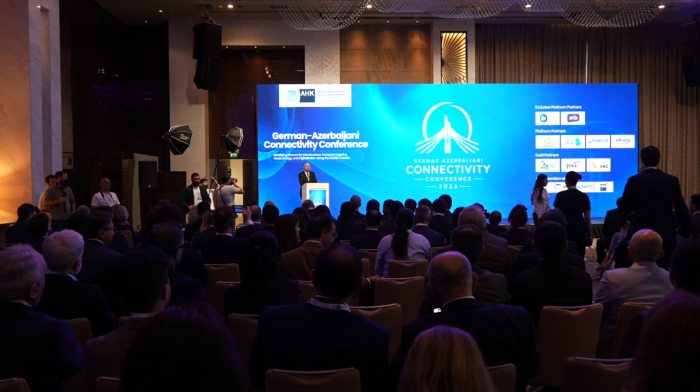
The German-Azerbaijani Connectivity Conference 2026 commenced on 6 October in Baku under the title “Mobilising Finance for Infrastructure, Transport, Logistics, Green Energy, and Digitalisation along the Middle Corridor.”
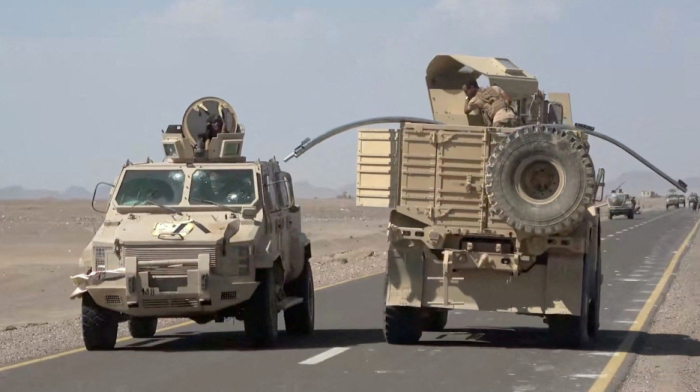
The Saudi-led coalition says it has carried out a series of military operations against Houthi targets in Yemen after attacks on two Saudi airports left three people dead and dozens injured.

Picture three scenarios: a hospital that can spot a disease before the patient feels sick, a power grid that feeds thousands of data centres and a government network that is attacked daily. All three depend on artificial intelligence, and one question matters most: who is really in charge?
OpenAI and Anthropic told Australian parliament on Tuesday they would welcome laws requiring them to report data breaches carried out by their AI agents, acknowledging the decision to notify authorities was currently at their discretion.
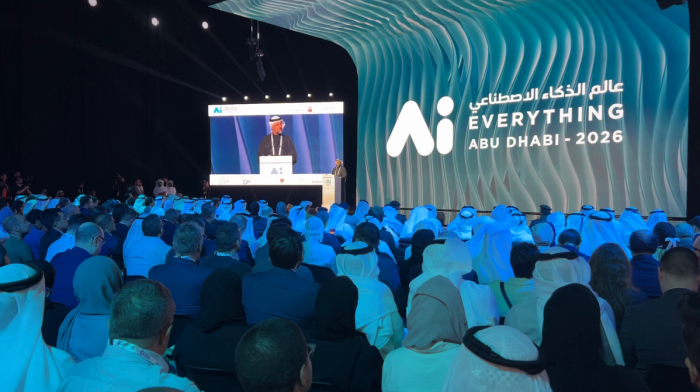
Most people meet artificial intelligence (AI) through a phone. It suggests the next word, sorts the photos, flags the odd charge on a bank card. But the technology has been quietly moving into places where mistakes cost more: the systems that run banks, hospitals, businesses and government offices.
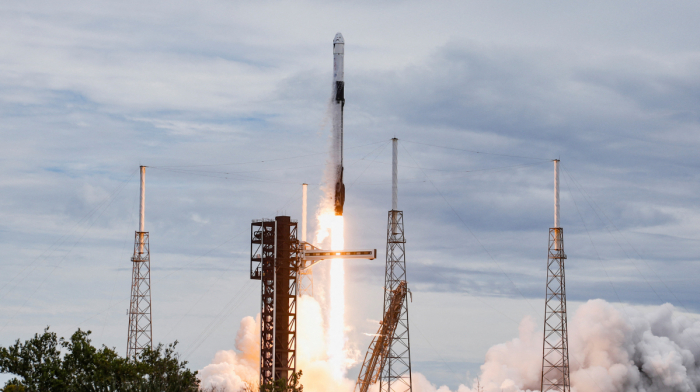
A four-person crew aboard SpaceX's Crew-13 mission, consisting of two U.S. astronauts, a Canadian astronaut and a Russian cosmonaut, arrived at the International Space Station (ISS) on Thursday (1 October), for a long-duration science mission focused on human health and performance in orbit.
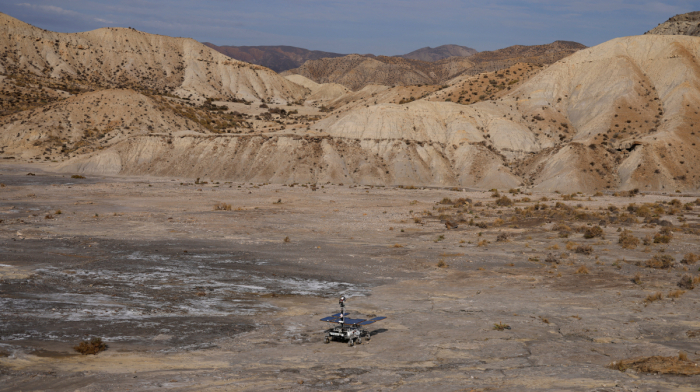
The European Space Agency (ESA), Airbus and European partners have put a six-wheeled Mars rover prototype through its paces in Spain’s Tabernas desert, simulating conditions expected on a future mission to the Red Planet.
You can download the AnewZ application from Play Store and the App Store.




What is your opinion on this topic?
Leave the first comment