At least seven students killed in explosion near school in Afghanistan
At least seven students have been killed and multiple others injured in an explosion near a middle school in Asadabad, the capital of Kun...
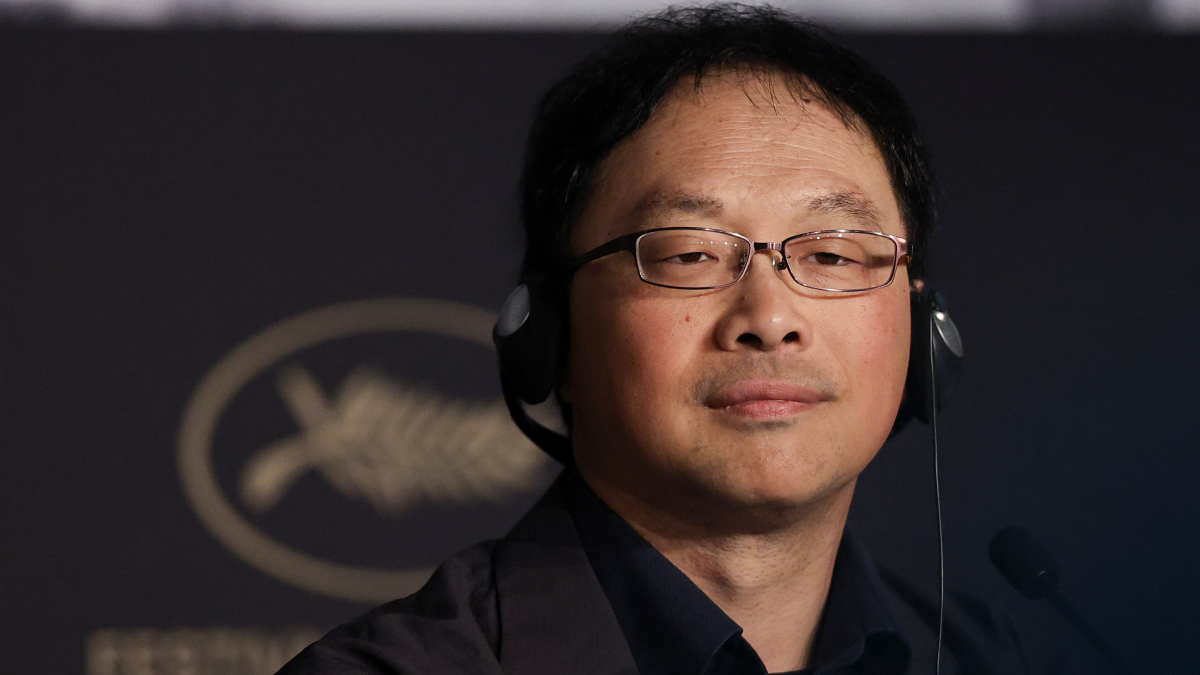
Japanese filmmaker Koji Fukada has said that the use of artificial intelligence (AI) to “jump straight to the result” risks undermining the purpose of art, which he believes should be rooted in self-expression and a deeper understanding of the world.
Speaking at the Cannes Film Festival on Thursday, Fukada said his new drama Nagi Notes, which is set in rural Japan and is premiering at the event, explores ideas around the human act of creation, including the process of making sculpture.
He argued that when AI is used to generate artwork or video, it bypasses the creative journey. In his view, this means creators lose sight of the process through which people are meant to explore and understand their surroundings.
Nagi Notes follows Yuri, a Tokyo-based architect played by Shizuka Ishibashi, who travels to the western Japanese village of Nagi to visit her friend and former sister-in-law Yoriko, portrayed by Takako Matsu. Yoriko agrees to pose for a sculpture, forming the emotional centre of the story.
The film also introduces two local boys, Keita (Kiyora Fujiwara) and Haruki (Waku Kawaguchi), whose developing bond is supported by the women, who provide them with a sense of safety as they explore their feelings.
Fukada also addressed questions about the portrayal of the boys’ relationship, suggesting there remains an imbalance in how audiences perceive same-sex relationships compared with heterosexual ones on screen.
He said he hopes that in the coming decades, representation of characters across all sexual orientations will become so normalised that such distinctions will no longer be a subject of debate.
Fukada’s previous film 'Love on Trial' was shown in the Cannes Premiere sidebar in 2025. His earlier work 'The Real Thing' was included in the festival’s official selection in 2020, while 'Harmonium' premiered in the Un Certain Regard section in 2016, where it won the Jury Prize.
Nagi Notes is among 22 films competing for the Palme d’Or, which is set to be awarded on 23 May.

Iran's Islamic Revolutionary Guard Corps (IRGC) claimed on Friday that its air defence systems fired warning shots at a U.S. F-16 fighter jet near Hengam Island, forcing the aircraft to turn away amid continuing tensions over maritime navigation in the Strait of Hormuz.
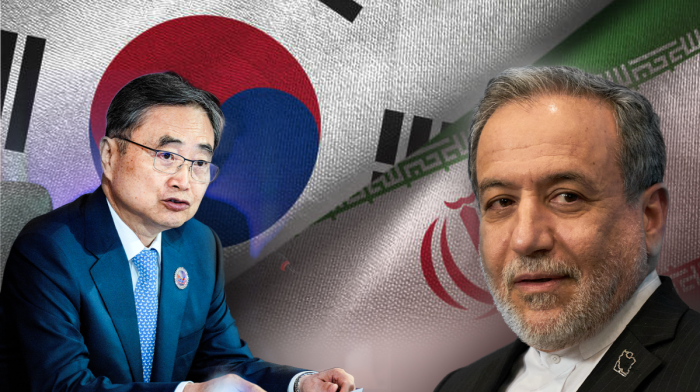
Iran has warned that the presence of foreign forces in the Gulf could escalate regional tensions as South Korea considers expanding its naval operations near the Gulf of Oman to protect commercial shipping.
Spain votes on 29 November in a snap election that could give the far right a place in national government for the first time since General Francisco Franco's dictatorship ended in 1975.
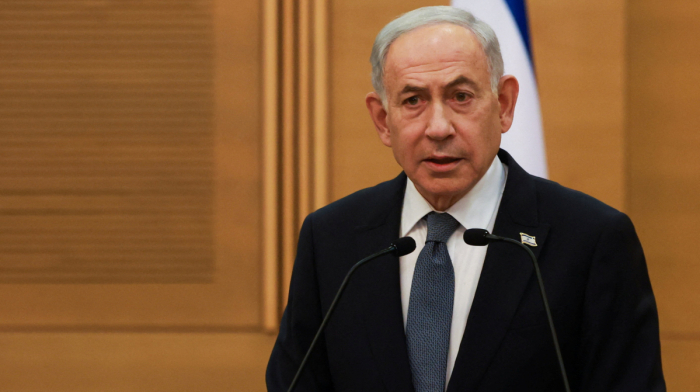
Israeli judges have recommended dropping one of the three corruption cases against Prime Minister Benjamin Netanyahu and reconsidering another, dealing a setback to prosecutors in his long-running trial.
A mural depicting missiles bearing Dutch tulips flying over Europe has appeared near the Dutch embassy in Moscow, amid a dispute between Russia and the Netherlands over Dutch-made weapons used by Ukraine.
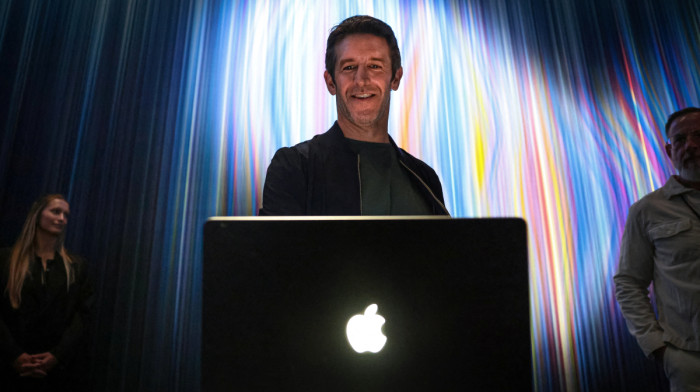
OpenAI has filed counterclaims against Apple in a California federal court, accusing the iPhone maker of stealing trade secrets and obstructing its access to hardware suppliers as competition over artificial intelligence devices intensifies.
For much of the past four years, the United States has treated advanced artificial intelligence (AI) chips as strategic assets, much like fighter jets, encryption systems or nuclear technology.
A Dutch cybersecurity organisation has revealed details of a suspected AI-driven cyberattack that exposed more than 4,000 personal email addresses, dozens of phone numbers and sensitive security information.
Huawei has been convicted on 10 of the 12 criminal counts it faced in a long-running U.S. case accusing the Chinese telecommunications company of deceiving banks about its business in Iran and stealing trade secrets from U.S. companies. A federal jury in Brooklyn reached the verdict on Tuesday.
China is leading a multinational effort to develop international standards to tackle the risks posed by generative artificial intelligence (AI), including deepfakes, manipulated data and security vulnerabilities.
You can download the AnewZ application from Play Store and the App Store.
What is your opinion on this topic?
Leave the first comment