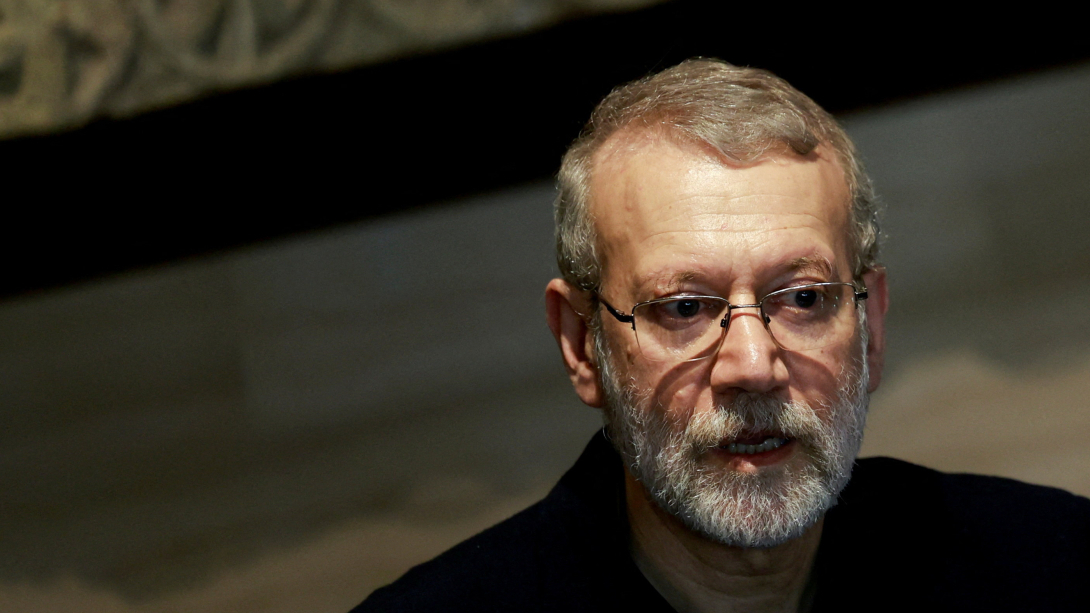
Iran has confirmed the death of its top security Chief, Ali Larijani after Israel claimed responsibility for his death. They also confirmed the killing of Basij commander Soleimani.
Iran's Supreme National Security Council which Larijani led as Secretary also confirmed that Larijani's son as well as his deputy Alireza Bayat were killed during Monday's strikes.
Tel Aviv was targeted with missiles carrying cluster warheads in what Iran calls a 'retaliation' for the killing of its security chief.
In a statement on Tuesday, Israel's Defence minister Israel Katz had said he had been briefed that both Ali Larijani, and Soleimani were killed in Monday night strikes.
At that time, Iranian state media released a handwritten message attributed to Larijani paying tribute to sailors killed in a U.S. strike, whose funeral was expected on Tuesday.
Larijani is now the most Senior Iranian figure targeted since Iran’s Supreme Leader Ali Khamenei was reportedly assassinated during the opening day of Israeli and U.S. strikes on 28 February.
The Basij force, commanded by Soleimani, is a volunteer paramilitary organisation operating under the Islamic Revolutionary Guard Corps. It has long been used by authorities in Tehran to suppress internal dissent and protests.
Israel’s Prime Minister Benjamin Netanyahu said the strikes were part of a broader campaign targeting senior figures within Iran’s leadership. His office stated that he had authorised operations aimed at the “elimination of senior officials of the Iranian regime”.
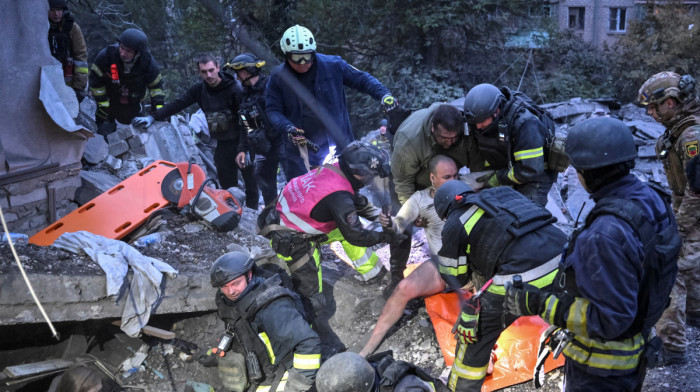
The conflict, now entering its third week, has already claimed at least 2,000 lives. There is little sign of a pause in fighting, with both sides continuing to exchange strikes.
What to know about Ali Larijani
- Ali Larijani has served as the Secretary of the Supreme National Security Council since his appointment in 2025 by President Masoud Pezeshkian.
- A close Khamenei ally, he has also been described in some quarters as an unofficial adviser to the late Ayatollah Ali Khamenei.
- Larijani served as the speaker of Iran's parliament from May 2008 to May 2020, before then he was the country's chief nuclear negotiator between 2005 and 2007.
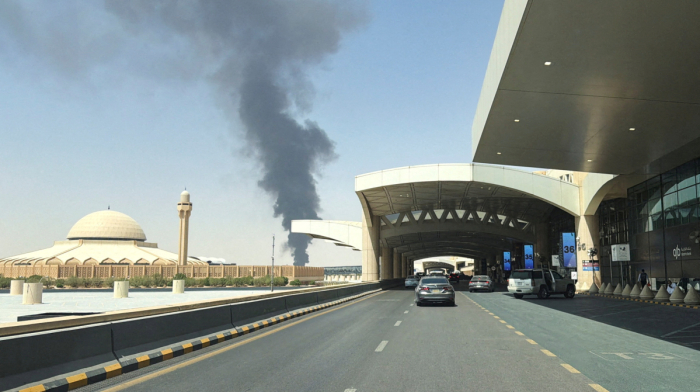
Meanwhile, Iran has kept up pressure on Gulf states, with attacks in the region contributing to rising energy prices. The situation has been made more severe by the disruption in the Strait of Hormuz, a crucial shipping route through which roughly a fifth of the world’s oil and liquefied natural gas passes. The waterway remains largely closed.
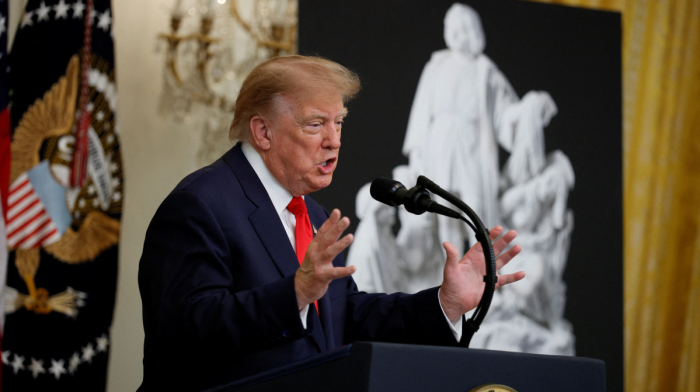
Efforts to reopen the strait have stalled. Several U.S. allies in the region have resisted calls from Donald Trump to intervene and help secure the passage.
Larijani, a former nuclear negotiator and long-time ally of Khamenei, had appeared in public just days earlier, attending Quds Day rallies in Tehran. On the same day, the United States announced rewards of up to $10 million for information on senior Iranian military and intelligence officials, including Larijani, as part of a wider list linked to the Revolutionary Guard.
Israeli media reports suggest the latest strikes were carefully targeted, focusing not only on Soleimani but also on other senior Basij figures.
With the conflict intensifying and vital trade routes under threat, concerns are growing about wider regional instability and the global economic impact.











What is your opinion on this topic?
Leave the first comment