A Chinese man, Zhang Kequn and his Kenyan associate, Charles Mwangi, have been charged by a court in Kenya for alleged involvement in illegal dealings of wildlife species.
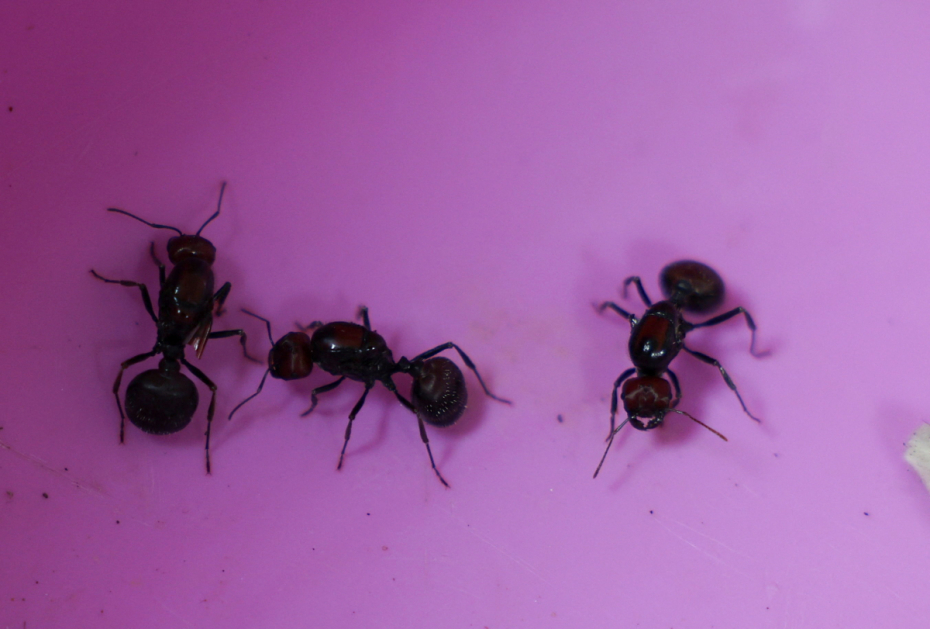
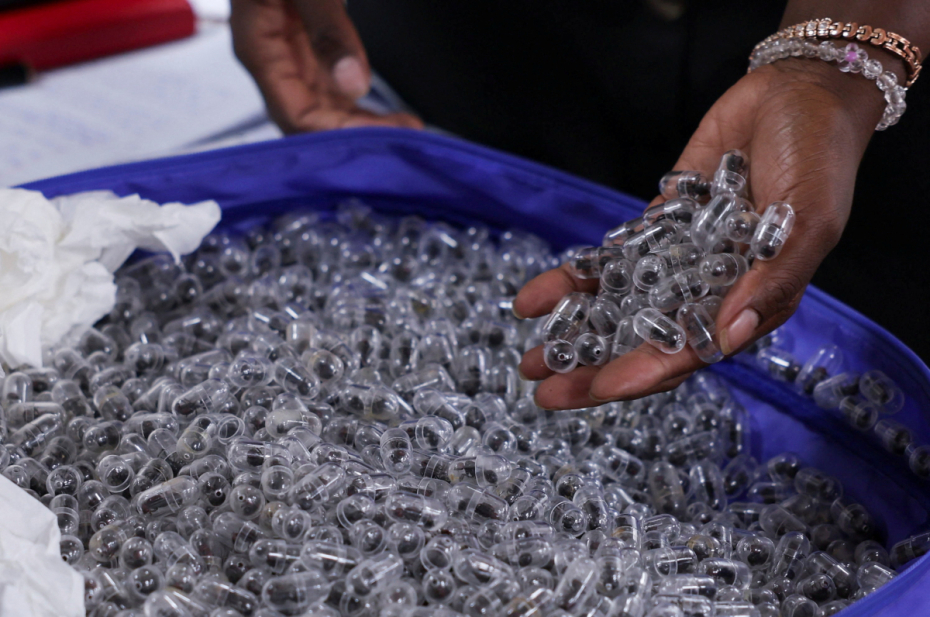
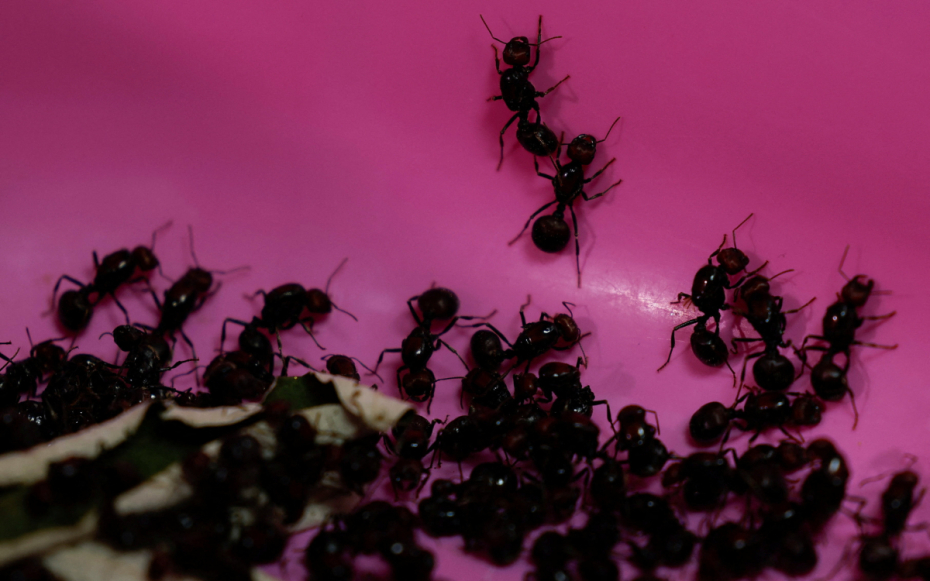
Zhang was arrested at the international airport trying to smuggle more than 2,000 live queen garden ants out of Kenya.
The court sitting on Tuesday heard that Zhang bought the 100 ants from Mwangi for 10,000 Kenyan shillings ($77; £58).
Kenyan authorities have warned about a growing demand for garden ants in Europe and Asia, where collectors keep them as pets.
The two men are being remanded to custody and are also facing an added charge of conspiring to commit a felony.
Mwangi will be facing a second count charge for illegal dealing with wildlife after he was found with more live ants on a separate occasion.
How they plead
Zhang and Mwangi have pleaded not guilty to both charges, with Zhang’s lawyer, David Lusweti, arguing that both men did not know they were breaking the law.
He said, "They have seen potential that they are able to sell outside the country; they believe that they can make a living out of it," he told the Associated Press.
Zhang and Mwangi are exepected to appear before the court again on 27 March.
Investigations are ongoing, and more arrests are expected as Kenyan authorities shift their fous to towns where illegal ant harvesting is suspected.
In May last year, a Kenyan court sentenced four men to one year in prison or a fine of $7,700 (£5,800) for trying to smuggle thousands of live queen ants out of the country. The insects were reportedly destined for collectors in Europe and Asia.
Risk of smuggling wildlife?
Illegal wildlife trade is a criminalised in most countries especially as it carries risk of invasive species bringing disease and upsetting the habitat and ecosystem when introduced to a new environment.
States in the U.S., like Hawaii, have spent $10 million (£7.5 million) on invasive species control measures and $2.4 million of this budget is set aside specifically for coconut rhinoceros beetles.
The coconut rhinoceros beetle is native to tropical Asia, including countries like Malaysia, Indonesia and Thailand.



























What is your opinion on this topic?
Leave the first comment