Uzbekistan, Azerbaijan target $1 billion in trade by 2030
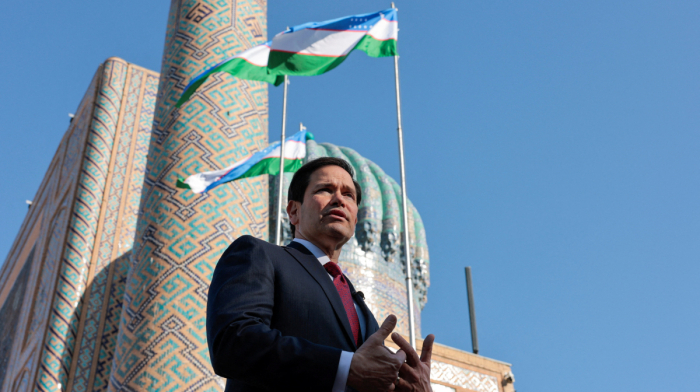
Uzbekistan and Azerbaijan are drawing up a new programme aimed at boosting bilateral trade to $1 billion by 2030, as the two countries move to deep...
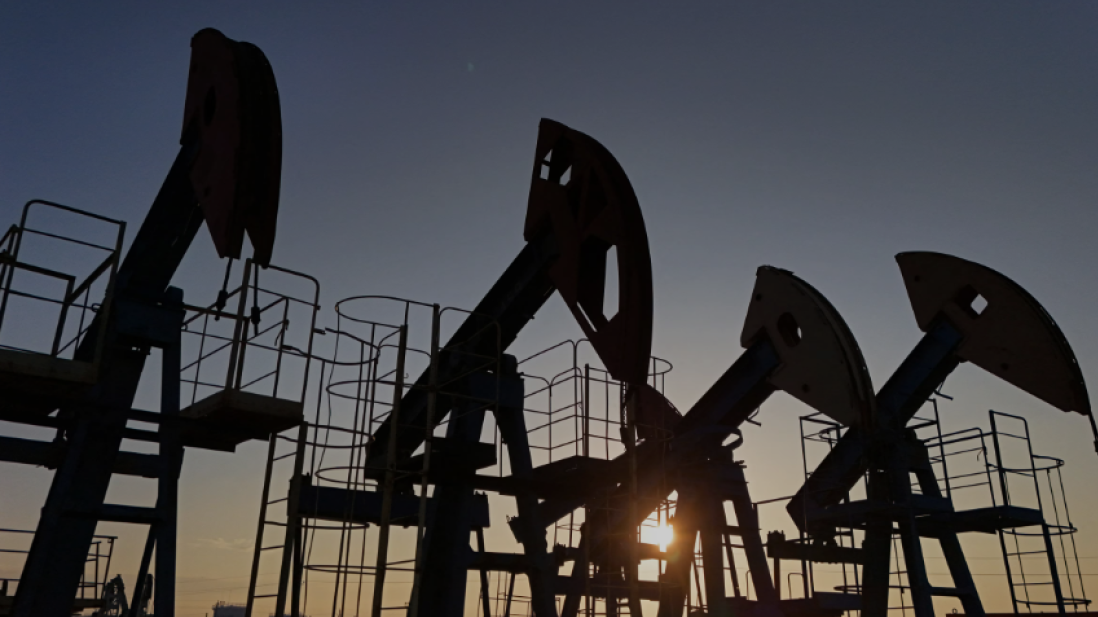
Oil prices plunged more than 12% last week, ending a three-week rally, with experts expecting them to stabilize around $60 if the fragile ceasefire between Israel and Iran holds.
Brent crude prices surged to $77.81 per barrel on 23 June after U.S. strikes on Iranian nuclear sites but then fell sharply by 8.5% to $69.48 following Iran’s limited retaliation.
The decline sped up after ceasefire reports between Iran and Israel eased concerns over oil flow through the Strait of Hormuz. Brent closed the week at $66.33, marking its largest weekly drop since March 2023.
Looking ahead, analysts believe prices will hover near $60 as geopolitical risks fade and supply-demand fundamentals reassert themselves.
The OPEC+ meeting on 6 July will be key, as production decisions could push prices down to the mid-$60s if supply is increased.
Experts say U.S. efforts to lower oil prices face challenges from strong summer demand and OPEC+’s supply control.

The collective-defence agreement between Türkiye, Saudi Arabia and Pakistan signals that regional powers no longer want to rely solely on external security guarantees. Whether it becomes a stabilising deterrent or another axis of rivalry remains unresolved.
Shipping through the Strait of Hormuz has slowed, according to the latest data, as uncertainty over the waterway’s reopening kept most shipowners away. Six commodity vessels crossed the strait on Tuesday, down from nine the day before and below the 10-day daily average of 11.
Shipping traffic through the Strait of Hormuz remains limited on Thursday, with no increase in vessel crossings as U.S.-Iran talks to resolve the conflict remained stalled. Nine commodity vessels transited the key waterway on Wednesday, unchanged from the previous day, according to Kpler data.
Iran has said the Strait of Hormuz will remain closed until the U.S. fulfils the terms of an interim deal, including lifting the maritime blockade and sanctions and releasing Iran’s frozen assets.
Start your day informed with AnewZ Morning Brief. Here are the top news stories for the 19th of August, covering the latest developments.
Once associated mainly with Muslim-majority countries, Islamic finance has become a global industry. Its assets reached around $5.98 trillion in 2025, according to ICD–LSEG, as more countries explore Shariah-compliant finance.
Fuel restrictions have returned to parts of Moscow and the surrounding region, adding another strain to Russia’s economy as refinery outages and rising imports weigh on the rouble.
Azerbaijan exported goods worth $17.372 million to Armenia between January and July 2026, according to data from the State Customs Committee, as commercial ties between the two South Caucasus neighbours showed signs of expansion.
Online fast-fashion platform Shein lost a London copyright lawsuit against rival Temu on Thursday over photographs used to promote some products.
Norway’s $2.3 trillion sovereign wealth fund has revealed a 0.05 per cent stake in SpaceX worth $1.22 billion, marking its first reported holding in Elon Musk’s space company.
You can download the AnewZ application from Play Store and the App Store.
What is your opinion on this topic?
Leave the first comment