Uzbekistan plans joint customs checks with Kazakhstan and Kyrgyzstan
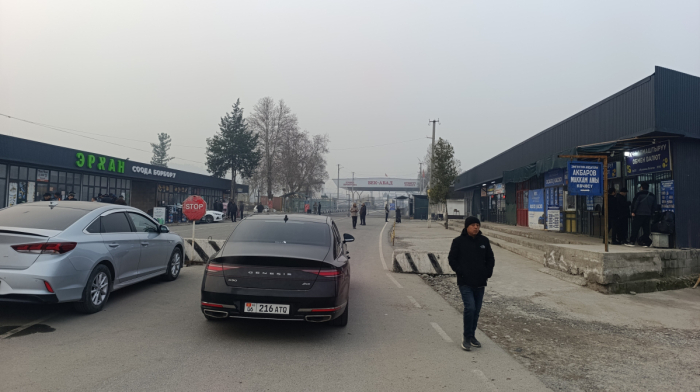
Uzbekistan is in talks with Kazakhstan and Kyrgyzstan over a joint customs system aimed at cutting border delays and speeding up freight transport....
The head of the Russian-led Collective Security Treaty Organization (CSTO) says Armenia has effectively withdrawn from the military alliance, despite not formally ending its membership.
CSTO Secretary General Taalatbek Masadykov said Armenia no longer participates in the bloc’s discussions, activities or military exercises, and has stopped appointing personnel to positions allocated to it.
He also noted that Yerevan has not paid its membership fees since 2024.
Armenia froze its participation in CSTO in February 2024, citing what it described as the alliance’s failure to meet its security obligations during clashes with Azerbaijan in 2021 and 2022.
Russian Foreign Minister Sergey Lavrov warned in June that Yerevan could face measures under the CSTO charter for failing to pay its membership fees.
Under the charter, members that fall two years behind on payments risk losing their voting rights and the ability to nominate staff to allocated positions. The charter also allows members to be expelled for violations, with the decision taken without the country concerned.
Armenian Prime Minister Nikol Pashinyan said in August that he would welcome expulsion from the CSTO, arguing that it would remove the need for his government to decide whether to withdraw.
He told Armenia’s parliament that the country had no plans to resume participation in the alliance over the next five years, while the government’s 2026–2031 programme makes no mention of the bloc.
“I know that there are discussions in the CSTO and that they may expel our country from the organisation. I would be very happy if the organisation decided to expel Armenia from the CSTO,” he said.
“It would free us from the dilemma of whether or not to withdraw,” Pashinyan was quoted as saying by Armenia’s state news agency Armenpress.
Despite Armenia’s prolonged absence, Masadykov has previously urged caution over the possibility of expelling the country.
“Let’s not rush,” he was quoted as saying by Russian state news agency TASS in August.
The CSTO’s Collective Security Council is scheduled to meet in Moscow in November, although Masadykov said it remained unclear whether Armenia’s membership would be a major topic of discussion.
Established in 2002 following a 1992 security treaty between former Soviet states, the Russian-led CSTO comprises six members: Russia, Belarus, Kazakhstan, Kyrgyzstan, Tajikistan and Armenia.
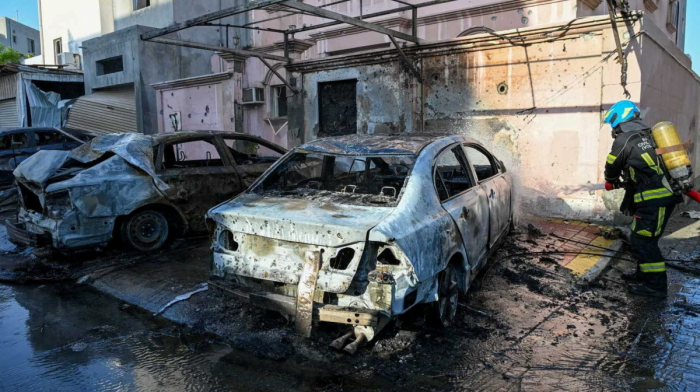
Saudi Arabia said it intercepted two Houthi ballistic missiles targeting Riyadh and three drones in its oil-rich Eastern Province on Sunday (15 November), as Iran's Revolutionary Guards claimed separate attacks on a U.S. military facility in Bahrain.
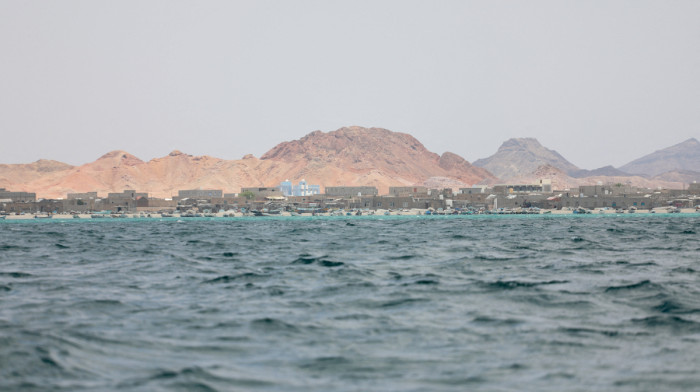
Yemeni forces fighting for the internationally recognised Saudi-backed government said on Sunday that they were withdrawing from an area overlooking the strategic Bab el-Mandeb Strait, leaving the Iran-aligned Houthis in control.
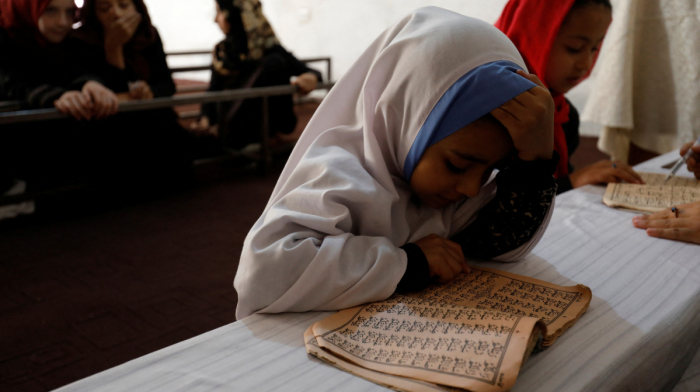
Afghanistan’s Ministry of Education has challenged a United Nations report on access to education, saying its findings do not reflect the full picture of the country’s education system.
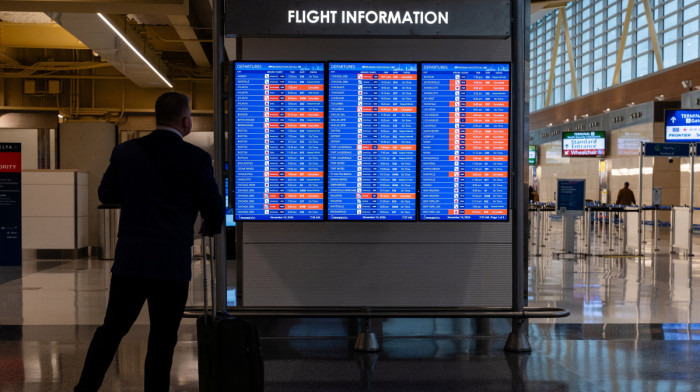
U.S. air travel is not expected to return to normal schedules until late on Sunday (15 November), the head of the FAA said, as the aviation system gradually recovers from a nationwide flight shutdown that officials blamed on routine maintenance gone awry.
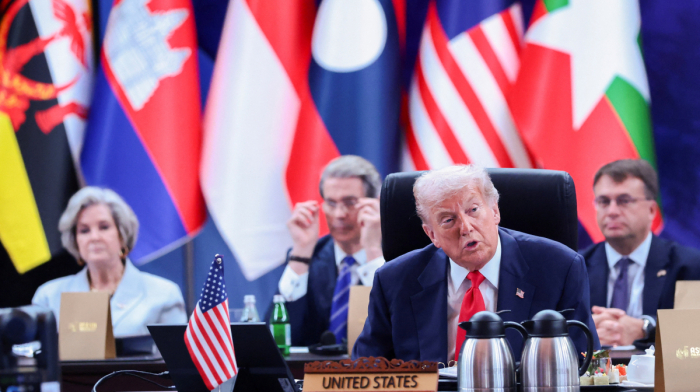
U.S. President Donald Trump is expected to arrive in Manila on Tuesday, 17 November, for a special summit with Southeast Asian leaders, as Washington seeks to strengthen regional economic and security ties amid trade tensions and growing competition with China.
Uzbekistan is in talks with Kazakhstan and Kyrgyzstan over a joint customs system aimed at cutting border delays and speeding up freight transport. The proposed ‘One Stop’ system would eliminate duplicate inspections and simplify procedures at selected crossings.
Bahrain has sentenced dozens of people, most of them Shia Muslim clerics, to life in prison over an alleged plot involving Iran’s Revolutionary Guards to overthrow the government, as rights groups raise concerns about torture and coerced confessions.
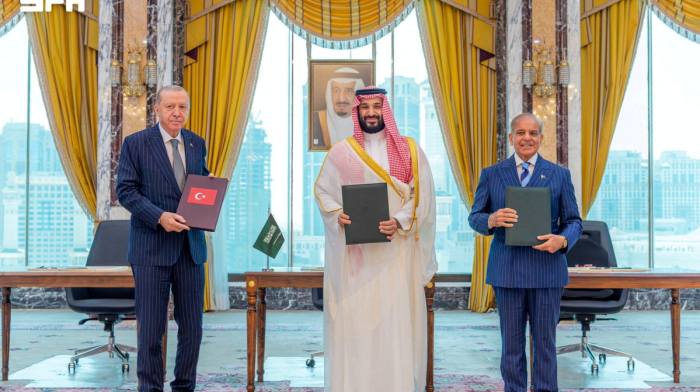
Türkiye has brought a trilateral defence pact with Pakistan and Saudi Arabia into force and signed a separate agreement with Qatar, as Ankara moves to strengthen its regional security partnerships.
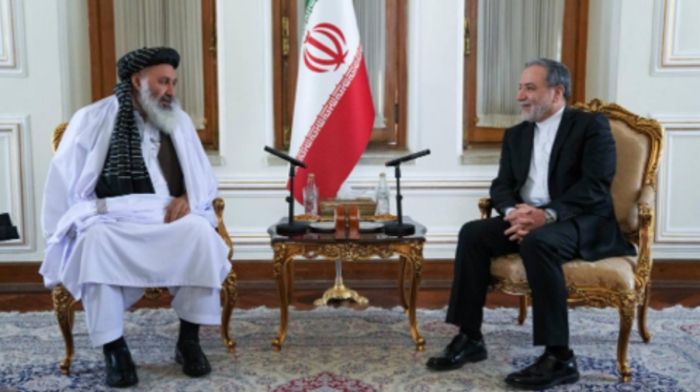
Afghanistan and Iran agreed to expand border facilities and operate customs around the clock during talks in Tehran on Sunday (15 November) between Afghan Finance Minister Mohammad Nasir Akhund and Iranian Foreign Minister Abbas Araghchi, as both countries seek to increase trade.
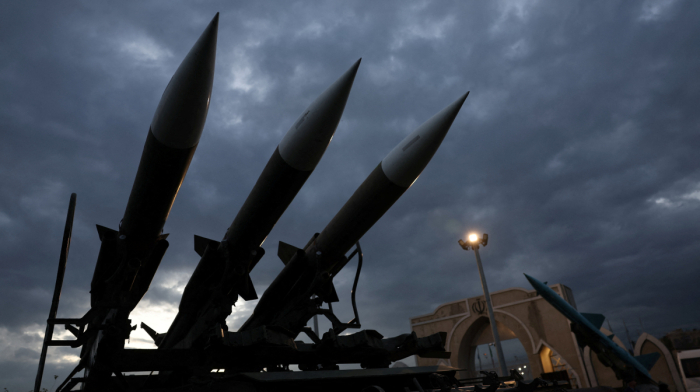
Gulf air defences have intercepted thousands of missiles and drones, but dwindling interceptor stocks are raising questions about how long that protection can last. New military agreements and closer regional cooperation could help, but significant gaps remain.
You can download the AnewZ application from Play Store and the App Store.
What is your opinion on this topic?
Leave the first comment