



18:20 CET
Gaza war
Israeli strike kills five in Gaza, including four women, health officials say
An Israeli air...


Israel's decision to recognise the so-called Armenian genocide has triggered diplomatic tensions with Azerbaijan, one of its closest strategic partners.
The move, announced by Israeli Foreign Minister Gideon Sa'ar and expected to be submitted to the Knesset for approval, has raised concerns about the future of a relationship that has long been central to regional security and energy cooperation.
The decision has drawn a sharp reaction from Baku, where officials view the move as crossing a political red line.
According to reports, Sa'ar informed his Azerbaijani counterpart only after the decision had been made public, leaving little room for prior diplomatic consultation.
Murad Tahmazov, co-founder and deputy director of the Crescent Research Center (CRESCENT), said the decision carries implications beyond historical recognition.
"From Azerbaijan's perspective, Israel's recognition of the Armenian genocide is not simply a symbolic issue. It carries broader political implications and has increased concern," Tahmazov said.
He added that if Azerbaijan were ever forced to choose between its strategic partnership with Israel and its alliance with Türkiye, Baku would stand with Ankara. However, he stressed that Azerbaijan hopes such a choice will not become necessary and that it can preserve strong ties with both countries.
The announcement has also prompted an unexpected response from Armenia.
Prime Minister Nikol Pashinyan criticised Israel's decision, describing it as cynical and contradictory.
The move comes as Armenia and Azerbaijan continue negotiations aimed at reaching a comprehensive peace agreement following decades of conflict.
Analysts have also suggested the decision could indirectly benefit Russia and Iran, both of which have expressed concern over the growing strategic relationship between Azerbaijan and Israel.
For Türkiye, observers say the announcement is unlikely to have significant practical consequences.
The issue has diminished in political importance following similar recognition by the U.S., reducing the likelihood of a major shift in Ankara's policy.
Some analysts believe the timing of Israel's decision, ahead of parliamentary elections expected later this year, points to domestic political calculations rather than foreign policy objectives.
While the recognition may resonate with parts of the Israeli electorate, critics argue it offers few tangible diplomatic benefits and risks damaging relations with Azerbaijan.
It also risks undermining Israel's broader strategic interests in the South Caucasus.

An Israeli air...
The co-...

A major bridge across the Dnipro river in Kyiv was hit in a Russian air attack on Saturday, the city's mayor, Vitali Klitschko said, as strikes...

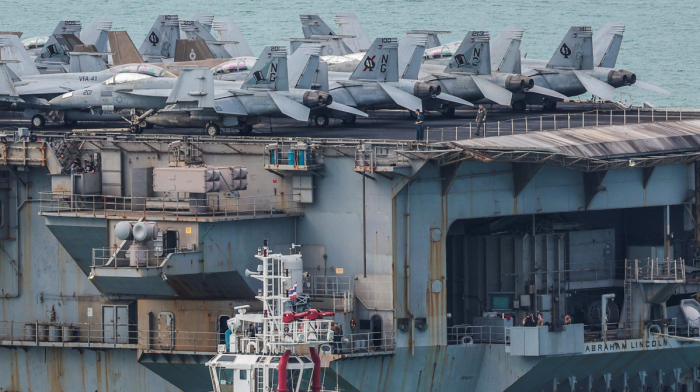
Yemen's air force carried out 20 strikes on Houthi targets earlier on Friday, Brigadier General Majid Abdullah Al-Nuzaili, Spokesman for the Yemeni Armed Forces, said. Meanwhile, the Iran-backed Houthis denied targeting a power plant supplying energy to a mosque in Medina, Saudi Arabia.
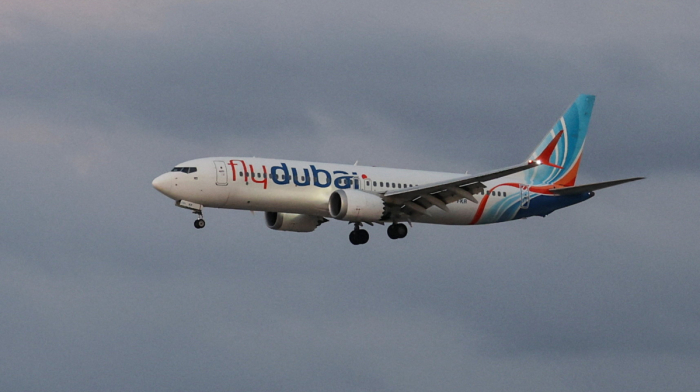
Hammam al-Hammami, the Flydubai co-pilot accused of stabbing the captain of an Israel-bound flight on Wednesday in a suspected terrorist attack, was banned from flying by Oman over concerns about his radical views, U.S. media reported on Friday, citing people familiar with the matter.

Azerbaijan and Armenia will sign a final peace agreement once Armenia amends its constitution to remove territorial claims against Azerbaijan, Hikmat Hajiyev, Assistant to Azerbaijan’s President Ilham Aliyev, has said.
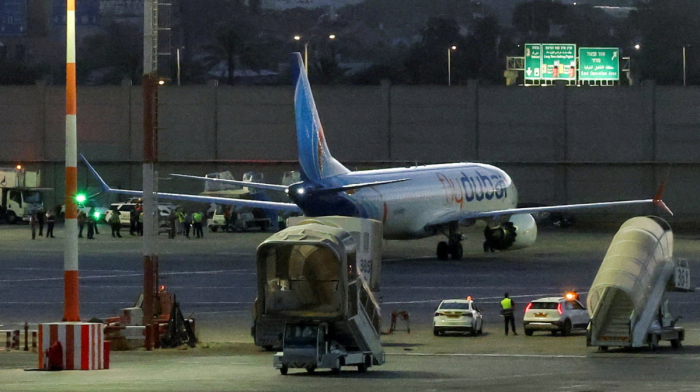
The co-pilot of Israel bound flydubai flight attempted to carry out a “terrorist attack” with an axe during the flight, the United Arab Emirates prosecutor general said on Saturday.
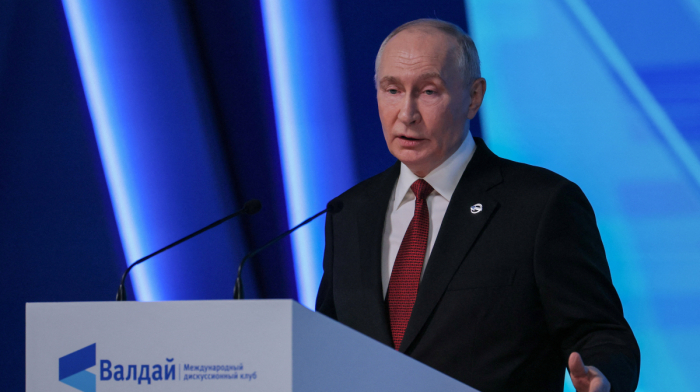
Russian President Vladimir Putin said on Thursday that Moscow wanted to end the war in Ukraine through negotiations as soon as possible, while insisting that any settlement must meet conditions acceptable to Russia and include security guarantees.
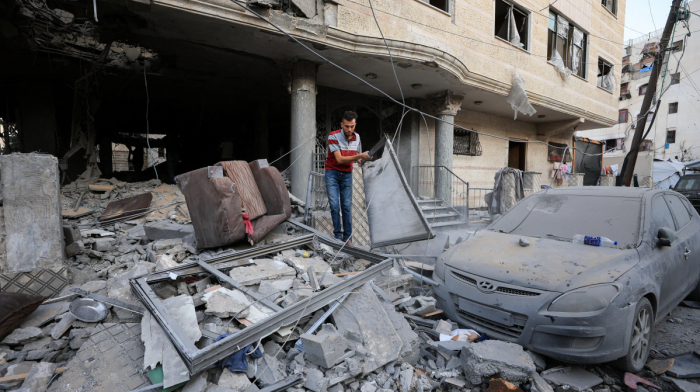
An Israeli airstrike killed at least five Palestinians, including four women, in an apartment building in Gaza City early on Saturday 3 October, health and civil defence service officials said.
The co-pilot of Israel bound flydubai flight attempted to carry out a “terrorist attack” with an axe during the flight, the United Arab Emirates prosecutor general said on Saturday.
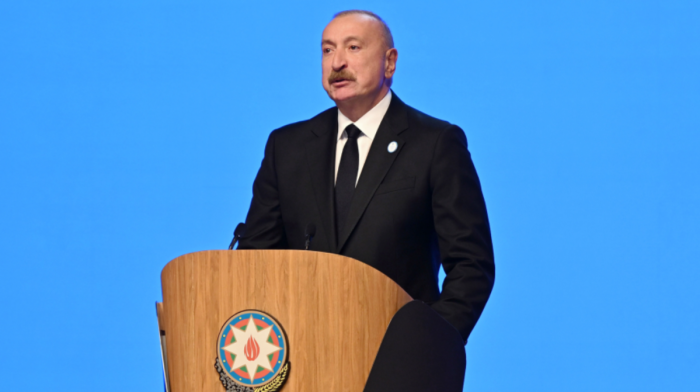
Azerbaijan’s President Ilham Aliyev warned against interference from outside actors in remarks at the 8th Congress of the New Azerbaijan Party in Baku on Friday 2 October.

Azerbaijan won 22 medals, including seven gold, at the Mingachevir Regatta 2026 as more than 100 young rowers from 12 countries competed in the international tournament.
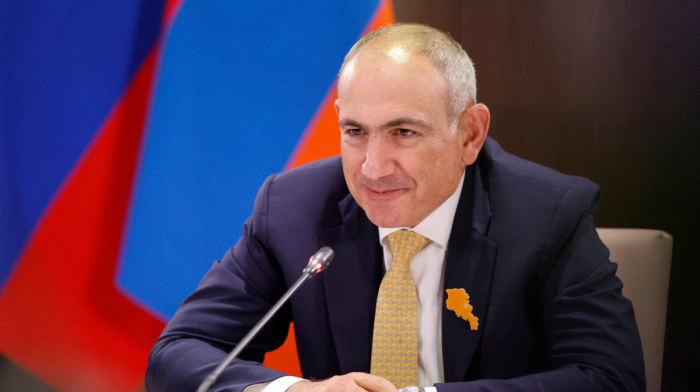
Armenian Prime Minister Nikol Pashinyan says the TRIPP project will establish a direct railway connection between Azerbaijan and Armenia and strengthen wider regional transport links.
You can download the AnewZ application from Play Store and the App Store.




What is your opinion on this topic?
Leave the first comment