Catholicos Karekin II, the head of the Armenian Apostolic Church, and six senior clerics will appear in court on 7 August for the first hearing in a criminal case. The trial comes amid deepening tensions between the Church and Prime Minister Nikol Pashinyan's government.
The preliminary hearing will take place at the Armavir Regional Court in Vagharshapat, according to defence lawyer Ara Zohrabyan.
The case also involves archbishops Natan Hovhannisyan and Haykazun Najarian, and bishops Mushegh Babayan, Hovnan Hakobyan, Makar Hakobyan and Vahan Hovhannisyan.
Case centres on bishop's reinstatement
Prosecutors accuse the clerics of failing to comply with a court order temporarily reinstating former Masyatsotn Diocese head Gevorg Saroyan, who was removed from office and defrocked by the Church over what it described as a breach of his vow of obedience.
If convicted, the defendants face up to two years in prison.
Zohrabyan said the prosecution stems from decisions taken by the Catholicos in the exercise of the Church's internal authority and argued that the case constitutes unconstitutional state interference in the affairs of the Armenian Apostolic Church.
Church-government tensions
The trial comes amid a broader confrontation between the government and the Church.
Pashinyan has repeatedly called for Karekin II's resignation and accused the Church of serving foreign interests - allegations the Church denies.
Relations between the two sides have deteriorated since the 2020 conflict with Azerbaijan and subsequent peace negotiations, with senior clergy emerging as vocal critics of the prime minister.
Opposition politicians and rights advocates have described the case as politically motivated, while Armenian authorities have rejected such claims.
Expert overlook
Speaking to AnewZ, George Mchedlishvili, Associate Professor at European University, said the case reflects broader political and geopolitical tensions rather than a purely legal dispute.
He argued that the Armenian Apostolic Church has become one of the strongest domestic opponents of Prime Minister Nikol Pashinyan's efforts to normalise relations with Azerbaijan and Türkiye.
According to Mchedlishvili, Pashinyan is seeking to reduce Armenia's dependence on Russia by improving ties with neighbouring countries, while forces aligned with the Church are attempting to slow or block that shift.
He said the dispute should therefore be viewed in the broader context of Armenia's competing foreign policy orientations rather than solely as a disagreement between the government and the Church.
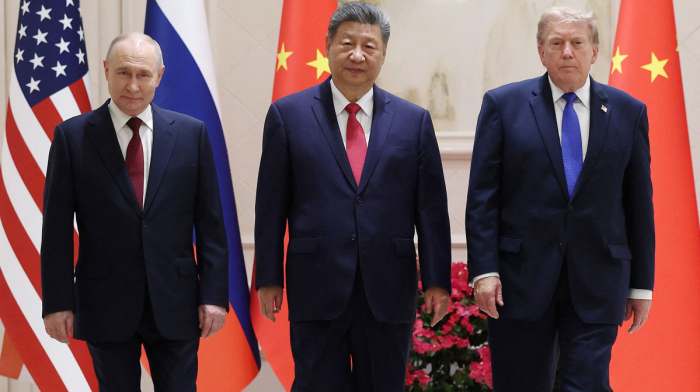
U.S. President Donald Trump, China's Xi Jinping and Russia's Vladimir Putin have issued a joint “declaration of peace” following historic talks in southern China, but stopped short of committing to nuclear arms reductions or addressing the war in Ukraine in their joint statement.
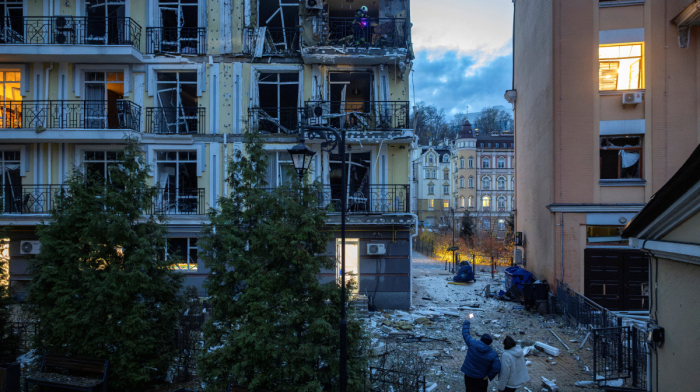
Three people have been killed and around 15 injured after Russian ballistic missiles struck three bridges over the Dnipro River in Kyiv, according to the Ukrainian capital’s mayor, Vitali Klitschko.
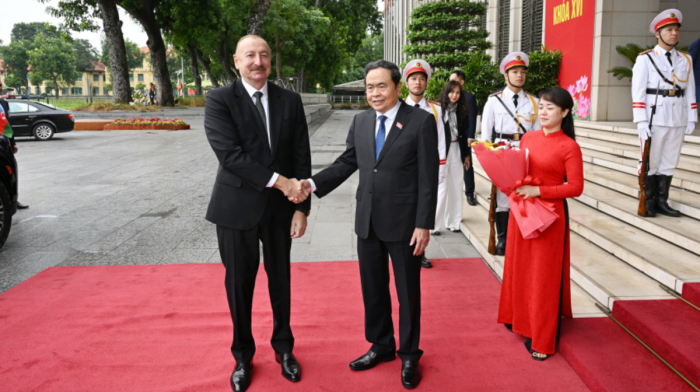
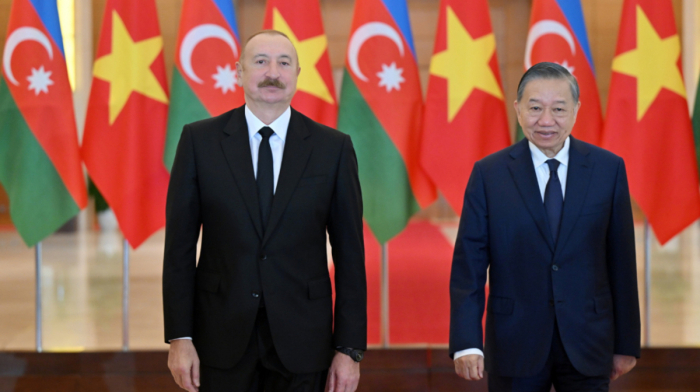
Azerbaijani President Ilham Aliyev met Vietnamese Prime Minister Le Minh Hung in Hanoi on 20 November, during a visit highlighting the longstanding friendship and growing strategic partnership between the two countries.
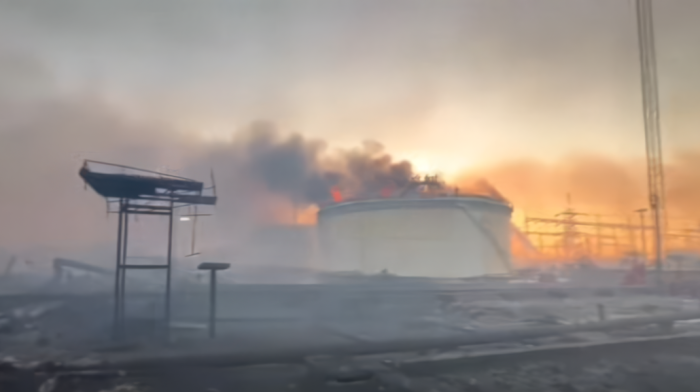
At least four people have been killed and 30 injured in a fire at a power station in the southern Iraqi city of Basra. The death toll from the blaze on Saturday (21 November) is expected to rise, security officials said.
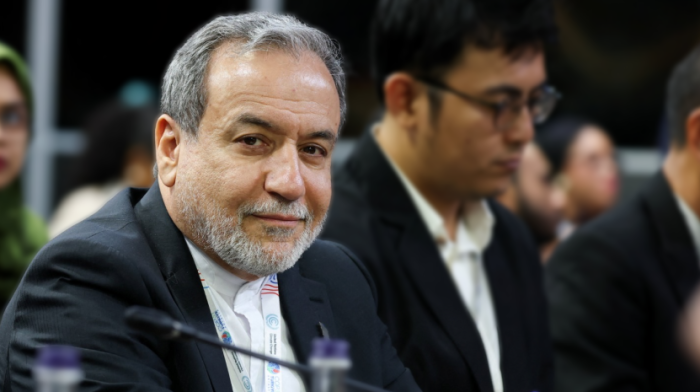
Iran's Foreign Minister, Abbas Araghchi has said Tehran still hopes to end its war with the U.S. through diplomacy. It comes after U.S. President Donald Trump said the deal Iran wanted was not one he could accept.
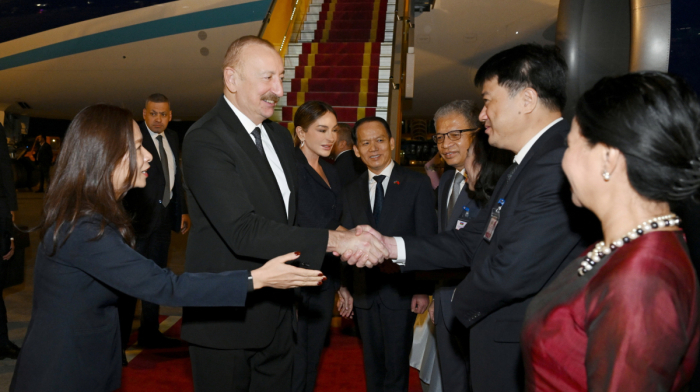
Azerbaijan and Vietnam have strengthened bilateral ties, with Presidents Ilham Aliyev and To Lam adopting a joint statement in Hanoi and overseeing the exchange of agreements on emergency services, administrative cooperation and renewable energy.
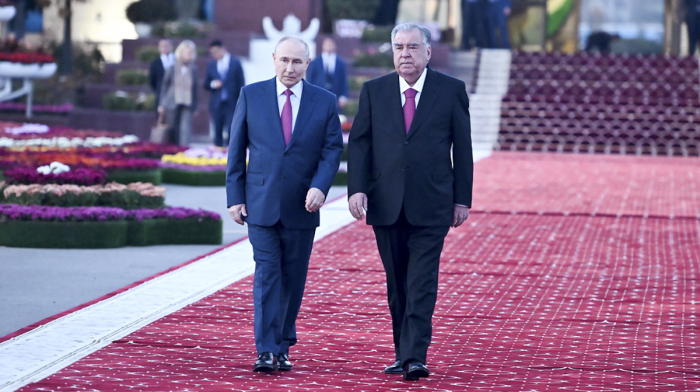
Tajik President Emomali Rahmon and Russian President Vladimir Putin held talks in Dushanbe on 20 November, focusing on labour migration, security along Tajikistan’s border with Afghanistan and the future of Russia’s military presence in the country.
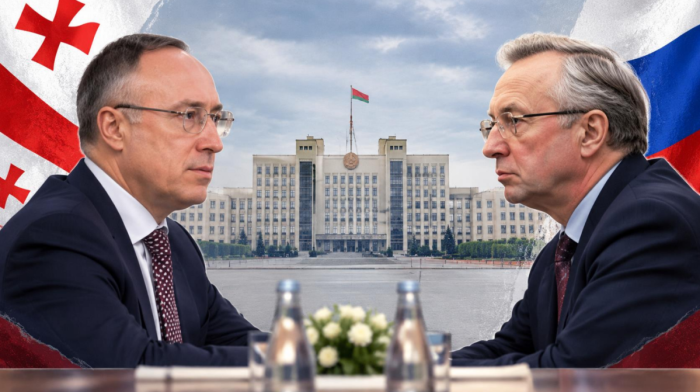
Georgia and Russia have resumed direct official talks, with senior diplomats meeting in Minsk on 19 November to discuss trade, economic cooperation and regional security, despite longstanding tensions between the two countries.
Download the AnewZ app
You can download the AnewZ application from Play Store and the App Store.






What is your opinion on this topic?
Leave the first comment